
Aspitates
Treitschke, 1825
straw belle, yellow belle
Species Guides
3Aspitates is a of in the Geometridae, first described by Treitschke in 1825. The genus includes approximately ten recognized distributed across Eurasia and North America. Notable species include Aspitates gilvaria (straw belle) and Aspitates ochrearia (yellow belle), which are referenced by in English. The genus belongs to the Ennominae within the diverse geometrid moth radiation.
Pronunciation
How to pronounce Aspitates: /ˈæspəˌteɪtiːz/
These audio files are automatically generated. While they are not always 100% accurate, they are a good starting point.
Identification
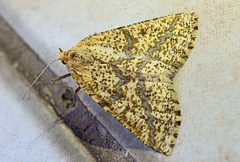
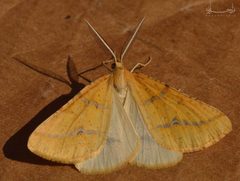
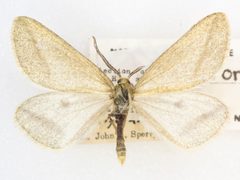
Aspitates can be recognized within Geometridae by their relatively broad wings and pale coloration, ranging from straw-yellow to ochre and whitish tones. The includes species with both banded and relatively uniform wing patterns. Species-level identification requires examination of genitalia characters and subtle differences in wing markings; A. gilvaria and A. ochrearia are particularly similar and historically have been confused.
Images
Habitat
in this occupy open including grasslands, coastal dunes, heathlands, and sandy or calcareous soils. Several species show preference for dry, nutrient-poor environments with sparse vegetation.
Distribution
Native to the Palearctic and Nearctic regions. Documented from Europe (including Denmark and Sweden), across Eurasia to Central Asia, and in western North America. Distribution records are sparse for many .
Similar Taxa
- PerizomaSimilar pale geometrid moths with banded wings; Aspitates generally have broader wings and less contrasting transverse lines.
- LomographaWhite or pale geometrids with similar resting posture; Aspitates are typically larger with more rounded wing apices.
More Details
Nomenclatural note
The 'straw belle' and 'yellow belle' have been applied historically to European in this , particularly A. gilvaria and A. ochrearia, though usage has been inconsistent in older literature.