
Aspitates aberrata
(Edwards, 1884)
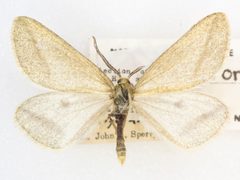
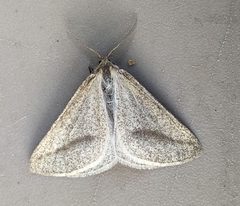
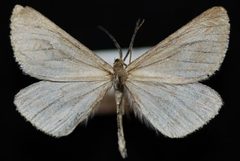
Aspitates aberrata is a geometrid first described by Henry Edwards in 1884. It is distributed across the northern Great Plains of North America, from Minnesota through Manitoba to Alberta and British Columbia. The inhabits open aspen parklands and low-elevation grasslands. are active from mid-May to mid-July with a single .
Pronunciation
How to pronounce Aspitates aberrata: //ˈæspɪˌteɪtiːz æbəˈreɪtə//
These audio files are automatically generated. While they are not always 100% accurate, they are a good starting point.
Identification
The can be distinguished from similar North American geometrids by its restricted distribution in aspen parkland and grassland of the northern Great Plains, combined with its specific period from mid-May to mid-July. The two recognized (A. a. aberrata and A. a. assiniboiarus) show geographic partitioning, with the latter occurring in eastern Alberta, Saskatchewan, and Manitoba.
Images
Appearance
Wingspan 27–36 mm. As a member of Aspitates, likely exhibit cryptic coloration typical of the genus, though specific pattern details are not documented in available sources.
Habitat
Open aspen parklands and low-elevation grasslands.
Distribution
North America: northern Minnesota; southern Manitoba; western Alberta; Peace River area of British Columbia.
Seasonality
on wing mid-May to mid-July. One per year.
Life Cycle
(one per year). Larval stages and details are not documented.
Similar Taxa
- Other Aspitates species in the Aspitates share similar and preferences; geographic range and timing help distinguish A. aberrata.
More Details
Subspecies
Two recognized: Aspitates aberrata aberrata (Alberta) and Aspitates aberrata assiniboiarus Munroe, 1963 (eastern Alberta, Saskatchewan, Manitoba).