
Theisoa
Chambers, 1874
Species Guides
3- Theisoa constrictella(Constricted Twirler)
- Theisoa multifasciella
- Theisoa pallidochrella
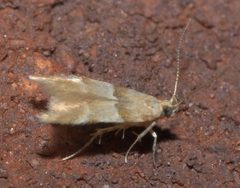
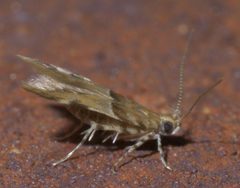
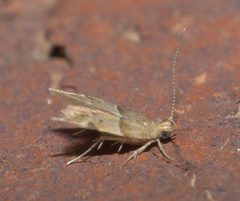
Theisoa is a of small in the Gelechiidae, first described by Chambers in 1874. It belongs to the Aristoteliinae, a group of gelechiid moths characterized by relatively narrow wings and often subtle patterning. within this genus are part of the diverse microlepidoptera fauna of North America, with records from the northeastern United States including Vermont.
Pronunciation
How to pronounce Theisoa: /ðiːˈsoʊə/
These audio files are automatically generated. While they are not always 100% accurate, they are a good starting point.
Identification
Members of Theisoa can be distinguished from other Aristoteliinae by genitalia , particularly male valvae and female signa structures. External features such as wing pattern and venation require expert examination and comparison with . The genus is not readily separable from some related gelechiid genera based on superficial characteristics alone.
Images
Distribution
Recorded from the northeastern United States, specifically Vermont. The likely has a broader distribution in eastern North America based on the range of related Aristoteliinae, but confirmed records are sparse.
Similar Taxa
- AristoteliaShares Aristoteliinae and similar external ; distinguished by genitalia features and subtle differences in wing pattern elements
- GelechiaBelongs to same Gelechiidae but different ; generally larger with more contrasting wing patterns and different genitalia structure
More Details
Taxonomic note
The Theisoa was established by Chambers in 1874 but remains poorly studied. Many originally described in this genus have been transferred to other genera, and the current circumscription requires revision based on modern morphological and molecular data.
Etymology
The name Theisoa derives from Greek mythology, where Theisoa was a nymph. This follows a common pattern in early American lepidopterology of using classical names for microlepidoptera genera.