Metzneria lappella
(Linnaeus, 1758)
Burdock Seedhead Moth, Burdock Seed Moth
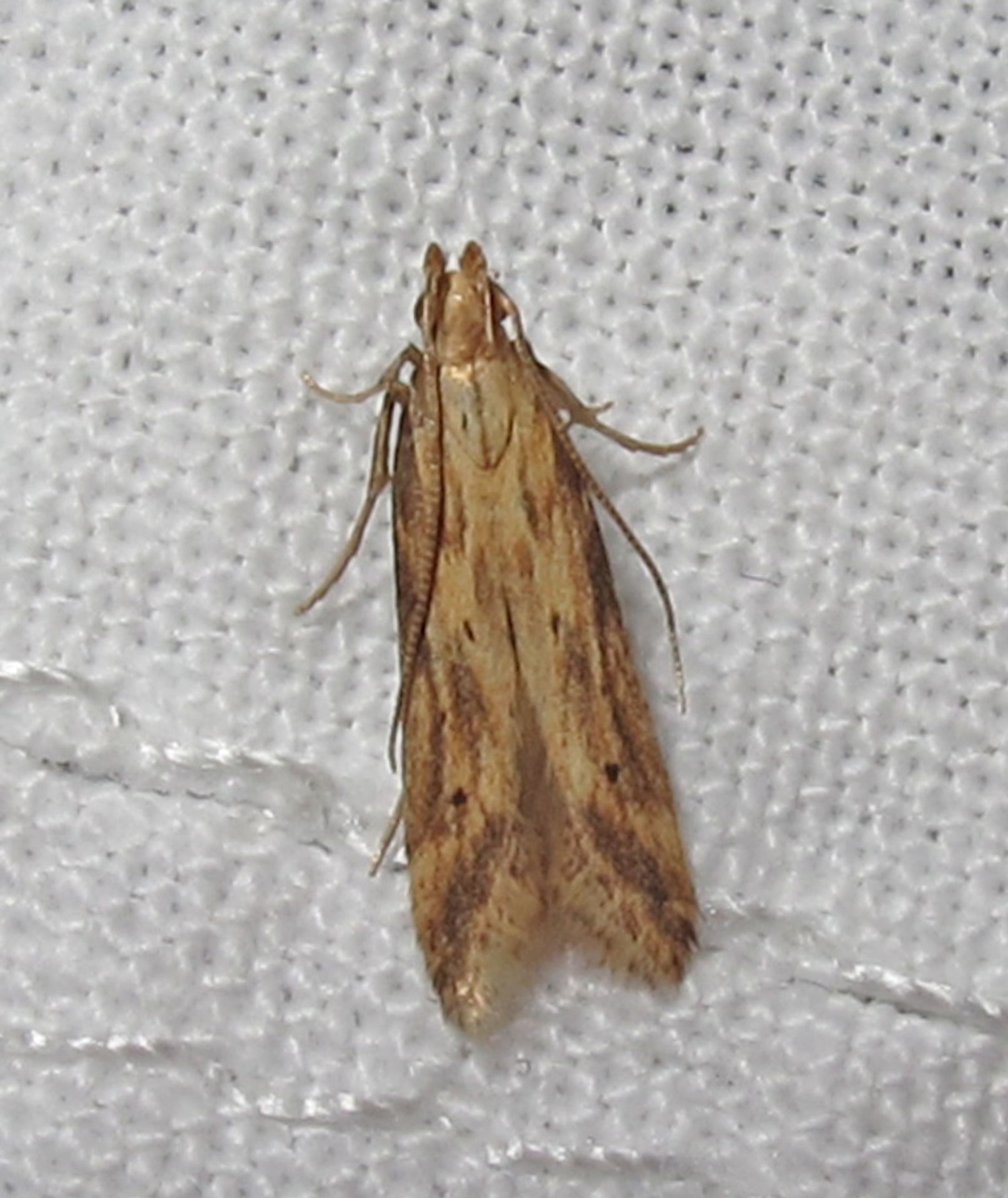
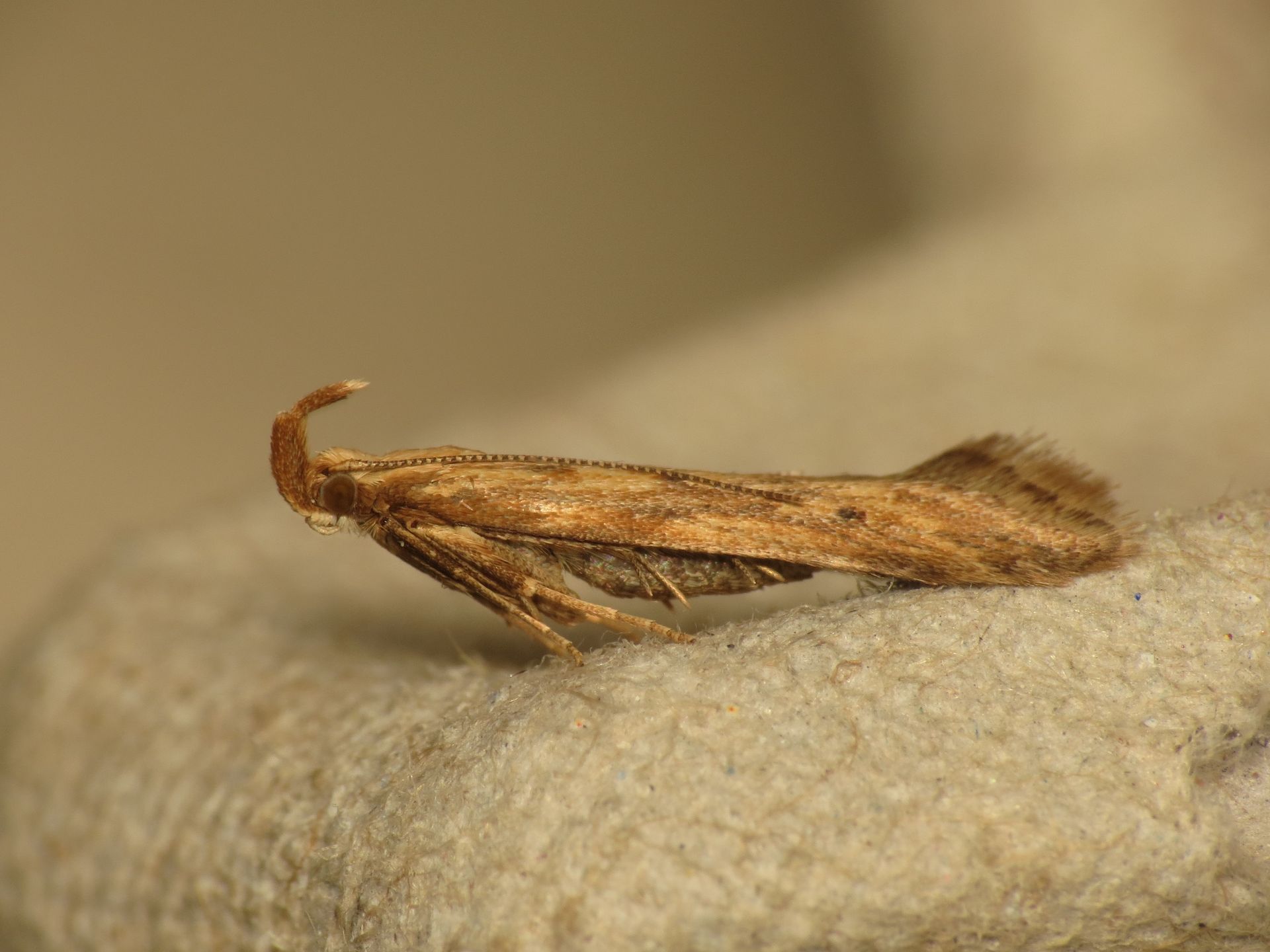
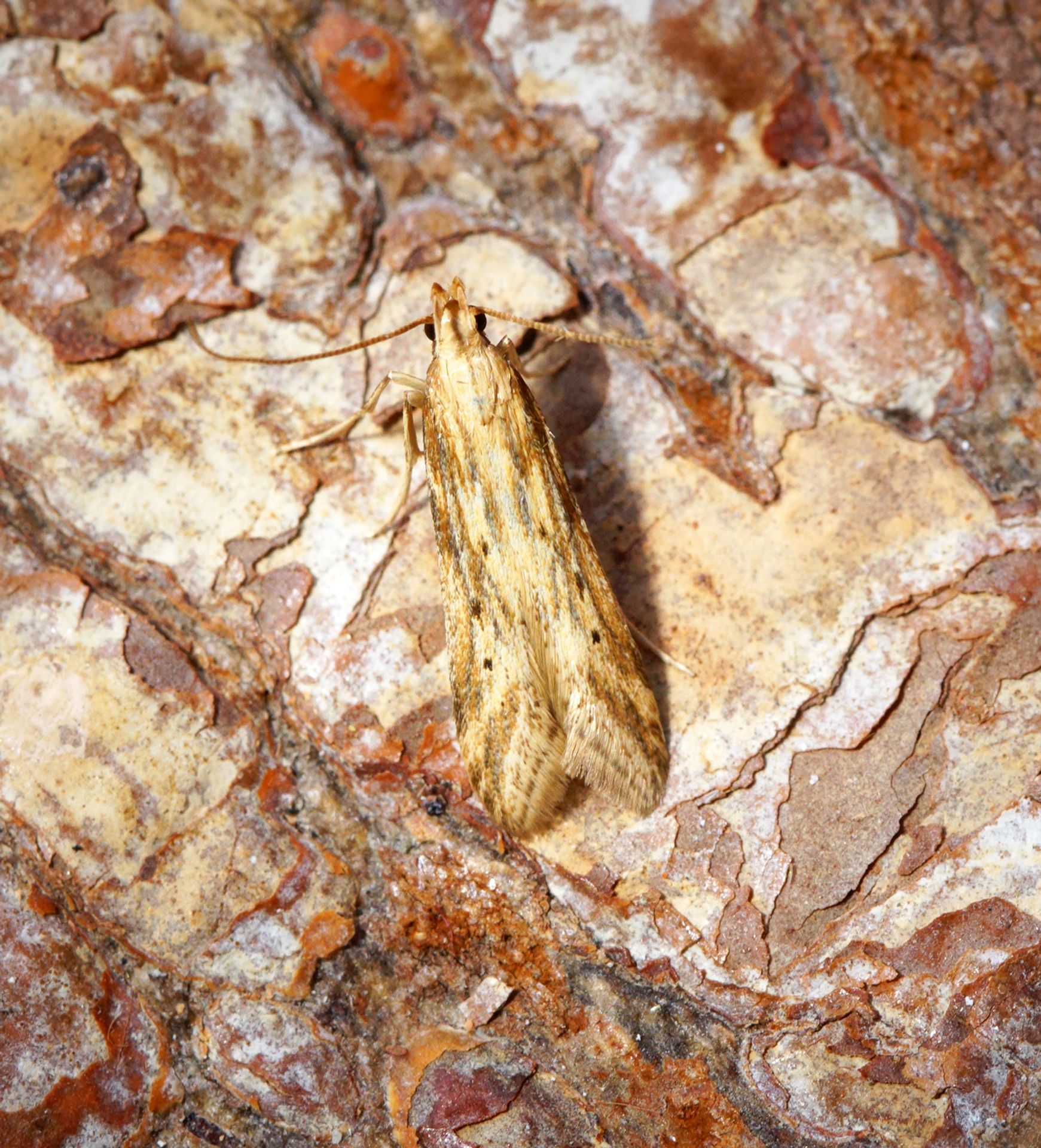
A small gelechiid with a wingspan of 13–19 mm, native to the Palaearctic region and introduced to North America. It is , with active in late spring and summer. The is tightly associated with burdock plants (Arctium), where larvae feed on developing seeds.
Pronunciation
How to pronounce Metzneria lappella: //mɛtsˈnɛr.i.ə læpˈpɛl.ə//
These audio files are automatically generated. While they are not always 100% accurate, they are a good starting point.
Identification
Small size (13–19 mm wingspan) and association with burdock seedheads are key indicators. Precise diagnostic features for distinguishing from not specified in available sources.
Images
Habitat
Fields, roadsides, and waste places where burdock (Arctium) grows.
Distribution
Native to most of Europe and widely distributed throughout the Palaearctic region, north to the Arctic Circle. Introduced to North America: from Maine and Quebec south to Florida, west to Ontario and Missouri. Established in eastern North Dakota.
Seasonality
on wing June–July in northern North America and England; April–August in southern North America. One per year.
Diet
Larvae feed on developing seeds of Arctium , including Arctium lappa and Arctium minus. diet not specified.
Host Associations
- Arctium lappa - larval developing seeds
- Arctium minus - larval developing seeds
- Arctium - larval -level association
Life Cycle
(one per year). Larval development occurs within burdock seedheads.
Ecological Role
Herbivore specializing on burdock seeds. Serves as for parasitic Hymenoptera, including braconid wasps ( Agathis).
Human Relevance
Introduced to North America, presumably as a agent for burdock, though this intent is not explicitly confirmed in sources. reflects association with burdock, a plant sometimes considered weedy.
Similar Taxa
- Other Metzneria species may overlap in distribution and ; precise identification requires examination of genitalia or other subtle characters not detailed in general sources.
- Other Gelechiidae associated with AsteraceaeSimilar size and preferences; plant association with burdock is the primary distinguishing feature for M. lappella.
More Details
Parasitoid associations
Documented for parasitic Hymenoptera in North America, including a of Agathis (Braconidae) described from specimens reared from this .
Sources and further reading
- BugGuide
- Wikipedia
- GBIF taxonomy match
- iNaturalist taxon
- NCBI Taxonomy
- Catalogue of Life
- Ecology ofMetzneria lappella(Lepidoptera: Gelechiidae) and Its Hymenopterous Parasites in Eastern North Dakota
- Notes on Parasitic Hymenoptera Associated with a Gelechiid Moth, Metzneria lappella, in the Common Burdock, and Description of a New Species of Agathis (Braconidae)