Metzneria
Zeller, 1839
Species Guides
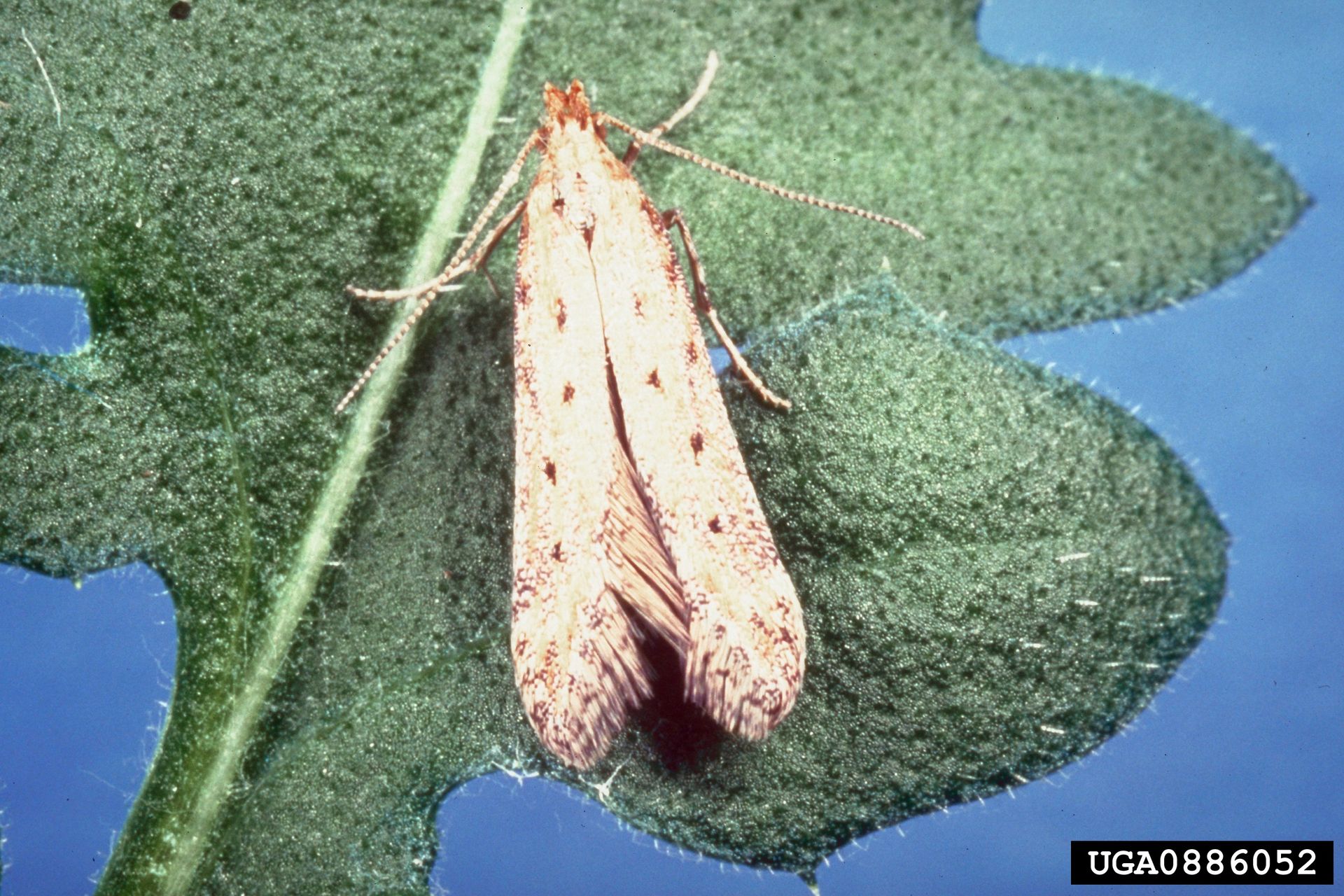
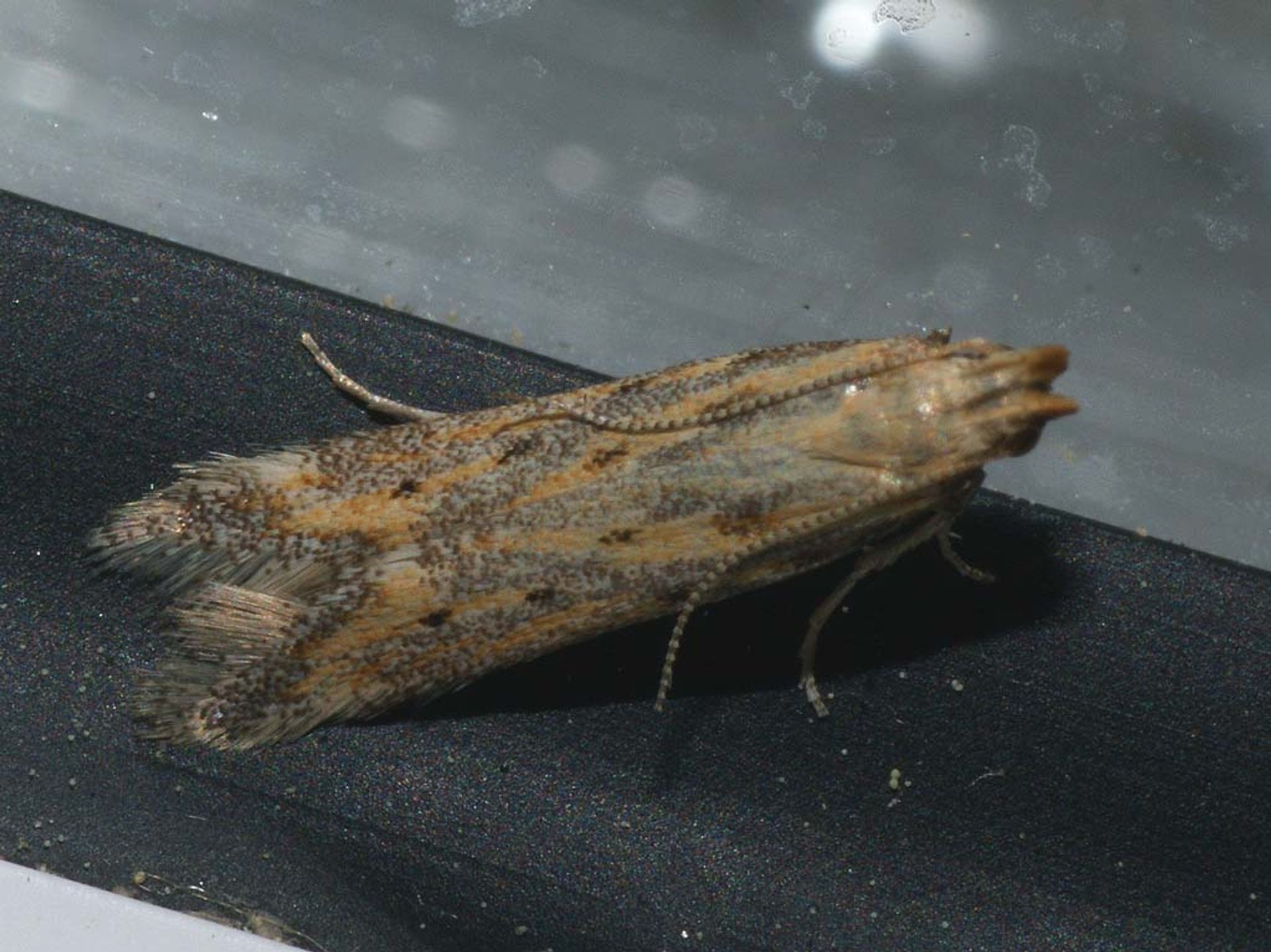
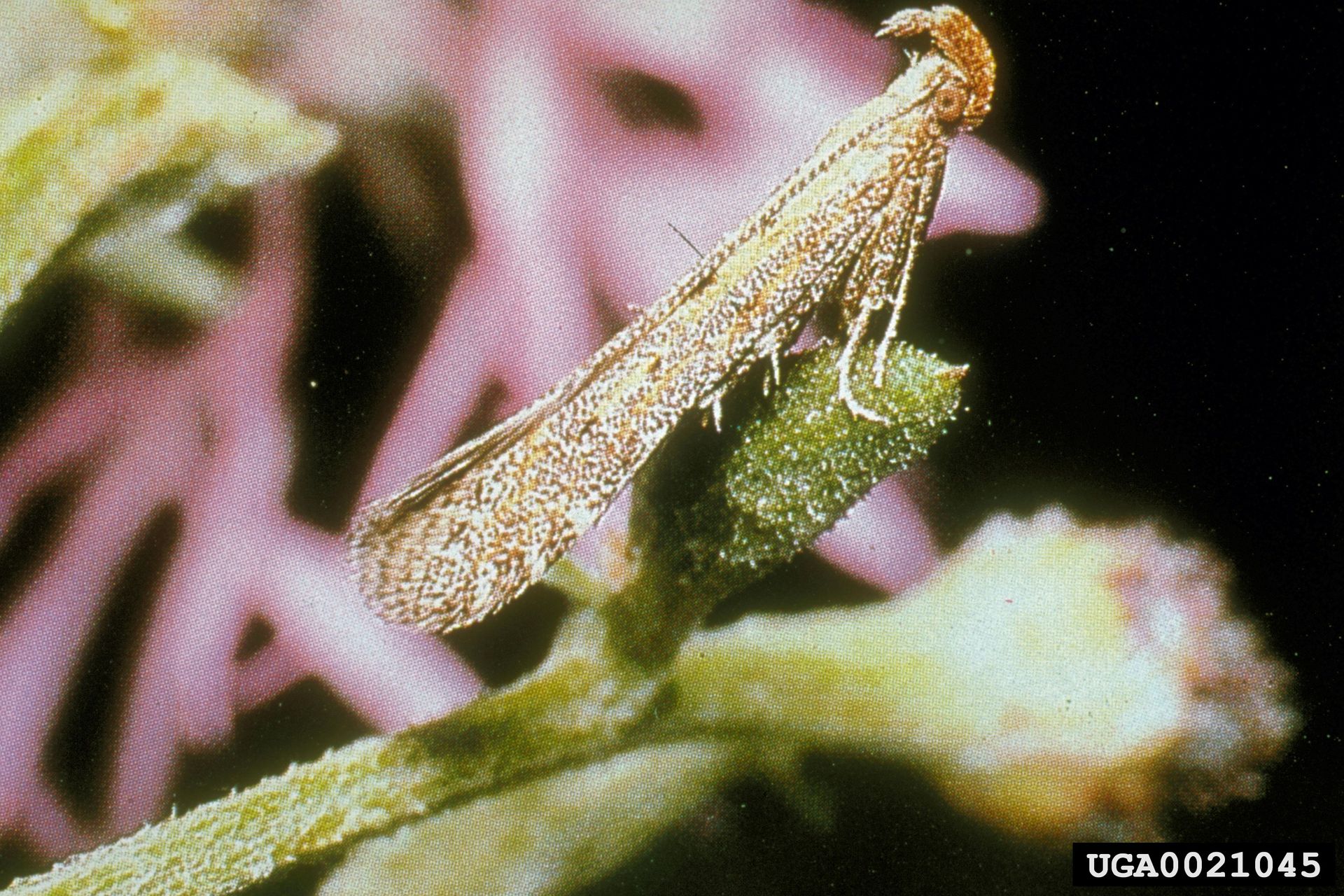
2- Metzneria lappella(Burdock Seedhead Moth)
- Metzneria paucipunctella(spotted knapweed seed head moth)
Metzneria is a of small in the Gelechiidae, established by Zeller in 1839. The genus contains approximately 40 described , predominantly distributed in the Palearctic region, with at least one species introduced to North America for purposes. Most species are specialized seed-feeders associated with plants in the tribe Cynareae (Asteraceae), particularly the genus Centaurea.
Pronunciation
How to pronounce Metzneria: /mɛtˈzner.i.ə/
These audio files are automatically generated. While they are not always 100% accurate, they are a good starting point.
Images
Distribution
Primarily Palearctic; recorded from Europe, Asia (including Turkey, Central Asia), and North Africa. At least one (M. paucipunctella) has been introduced to North America (Pacific Northwest, Montana). Additional records include Denmark, Norway, Sweden, and Vermont (USA).
Diet
Larvae are seed-feeders. M. paucipunctella larvae have been observed destroying an average of 8.13 knapweed seeds per individual, with feeding occurring both prior to seed (early September) and in the following spring.
Host Associations
- Centaurea maculosa - plantspotted knapweed; of M. paucipunctella
- Centaurea stapfiana - plant of M. subflavella
- Arctium - plantburdock; of M. lappella (burdock seedhead )
Behavior
Larvae of M. paucipunctella tie seeds together with silk webbing (average 7.0 seeds per larva), enabling extended feeding after normal seed . This causes significant mortality to co-occurring Urophora fly larvae, particularly during spring months (67% mortality to U. affinis in May).
Ecological Role
Seed in Asteraceae seed . M. paucipunctella contributes to consumer pressure on spotted knapweed and competes with or preys upon other biocontrol agents (Urophora spp.) in shared seed heads.
Human Relevance
Evaluated and employed as agent against knapweeds (Centaurea spp.) in North America. M. paucipunctella was introduced to the Pacific Northwest for spotted knapweed control and has established .
Sources and further reading
- BugGuide
- Wikipedia
- GBIF taxonomy match
- iNaturalist taxon
- NCBI Taxonomy
- Catalogue of Life
- Metzneria riadella Englert, 1974, a new record for the Türkiye Fauna (Lepidoptera: Gelechiidae)
- Ecology ofMetzneria lappella(Lepidoptera: Gelechiidae) and Its Hymenopterous Parasites in Eastern North Dakota
- Revision der Gattung Metzneria Zeller (Lepid., Gelechiidae) mit Beiträgen zur Biologie der Arten1
- Notes on Parasitic Hymenoptera Associated with a Gelechiid Moth, Metzneria lappella, in the Common Burdock, and Description of a New Species of Agathis (Braconidae)
- A new host [Centaurea stapfiana (Hand.-Mazz.) Wagenitz (Asteraceae)] record for the moth Metzneria subflavella Englert (Lepidoptera: Gelechiidae) from Turkey
- METZNERIA PAUCIPUNCTELLA ZELLER (LEPIDOPTERA: GELECHIIDAE), A MOTH INTRODUCED AGAINST SPOTTED KNAPWEED: ITS FEEDING STRATEGY AND IMPACT ON TWO INTRODUCED UROPHORA SPP. (DIPTERA: TEPHRITIDAE)