
Anacampsini
Genus Guides
10Anacampsini is a tribe of small within the Anacampsinae ( Gelechiidae). These moths are part of a diverse lineage of gelechioid moths characterized by their relatively compact body form and often subtle wing patterns. The tribe contains multiple and that are primarily or in activity.
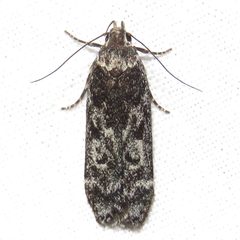
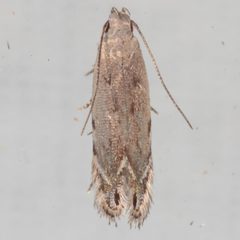
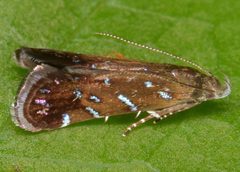
Pronunciation
How to pronounce Anacampsini: /ˌænəˈkæmpsɪnaɪ/
These audio files are automatically generated. While they are not always 100% accurate, they are a good starting point.
Identification
Members of Anacampsini can be distinguished from other gelechiid tribes by genitalic characters, particularly in male claspers and female signa. Wing venation patterns and the arrangement of forewing also provide diagnostic features. External alone is often insufficient for definitive tribal assignment; dissection and microscopic examination are typically required.
Images
Habitat
within Anacampsini occupy a range of terrestrial including forests, grasslands, and scrublands. Many are associated with herbaceous vegetation or woody plants where larvae develop.
Distribution
The tribe has a broad distribution with representatives in the Nearctic, Palearctic, and other biogeographic regions. Specific range limits vary considerably among constituent and .
Seasonality
periods vary by and latitude, with most activity occurring during warmer months in temperate regions. Some species may exhibit or multivoltine patterns.
Ecological Role
Larvae of Anacampsini function as primary consumers, feeding on plant tissues. Their herbivory contributes to nutrient cycling and may influence plant dynamics, though specific impacts are poorly documented for most .
Similar Taxa
- AnomologiniAlso within Anacampsinae; distinguished by differences in male genitalia structure and wing pattern elements
- GelechiiniAnother tribe in Gelechiidae; Anacampsini generally lack the pronounced forewing costal fold found in many Gelechiini males
More Details
Taxonomic note
The tribe Anacampsini is currently classified within the Anacampsinae. Historical treatments have varied, with some authors recognizing different tribal boundaries. The classification reflects ongoing revisions based on molecular and morphological data.