
Elachista albidella
Nylander, 1848
cottongrass sedge-miner
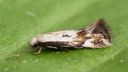
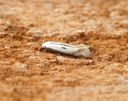
Elachista albidella is a small microlepidopteran in the Elachistidae, described by William Nylander in 1848. It has a wingspan of 9–10 mm and is characterized by white forewings with distinctive fuscous markings and a large black plical stigma. The is widely distributed across Europe and also occurs in North America. Larvae are specialized miners of sedges and grasses in wetland .
Pronunciation
How to pronounce Elachista albidella: /ɛˈlæ.kɪ.stə æl.bɪˈdɛl.ə/
These audio files are automatically generated. While they are not always 100% accurate, they are a good starting point.
Identification
Distinguished from similar Elachista by combination of white forewings with large, elongate black plical stigma and angulated fuscous fascia beyond middle with acutely produced angle toward apex. Costal and fuscous spots near apex also diagnostic. Hindwings dark grey rather than pale. Requires genitalia examination for definitive separation from closely related species.
Images
Appearance
are small with wingspan 9–10 mm. white. Forewings white with and sometimes dorsum suffused with fuscous; plical stigma large, elongate, and black; an angulated fuscous fascia beyond middle with angle acutely produced towards apex; small fuscous costal and spots near apex. Hindwings rather dark grey. Larva greenish-grey, more yellowish anteriorly, with dark brown head.
Habitat
Wetland including fens, marshes, and damp grasslands. Associated with stands of larval plants in moist to wet conditions.
Distribution
Europe: Fennoscandia, northern Russia, Pyrenees, Italy, Hungary, Ireland, Ukraine, Belgium. North America: present but specific range details not documented in sources.
Diet
Larvae feed internally as leaf miners on sedges and grasses: Calamagrostis arundinacea, Carex acuta, Carex acutiformis, Carex riparia, Deschampsia cespitosa, Deschampsia flexuosa, Eleocharis palustris, Eriophorum angustifolium, Melica nutans, Poa palustris, and Scirpus caespitosus. feeding habits not documented.
Host Associations
- Calamagrostis arundinacea - larval
- Carex acuta - larval
- Carex acutiformis - larval
- Carex riparia - larval
- Deschampsia cespitosa - larval
- Deschampsia flexuosa - larval
- Eleocharis palustris - larval
- Eriophorum angustifolium - larval
- Melica nutans - larval
- Poa palustris - larval
- Scirpus caespitosus - larval
Life Cycle
Larval stage develops as within plant leaves. Specific details of and timing not documented in available sources.
Behavior
Larvae exhibit leaf-mining , feeding internally within leaves of sedges and grasses. behavior not documented.
Ecological Role
Herbivore in wetland . Larval leaf-mining activity may influence plant physiology and provide food source for .
Human Relevance
No documented economic or cultural significance. Occasionally encountered in ecological surveys of wetland .
Similar Taxa
- Other Elachista speciesMany Elachista share small size and white or pale forewings; E. albidella distinguished by specific pattern of fuscous markings and large black plical stigma
More Details
Taxonomic authorship note
GBIF lists authorship as Tengström, 1847, while Wikipedia and NCBI list Nylander, 1848. This discrepancy likely reflects historical publication dates or synonymy issues in early descriptions.
Common name origin
The 'cottongrass sedge-miner' reflects larval association with Eriophorum angustifolium (cottongrass) and other sedges.