
Bibarrambla allenella
(Walsingham, 1882)
Bog Bibarrambla Moth
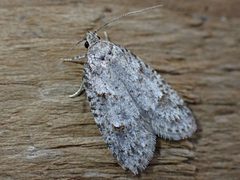
Bibarrambla allenella is a small and the sole member of its . It occurs in wetland across northern and eastern North America. The species was first described by Walsingham in 1882 from specimens collected in the region.
Identification
As the only in the Bibarrambla, identification to genus level confirms the species. are small with relatively unmarked, pale to medium brown forewings. Distinguishing features from similar small Depressariidae require examination of genitalia or close comparison of wing pattern details.
Images
Habitat
Associated with bog and wetland environments. Larval is tied to plants in these moist, acidic systems.
Distribution
North America: recorded from Nova Scotia to Minnesota, south to North Carolina. Additional Canadian records from Alberta, Manitoba, and Saskatchewan. United States records include New York, Connecticut, Maryland, and Vermont.
Diet
Larvae feed on bog-associated plants, though specific records are limited. Has been associated with ericaceous vegetation in wetland settings.
Host Associations
- Ericaceae - larval foodplantbog-associated ; specific not fully documented
Ecological Role
Contributes to herbivore diversity in bog . Larval feeding may influence growth of ericaceous shrubs in these nutrient-limited .
Human Relevance
No significant economic or cultural importance. Occasionally encountered by wetland researchers and enthusiasts.
Similar Taxa
- SemioscopisFormerly placed in this ; similar size and general appearance in the Depressariidae . Distinguishable by genitalia and subtle wing pattern differences.
- Other small DepressariidaeNumerous share small size and brown coloration. Requires dissection or detailed wing venation study for reliable separation.
More Details
Taxonomic history
Originally described as Semioscopis allenella by Walsingham in 1882, later transferred to the Bibarrambla based on distinct morphological features, particularly in genitalia structure.
Conservation status
Not formally assessed; appears secure given broad distribution, though wetland loss may impact local .