
Bibarrambla
Clarke, 1941
bog bibarrambla moth (sole species)
Species Guides
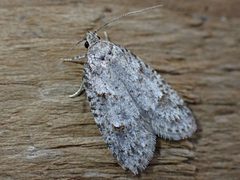
1- Bibarrambla allenella(Bog Bibarrambla Moth)
Bibarrambla is a of in the Depressariidae, containing only Bibarrambla allenella, commonly known as the bog bibarrambla moth. The genus was established by Clarke in 1941, though the sole was described earlier by Walsingham in 1882. The species occurs in eastern and central North America, with larvae feeding on Alnus and Betula species.
Pronunciation
How to pronounce Bibarrambla: //bi.baˈram.bla//
These audio files are automatically generated. While they are not always 100% accurate, they are a good starting point.
Identification
As a , identification relies on recognizing Bibarrambla allenella. The genus is distinguished within Depressariidae by its unique combination of morphological features, though specific diagnostic characters are not well documented in available sources. are small typical of the Depressariidae.
Images
Habitat
Associated with bog and wetland , as indicated by the "bog bibarrambla moth." Larval (Alnus and Betula) suggest occurrence in areas where alder and birch grow, including wetlands, riparian zones, and moist woodlands.
Distribution
Eastern and central North America. Recorded from Nova Scotia south to North Carolina, west to Minnesota, with specific records from New York, Connecticut, Maryland, and Vermont.
Diet
Larvae feed on Alnus (alders) and Betula (birches) . feeding habits are not documented.
Host Associations
- Alnus - larval plant
- Betula - larval plant
Ecological Role
Larval herbivore on woody plants; contributes to nutrient cycling and serves as prey for in wetland and riparian .
Human Relevance
No significant direct economic or cultural importance documented. Presence may indicate healthy bog and wetland .
Similar Taxa
- Other Depressariidae generaSimilar small ; Bibarrambla distinguished by status and specific plant associations, though precise diagnostic features require examination.