
Blastobasinae
Meyrick, 1894
Tribe Guides
2Blastobasinae is a of small within the superfamily Gelechioidea, established by Meyrick in 1894. The group is taxonomically unstable, sometimes treated as a subfamily of Coleophoridae (case-bearer moths) or as the Blastobasidae. are globally distributed, with high diversity documented in tropical regions including Rica where over 100 species have been described. Larvae of studied species are internal feeders, boring into stems, fruits, or other plant tissues.
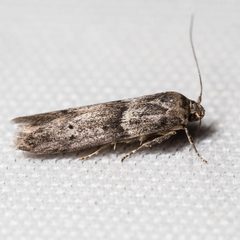
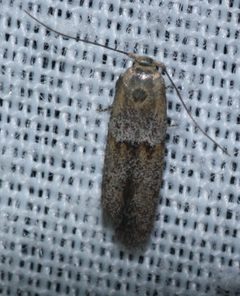
Pronunciation
How to pronounce Blastobasinae: /ˌblæstoʊˈbeɪsɪniː/
These audio files are automatically generated. While they are not always 100% accurate, they are a good starting point.
Images
Distribution
Global distribution with recorded from North America, Central America ( Rica), Asia (China, Japan), and other regions. Some may represent human introductions rather than native ranges.
Similar Taxa
- Coleophorinae (Coleophoridae)Blastobasinae is sometimes classified as a within Coleophoridae; both groups contain small with case-bearing or concealed larval habits, requiring genitalia examination for definitive separation
- SymmocidaeSometimes included within Blastobasidae/Blastobasinae as a or tribe; taxonomic boundaries remain unresolved
More Details
Taxonomic instability
The classification of Blastobasinae varies among authorities: treated as of Coleophoridae in some arrangements, as Blastobasidae in others. The Symmocidae may also be included within this group.
Sources and further reading
- BugGuide
- GBIF taxonomy match
- iNaturalist taxon
- Catalogue of Life
- Review of the Blastobasinae of Costa Rica (Lepidoptera: Gelechioidea: Blastobasidae)
- Descriptions of life-stages of Blastobasis repartella (Lepidoptera: Gelechioidea: Coleophoridae: Blastobasinae) and observations on its biology in switchgrass
- Holcocera sakura (Lepidoptera: Gelechioidea; Coleophoridae, Blastobasinae), a new species from Japan, associated with Prunus
- Camellia fruit borer, <i>Neoblastobasis camelliae</i>, a new species of Blastobasinae in China (Lepidoptera, Blastobasidae)