Euthyatira semicircularis
(Grote, 1881)
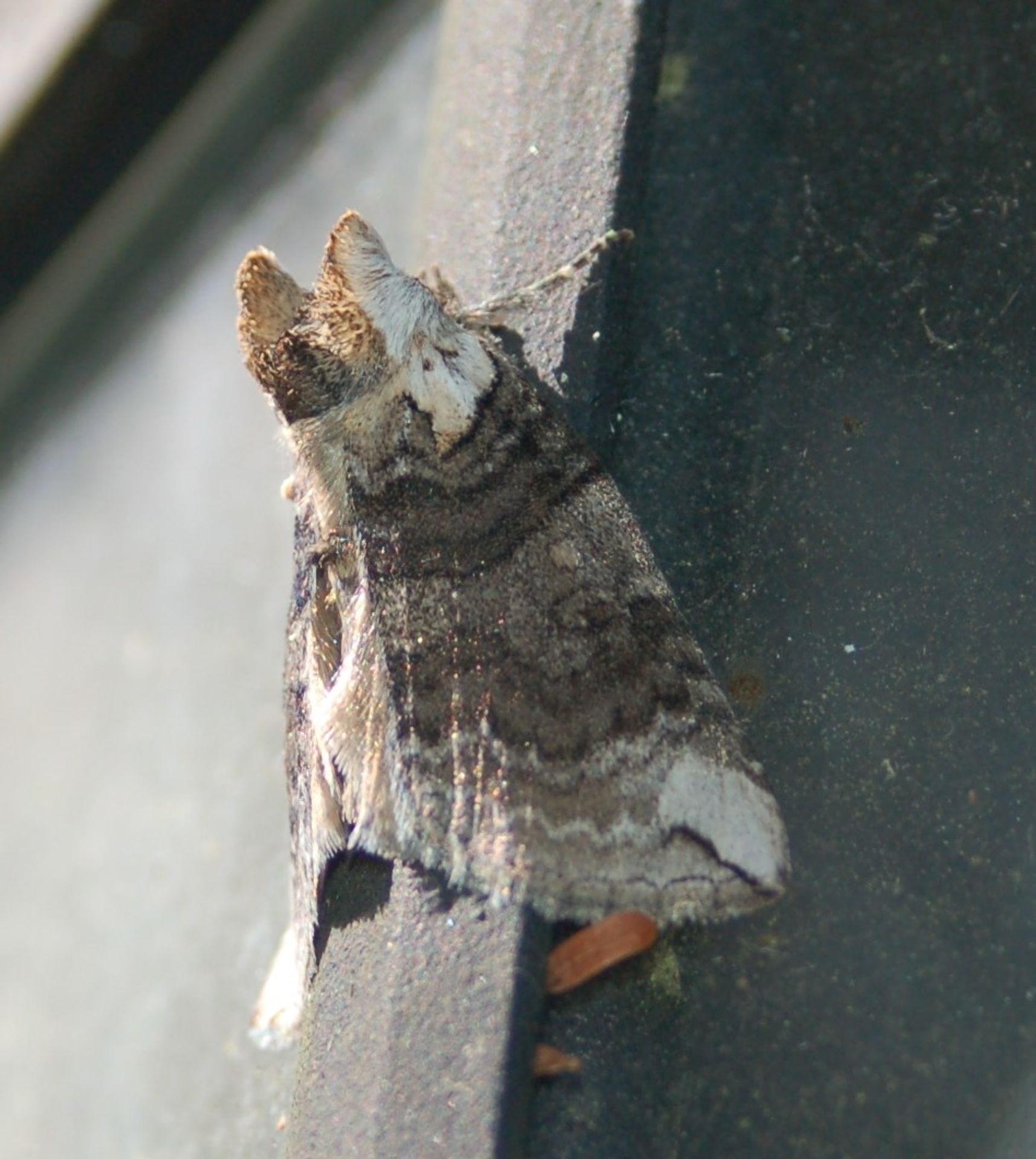
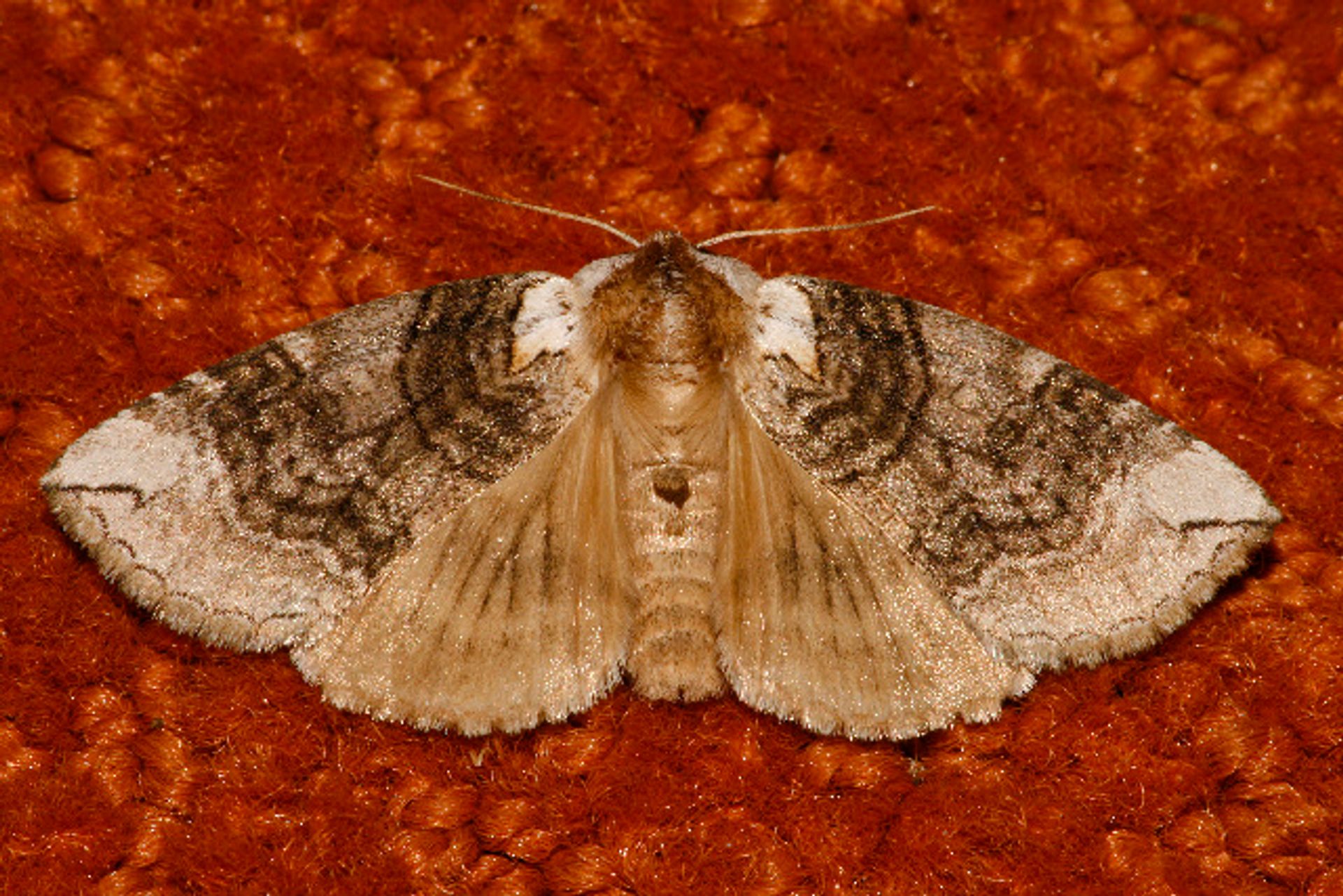
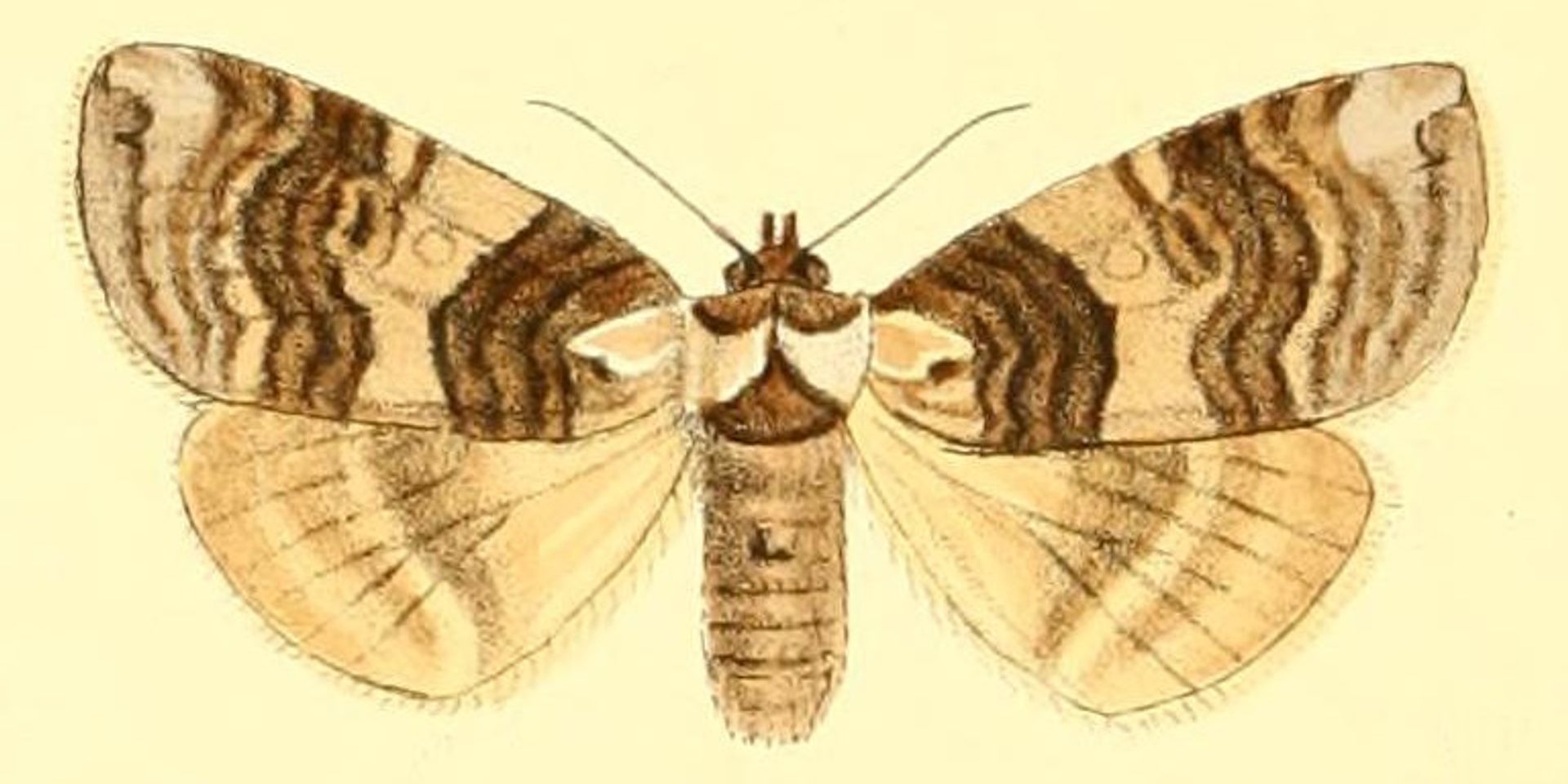
Euthyatira semicircularis is a in the Drepanidae, distributed across western North America from British Columbia to California and east to Utah. It inhabits coastal rainforests and forests. have a wingspan of 39–45 mm and are active from May to July.
Pronunciation
How to pronounce Euthyatira semicircularis: /juːˌθaɪəˈtaɪrə ˌsɛmɪˌsɜːkjʊˈlærɪs/
These audio files are automatically generated. While they are not always 100% accurate, they are a good starting point.
Identification
The combination of moderate size (39–45 mm wingspan), western North American distribution in forest , and spring-to-summer period (May–July) helps distinguish this . The semicircular wing marking implied by the species name may aid identification, though confirmation requires examination of specimens or additional references.
Images
Appearance
Wingspan 39–45 mm. The name 'semicircularis' likely refers to a semicircular marking on the wings, though specific pattern details are not documented in available sources.
Habitat
Coastal rainforests and forests.
Distribution
Western North America: British Columbia to California, east to Utah.
Seasonality
active from May to July.
Similar Taxa
- Euthyatira pudensCongeneric with overlapping western North American distribution; differentiation requires examination of wing pattern details and genitalia.
- Other Thyatirinae members share general ; precise identification relies on specific wing markings and geographic range.
More Details
Family Classification Note
Catalogue of Life places this in , while other sources (Wikipedia, GBIF, NCBI) use Drepanidae. This reflects ongoing taxonomic debate; Thyatirinae is treated as a of Drepanidae in modern classifications.