
Euthyatira pudens
(Guenée, 1852)
dogwood thyatirid moth, peach-blossom moth
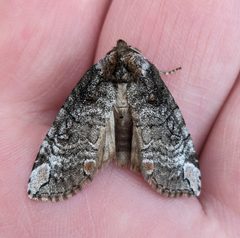
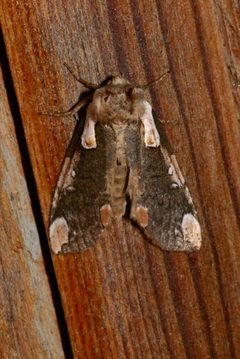
Euthyatira pudens is a medium-sized in the Drepanidae, commonly known as the dogwood thyatirid moth or peach-blossom moth. First described by Guenée in 1852, this occurs across much of North America from southern Canada to the Gulf of Mexico. It is strongly associated with moist forest and riparian corridors. The larvae feed exclusively on Cornus (dogwood) species.
Pronunciation
How to pronounce Euthyatira pudens: /juːˈθaɪ.ə.tɪə ˈpjuː.dɛnz/
These audio files are automatically generated. While they are not always 100% accurate, they are a good starting point.
Identification
The combination of medium size (40–45 mm wingspan), pinkish-peach wing coloration, and moist forest/riparian helps distinguish this from other Drepanidae. The hooked forewing apex is characteristic of the . The larval association with Cornus species provides additional identification context where plants are known. Similar thyatirid in the Euthyatira and related genera may require genitalic dissection or molecular analysis for definitive identification.
Images
Appearance
Wingspan 40–45 mm. display coloration that inspired the 'peach-blossom ,' with pinkish tones on the wings. The forewings have a characteristic thyatirid shape with somewhat hooked or pointed apexes typical of the Drepanidae. Patterning includes darker markings that provide camouflage against bark and foliage.
Habitat
Moist forests and riparian zones along creeks at low to middle elevations. The shows strong fidelity to with adequate humidity and proximity to watercourses, likely reflecting both microclimate preferences and the distribution of larval plants.
Distribution
North America, ranging across southern Canada (Alberta, Manitoba, Saskatchewan, and eastern provinces) southward through the United States to the Gulf of Mexico. GBIF records confirm presence in Alberta, Manitoba, Saskatchewan (Canada), and Vermont (United States).
Diet
Larvae feed on Cornus (dogwoods). feeding habits are not documented.
Host Associations
- Cornus - larval food plant-level association; specific Cornus not specified in available sources
Ecological Role
As a herbivore on Cornus, larvae contribute to nutrient cycling in forest and may influence dogwood . The serves as prey for insectivorous birds, bats, and other in moist forest .
Human Relevance
No significant direct economic impact. The 'peach-blossom ' reflects aesthetic appreciation of its coloration. May be encountered by naturalists and moth enthusiasts in appropriate .
Similar Taxa
- Other Euthyatira speciesCongeneric share similar and preferences; require careful examination or genitalic dissection for separation
- Other Thyatirinae (thyatirid moths)Share characteristics including hooked forewing apexes; -level identification relies on color pattern, size, and geographic distribution
More Details
Taxonomic note
Placed in Drepanidae (hook-tip moths) in modern classifications; historically treated in family by some sources including Catalogue of Life, which reflects older taxonomic arrangements. The basionym Thyatira pudens indicates its original description in Thyatira before transfer to Euthyatira.
Conservation status
Not formally assessed; appears to be widespread and relatively common based on iNaturalist observation count (1331 records), though riparian specificity may create localized vulnerability.