
Givira francesca
Dyar, 1909
Francesca Carpenterworm Moth
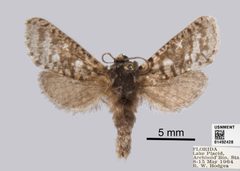
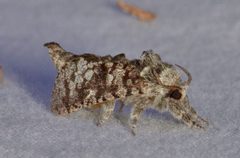
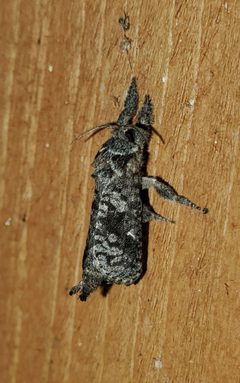
Givira francesca is a small in the Cossidae, commonly known as carpenter millers or carpenterworm moths. It occurs in the southeastern United States, with records from Alabama, Florida, Mississippi, North Carolina, and South Carolina. are active year-round and have a wingspan of 22–27 mm. The larvae are known to bore into the bark of Pinus trunks.
Pronunciation
How to pronounce Givira francesca: /dʒɪˈvaɪrə frænˈtʃɛskə/
These audio files are automatically generated. While they are not always 100% accurate, they are a good starting point.
Identification
Distinguished from other Givira by geographic distribution in the southeastern U.S. and association with Pinus . The small size (22–27 mm wingspan) and year-round activity may help separate it from some with more restricted periods. Specific diagnostic morphological features are not documented in available sources.
Images
Appearance
Small with wingspan of 22–27 mm. Specific coloration and pattern details beyond size are not documented in available sources.
Habitat
Associated with pine forests or woodlands containing Pinus . Larvae occur within the bark of pine trunks.
Distribution
Southeastern United States: recorded from Alabama, Florida, Mississippi, North Carolina, and South Carolina.
Seasonality
have been recorded on wing year round; no specific peak period documented.
Diet
Larvae bore in the bark of Pinus trunks. Specific feeding habits of are not documented.
Host Associations
- Pinus - larval larvae bore in bark of trunks
Life Cycle
Larval stage occurs within bark of pine trunks. occurs year-round. Specific details regarding , pupal stages, or time are not documented.
Behavior
Larvae exhibit boring in pine bark. activity occurs throughout the year without apparent seasonal restriction.
Ecological Role
Larvae function as cambium or phloem borers in pine trunks, potentially contributing to tree stress or serving as prey for bark-foraging birds and insects.
Human Relevance
May be of minor concern in forestry due to larval boring in pine bark, though economic impact is not documented. No other documented human interactions.
Similar Taxa
- Other Givira speciesMany Givira share similar size and general ; G. francesca is distinguished by its southeastern U.S. distribution and Pinus association
More Details
Etymology
The epithet "francesca" honors an individual, though the specific honoree is not documented in available sources. The "Francesca Carpenterworm " reflects this dedication.