
Comadia henrici
Grote, 1882
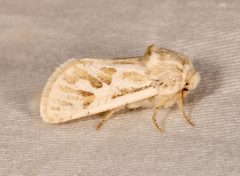
Comadia henrici is a small in the Cossidae, first described by Grote in 1882. It is to the southwestern United States, with documented records from California, Arizona, New Mexico, Colorado, Nevada, and Utah. The exhibits in size, with females notably larger than males. are active during spring and early summer.
Pronunciation
How to pronounce Comadia henrici: /kəˈmeɪdiə ˈhɛnriˌsaɪ/
These audio files are automatically generated. While they are not always 100% accurate, they are a good starting point.
Identification
Distinguished from other Comadia primarily by geographic range and size. Within its southwestern U.S. distribution, combination of small size (especially males under 16 mm wingspan) and Cossidae characteristics (narrow wings, robust body relative to wingspan) may aid identification. Definitive identification requires examination of genitalia or molecular analysis.
Images
Distribution
Southwestern United States: California, Arizona, New Mexico, Colorado, Nevada, and Utah.
Seasonality
recorded on wing from March to July, with peak activity likely varying by elevation and latitude within its range.
Similar Taxa
- Other Comadia species occur in western North America; C. henrici distinguished by smaller size and specific southwestern range.
- Small Cossidae in southwestern U.S.-level characters (narrow wings, reduced wing venation) separate from other Lepidoptera families; -level identification requires examination.
More Details
Taxonomic authority
Original description by Augustus Radcliffe Grote in 1882.
Observation records
iNaturalist documents 55 observation records as of data compilation date.