Tortyra slossonia
Fernald, 1900
Slosson's metalmark moth, reflective tortyra moth, ficus budworm
A small in the Choreutidae, known from Florida. The was described by Fernald in 1900 and named for entomologist Annie Trumbull Slosson. It has a wingspan of approximately 13 mm. The "ficus budworm" suggests an association with Ficus plants, though specific relationships require confirmation.
Pronunciation
How to pronounce Tortyra slossonia: /ˈtɔr.tɪ.rə slɒˈsoʊ.ni.ə/
These audio files are automatically generated. While they are not always 100% accurate, they are a good starting point.
Identification
The small size (13 mm wingspan) and association with Florida help distinguish this from other Tortyra. The "Slosson's " distinguishes it from . Positive identification likely requires examination of genitalia or molecular methods given the lack of published diagnostic external characters.
Images
Appearance
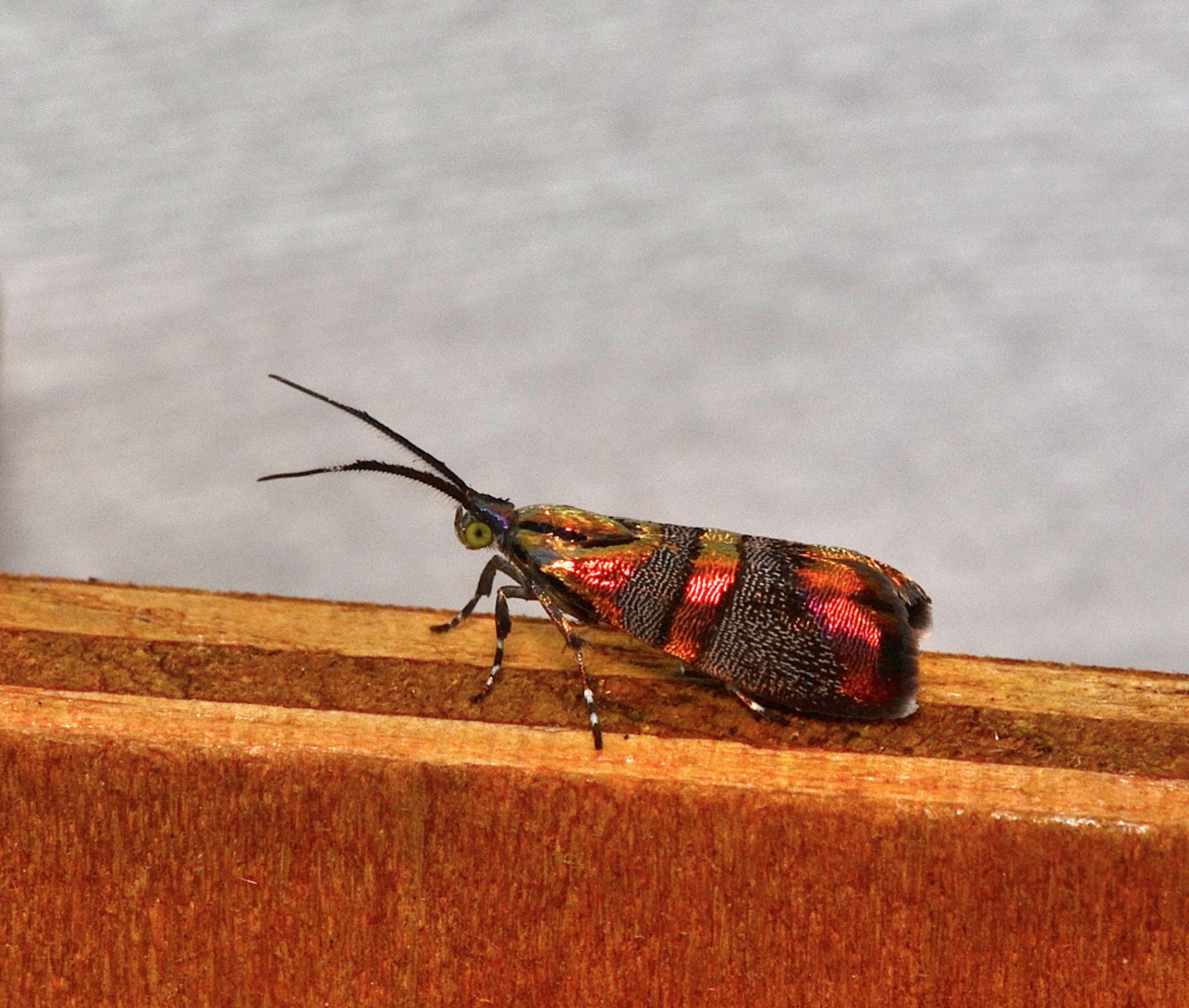
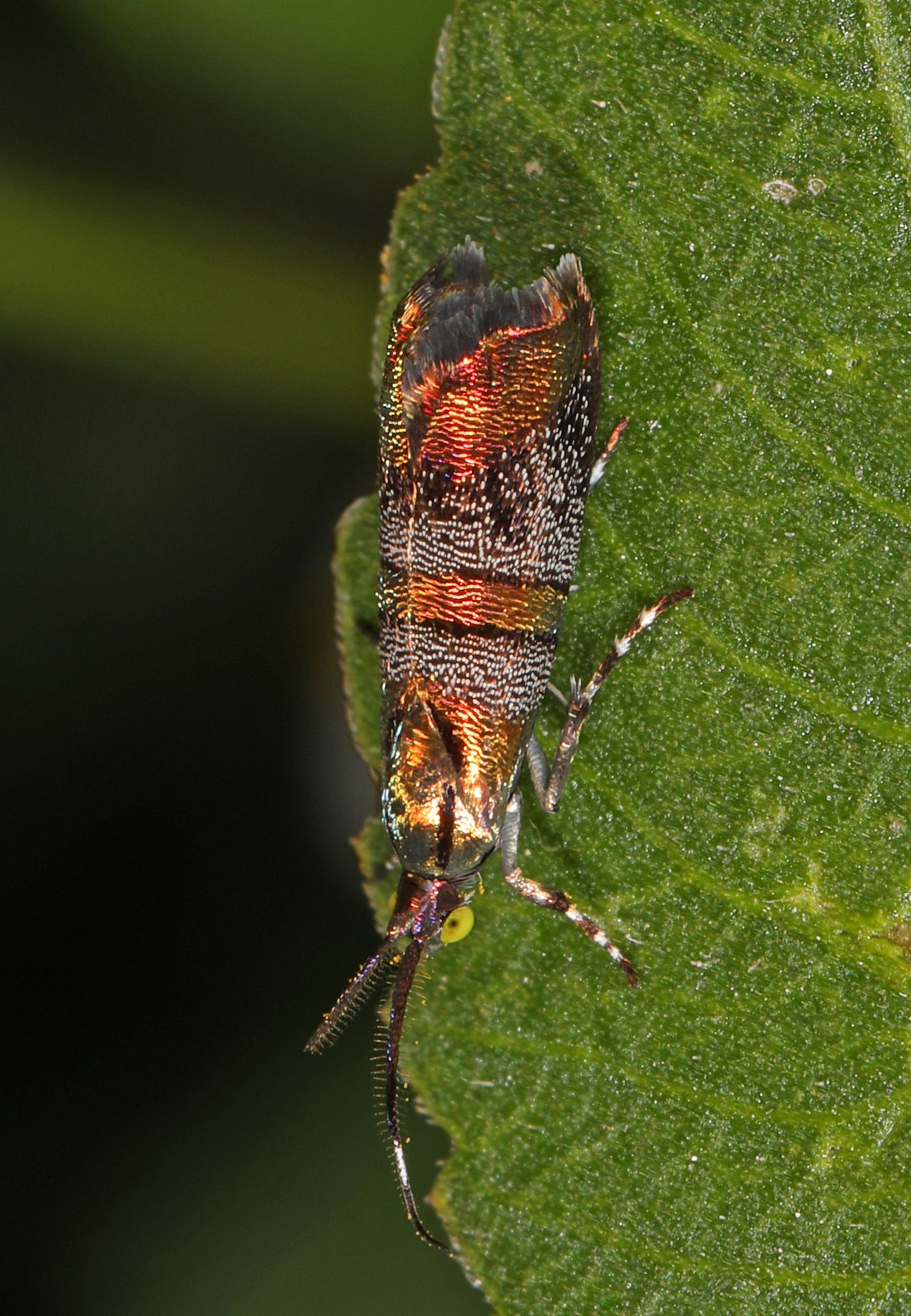
Small with a wingspan of approximately 13 mm. As a member of Choreutidae, likely exhibits the 's characteristic metallic or iridescent wing scaling that produces reflective qualities, accounting for the "reflective tortyra moth." Detailed wing pattern descriptions are not available in the provided sources.
Distribution
Known from Florida, USA. The limited geographic record suggests either restricted range or undercollection in neighboring regions.
Diet
The "ficus budworm" implies larval feeding on Ficus , but this association requires verification from primary literature.
Host Associations
- Ficus - probable larval Implied by 'ficus budworm' but not confirmed in provided sources
Human Relevance
Named in honor of Annie Trumbull Slosson, a notable 19th-20th century American entomologist. The "ficus budworm" suggests potential minor pest status on fig plants, though this is unconfirmed.
Similar Taxa
- Other Tortyra species share small size and likely similar appearance; Florida distribution and association with Slosson's name help distinguish T. slossonia
More Details
Etymology
Named for Annie Trumbull Slosson (1838-1926), an American entomologist and author who made significant contributions to the study of Lepidoptera and other insects, particularly from Florida and the northeastern United States.
Taxonomic history
Described by Fernald in 1900. The remains poorly known biologically, with most information limited to original description and scattered collection records.