
Carposina fernaldana
Busck, 1907
Currant Fruitworm Moth
Species Guides
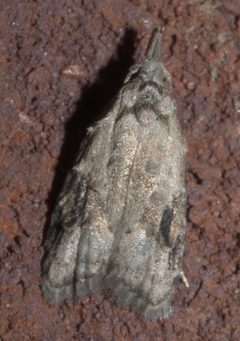
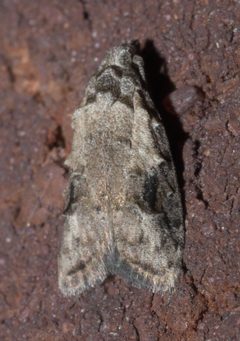
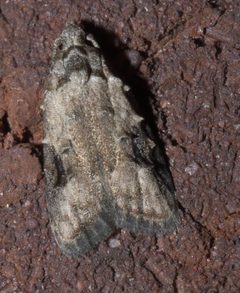
1Carposina fernaldana is a small in the Carposinidae, described by August Busck in 1907. The is named in honor of Charles H. Fernald. It occurs in eastern North America from Quebec southward along the Mississippi drainage to Missouri. The larvae feed internally in fruits of hawthorn (Crataegus) and currant/gooseberry (Ribes) species.
Pronunciation
How to pronounce Carposina fernaldana: //ˌkɑrpoʊˈsaɪnə fɜrˈnɔːldəˌnə//
These audio files are automatically generated. While they are not always 100% accurate, they are a good starting point.
Identification
The wingspan of 15–20 mm distinguishes this from larger Carposinidae. Larval presence is indicated by at fruit entry holes on Crataegus and Ribes . Specific diagnostic features require examination; identification should be confirmed by genitalia dissection or due to similarity with .
Images
Distribution
Eastern North America: Quebec, Canada southward along the Mississippi River drainage to Missouri, USA. Records also from Vermont.
Diet
Larvae feed internally within fruits of Crataegus (hawthorn) and Ribes (currant, gooseberry) .
Host Associations
- Crataegus - larval food plantfruits
- Ribes - larval food plantfruits
Life Cycle
Larvae develop inside fruits. occurs in soil. emerge to mate and oviposit on host plants. Specific timing of stages not documented.
Behavior
Females oviposit on developing fruits; larvae bore into fruit and feed internally, producing visible at entry holes.
Ecological Role
Fruit-boring larva; minor pest of native and cultivated Ribes and Crataegus. impacts on wild plants unknown.
Human Relevance
Minor agricultural pest of currants and gooseberries. Larval feeding reduces fruit quality and marketability. Not a regulated pest.
Similar Taxa
- Phaecasiophora fernaldanaSimilar specific epithet and confusion; belongs to Tortricidae, not Carposinidae. An Asian intercepted at U.S. ports, not established in North America. Feeds on apple rather than Ribes/Crataegus.