
Sagenosoma elsa
Strecker, 1878
Elsa Sphinx, elsa sphinx moth
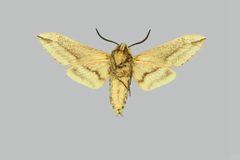
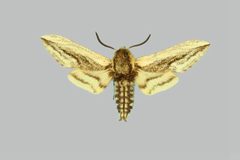
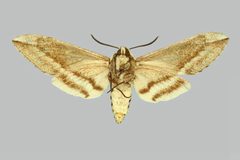
Sagenosoma elsa is a of sphinx moth in the Sphingidae, known as the Elsa Sphinx. It is the sole member of its and occurs in the southwestern United States and northern Mexico. The species was first described by Strecker in 1878 under the name Sphinx elsa. Like other sphingid , are likely capable of sustained hovering and rapid, agile movement.
Pronunciation
How to pronounce Sagenosoma elsa: //ˌsædʒɨˈnoʊsəmə ˈɛlsə//
These audio files are automatically generated. While they are not always 100% accurate, they are a good starting point.
Identification
Sagenosoma elsa can be distinguished from other sphingid by its unique combination of generic and specific characteristics as the only member of Sagenosoma. Field identification to level requires examination of wing pattern, body shape, and genitalia structure. It may be confused with other medium-sized sphinx moths in the tribe Sphingini, particularly those with similar forewing patterning. Precise identification typically requires reference to original species description or keys for North American Sphingidae.
Images
Distribution
Southwestern United States (Arizona, western New Mexico, southern Utah, and southern Colorado) and northern Mexico.
Similar Taxa
- Other Sphingini tribe membersSimilar body plan and capabilities; distinguished by wing venation, genitalia, and pattern details
- Sphinx speciesFormerly classified in same ; Sagenosoma now recognized as distinct based on morphological differences
More Details
Taxonomic history
Originally described as Sphinx elsa by Strecker in 1878, this was later transferred to the Sagenosoma, reflecting its distinct evolutionary position within Sphingidae.
Museum collections
As with many sphingid , museum specimens of S. elsa contribute to understanding historical distribution patterns and potential responses to environmental change, though specific museomics studies have not been documented for this species.
Sources and further reading
- BugGuide
- GBIF taxonomy match
- iNaturalist taxon
- NCBI Taxonomy
- Catalogue of Life
- International Pollinator Conference Comes to UC Davis | Bug Squad
- You Gotta Love Those Tarantulas! | Bug Squad
- A Day in the Life: Entomology in the Big Apple
- For Insect Ecologists, Some Rare Species Interactions Are a Sign of Things to Come
- Shades of Jurassic Park: Museum Specimens Shown to be "Treasure Troves" of Genomic Data
- Museum Specimens Show How Scale Insects Will Respond To Climate Change