
Sagenosoma
Jordan, 1946
elsa sphinx moth (sole species)
Species Guides
1- Sagenosoma elsa(Elsa Sphinx)
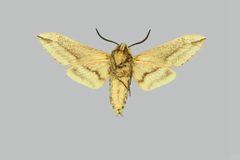
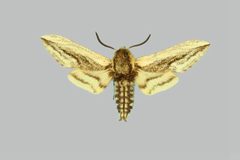
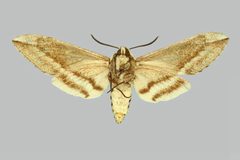
Sagenosoma is a of sphinx moths in the Sphingidae, established by Jordan in 1946. The sole , Sagenosoma elsa (elsa sphinx moth), is restricted to arid regions of the south-western United States and northern Mexico. fly during spring and summer months, with larvae recorded feeding on a specific desert shrub.
Pronunciation
How to pronounce Sagenosoma: /ˌsædʒəˈnoʊsəmə/
These audio files are automatically generated. While they are not always 100% accurate, they are a good starting point.
Identification
The is distinguished by containing only one recognized . Sagenosoma elsa has forewings measuring 23–38 mm in length. Specific diagnostic features separating it from other Sphingini genera are not documented in available sources.
Images
Habitat
Arid and semi-arid regions of the southwestern United States and northern Mexico, associated with desert shrublands where the larval plant Lycium pallidum occurs.
Distribution
South-western United States (Arizona, western New Mexico, southern Utah, southern Colorado) and northern Mexico.
Seasonality
are active from mid April to mid August. The produces either one or two per year.
Diet
Larvae have been recorded feeding on Lycium pallidum (pale desert-thorn, Solanaceae). feeding habits are not documented.
Host Associations
- Lycium pallidum - larval food plantSolanaceae; pale desert-thorn
Life Cycle
Development includes complete through , larva, pupa, and stages. Specific details of site or stage are not documented.
Behavior
are and attracted to light. period spans approximately four months during warmer seasons.
Ecological Role
Larvae function as herbivores on Lycium pallidum. Potential role as for night-blooming flora has not been studied.
Human Relevance
No significant economic or cultural importance documented. Occasionally encountered by enthusiasts and researchers in its restricted range.
Similar Taxa
- Other Sphingini generaSagenosoma is distinguished from related primarily by genitalic and wing venation characters established by Jordan (1946), though specific external morphological differences require examination.
More Details
Taxonomic history
The was erected by Karl Jordan in 1946 to accommodate Sagenosoma elsa, previously described by Druce in 1896. The status has remained stable, with no additional described.