
Neococytius
Hodges, 1971
Cluentius sphinx
Species Guides
1- Neococytius cluentius(Cluentius sphinx)
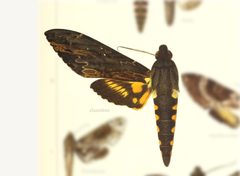
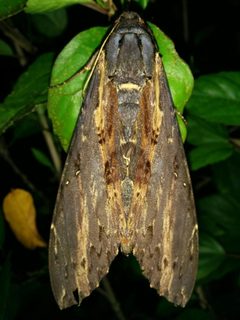
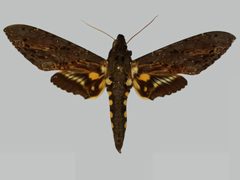
Neococytius is a in the Sphingidae, containing only the Neococytius cluentius, commonly known as the Cluentius sphinx. This large sphinx moth has an exceptionally long , historically measured at approximately 25 cm, which has been discussed in relation to pollination of night-blooming cacti. The genus was erected by Ronald W. Hodges in 1971, with the sole species originally described by Pieter Cramer in 1775.
Pronunciation
How to pronounce Neococytius: /niː.oʊ.kɔːˈsaɪ.ti.əs/
These audio files are automatically generated. While they are not always 100% accurate, they are a good starting point.
Identification
As a , Neococytius is distinguished from related genera primarily by characteristics of its sole , N. cluentius. The species has a wingspan of 140–160 mm. The genus can be distinguished from the related genus Cocytius by genitalic and other morphological features that led to its separation by Hodges in 1971.
Images
Distribution
Northern South America, Central America, Mexico, the Caribbean (rare on Cuba), and sporadically recorded in North America from Mississippi north to Michigan and Illinois.
Seasonality
In the tropics, are on wing in three main periods: December to January, May to June (July in Jamaica), and October.
Diet
: nectar from flowers, with historical discussion of potential specialization on night-blooming cacti. Larvae: recorded feeding on Annonaceae, Piperaceae, and Ipomoea batatas (sweet potato).
Host Associations
- Annonaceae - larval food plant
- Piperaceae - larval food plant
- Ipomoea batatas - larval food plantsweet potato
Life Cycle
At least three per year in tropical regions.
Behavior
are . The has been discussed as a potential of night-blooming cacti due to its exceptionally long .
Ecological Role
Potential of night-blooming cacti; larval herbivore on various plant .
Human Relevance
Larvae feed on sweet potato (Ipomoea batatas), suggesting minor agricultural relevance. Historical scientific interest due to length and potential cactus pollination mutualism.
Similar Taxa
Misconceptions
The name "Cocytius cruentus" has been used erroneously in literature discussing cactus pollination; the correct specific epithet is cluentius.
More Details
Proboscis length
Otto Porsch in 1939 reported the length as 25 cm, one of the longest recorded for any , in the context of potential cactus pollination.