
Proserpinus vega
Dyar, 1903
vega sphinx moth, Vega Sphinx
Proserpinus vega is a sphinx moth in the Sphingidae, first described by Harrison Gray Dyar Jr. in 1903. It occurs in the southwestern United States and northern Mexico. are active in August, fly during the afternoon, and nectar from flowers. The larvae feed on plants in the evening primrose family (Onagraceae).
Pronunciation
How to pronounce Proserpinus vega: //prəˈsɛrpɪnəs ˈveɪɡə//
These audio files are automatically generated. While they are not always 100% accurate, they are a good starting point.
Identification
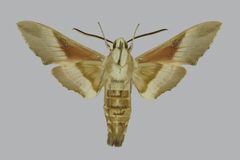
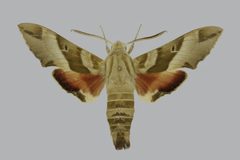
Wingspan 61–67 mm. Forewing upperside resembles Proserpinus terlooii but distinguished by an additional dark green basal band. Hindwing upperside similar to Proserpinus juanita.
Images
Distribution
Southern Arizona, New Mexico, and Texas southward into Mexico.
Seasonality
One per year; active in August.
Diet
Larvae feed on Onagraceae , including Oenothera, Gaura, and Epilobium. nectar from flowers.
Life Cycle
One annually.
Behavior
fly during the afternoon and visit flowers for nectar.
Ecological Role
function as . Larvae are herbivores specializing on Onagraceae.
Similar Taxa
- Proserpinus terlooiiSimilar forewing upperside pattern; P. vega distinguished by additional dark green basal band
- Proserpinus juanitaSimilar hindwing upperside pattern
Sources and further reading
- BugGuide
- Wikipedia
- GBIF taxonomy match
- iNaturalist taxon
- NCBI Taxonomy
- Catalogue of Life
- Entomologists Did These! | Bug Squad
- Meet Forensic Entomologist Danielle Wishon at the Bohart Museum Open House Jan. 12 | Bug Squad
- Cole and Connor: Two Teen Entomologists Cultivating Curiosities | Bug Squad
- No Rain, No Problem: Yellow Fever Mosquito Expands Footprint in Las Vegas
- Researchers Develop Genome Map for Mojave Poppy Bee
- How One Entomologist's Career Path Was Inspired by a TV Show