
Amphion
Hübner, 1819
nessus sphinxes
Species Guides
1- Amphion floridensis(Nessus sphinx)
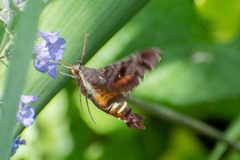
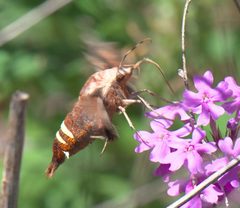
Amphion is a of sphinx moths ( Sphingidae) established by Hübner in 1819. The genus includes the Nessus Sphinx (Amphion floridensis), a widespread North American known for its and -mimicking appearance. The genus name derives from Greek mythology, shared with several mythological figures including the builder of Thebes.
Pronunciation
How to pronounce Amphion: //ˈæm.fi.ɒn//
These audio files are automatically generated. While they are not always 100% accurate, they are a good starting point.
Images
Distribution
The Amphion occurs in the New World. The sole North American , Amphion floridensis, is widespread east of the continental divide in the United States and southern Canada.
Seasonality
are active during the day, especially at dusk. In North America, period extends through summer months.
Diet
feed on nectar from flowers. Caterpillars feed on leaves of grape (Vitis spp.) and cayenne pepper (Capsicum spp.) plants.
Host Associations
- Vitis - larval grape
- Capsicum - larval cayenne pepper
Life Cycle
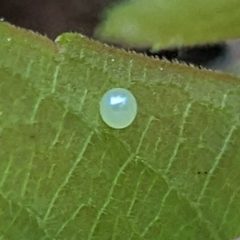
Complete with , larva (caterpillar), pupa, and stages. Caterpillars are leaf feeders; occurs in soil.
Behavior
are and , hovering at flowers to feed on nectar. The exhibits mimicry, with rapid, darting patterns that resemble those of sphecid wasps.
Human Relevance
Caterpillars may cause minor damage to grape . are of flowers.
Similar Taxa
- Sphecius speciosusEastern Cicada Killer is the proposed model for mimicry by Amphion floridensis; both share large size, brown and yellow coloration, and hovering
- HemarisClearwing sphinx moths also exhibit mimicry and , but differ in having largely transparent wings and different wing venation
More Details
Etymology
The name Amphion derives from Greek mythology, referencing multiple figures including Amphion of Thebes, son of Zeus and Antiope, who built the walls of the city with magical music
Mimicry
The -mimicking appearance and of Amphion floridensis represents , where a harmless evolves to resemble a dangerous or unpalatable model