
Phryxus
Hübner, 1819
Species Guides
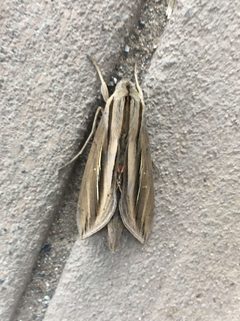
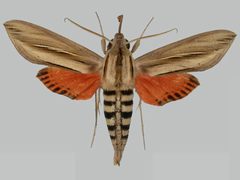
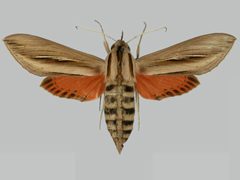
1- Phryxus caicus(Caicus Sphinx)
Phryxus is a of sphinx moths (Sphingidae) containing a single described , Phryxus caicus. The genus is restricted to the Neotropical region, with occasional records from the southern United States. are characterized by their streamlined, fast-flying typical of the . The genus name has also been applied historically to a bopyrid isopod genus, now generally treated as Hemiarthrus.
Pronunciation
How to pronounce Phryxus: /ˈfrɪksəs/
These audio files are automatically generated. While they are not always 100% accurate, they are a good starting point.
Identification
Phryxus is distinguished from other sphingid by wing pattern and genitalic characters; P. caicus has a distinctive forewing pattern with a pale, irregular submarginal band. The genus belongs to the tribe Dilophonotini, which includes other small to medium-sized sphingids with reduced development. Separation from related genera such as Aellopos and Eupyrrhoglossum requires examination of wing venation and abdominal patterning.
Images
Habitat
Tropical and subtropical lowland environments; associated with forest edges and disturbed where larval plants occur.
Distribution
Primarily Neotropical, ranging from Mexico through Central America to South America. Records from southern Florida and South Carolina represent vagrant or peripheral .
Similar Taxa
- AelloposSimilar size and wing shape; both in Dilophonotini, but Aellopos have more uniform dark forewings and different abdominal patterning.
- EupyrrhoglossumOverlapping distribution and ; Eupyrrhoglossum have more rounded wing apices and distinctively patterned hindwings.
Misconceptions
The name Phryxus has been used historically for a bopyrid isopod genus ( Bopyridae), now generally synonymized under Hemiarthrus. This creates nomenclatural confusion in literature searches; the genus Phryxus Hübner, 1819 has priority and is unrelated to the crustacean usage.