
Pachylioides
Hodges, 1971
Species Guides
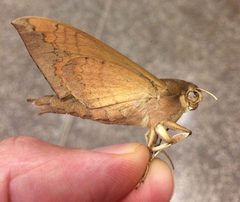
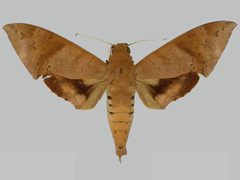
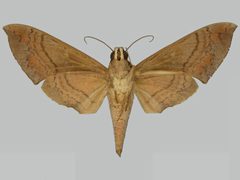
1- Pachylioides resumens(Lesser Ficus Sphinx)
Pachylioides is a in the Sphingidae, established by Ronald W. Hodges in 1971. It contains a single , Pachylioides resumens, described by Francis Walker in 1856. The genus belongs to the tribe Dilophonotini within the Macroglossinae. are active year-round in tropical regions with multiple per year.
Pronunciation
How to pronounce Pachylioides: //pəˌkɪliˈɔɪdiːz//
These audio files are automatically generated. While they are not always 100% accurate, they are a good starting point.
Identification
As a , Pachylioides contains only one , Pachylioides resumens. The genus can be distinguished from related Dilophonotini genera by its unique combination of morphological features established in Hodges' 1971 revision. Specific diagnostic characters for the genus level are not detailed in available sources.
Images
Habitat
Tropical and subtropical regions. Associated with plant availability including Ficus and Echites umbellata.
Distribution
Argentina, Brazil, Bolivia, Paraguay, Panama, Rica, Mexico, and the West Indies. Range extends from southern South America north through Central America and into the Caribbean.
Seasonality
are on wing year-round in the tropics with several overlapping . No specific seasonal peaks are documented.
Diet
Larvae feed on Echites umbellata, Ficus carica, and other Ficus . feeding habits are not documented.
Host Associations
- Echites umbellata - larval
- Ficus carica - larval
- Ficus - larval other
Ecological Role
Larval herbivore on Ficus and Apocynaceae (Echites). Potential as sphinx moth.
Similar Taxa
- Other Dilophonotini generaPachylioides was separated from related in Hodges' 1971 revision based on morphological distinctions; precise differentiating characters require examination of and original description
More Details
Taxonomic history
The was erected by Ronald W. Hodges in 1971 to accommodate Pachylioides resumens, which had been previously described by Francis Walker in 1856 under a different generic placement. The genus remains .