
Isognathus
Felder & Felder, 1862
Species Guides
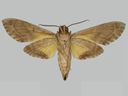
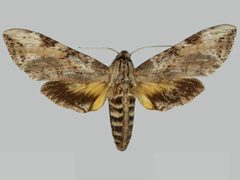
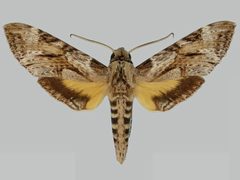
1- Isognathus rimosa(Rimosus Sphinx)
Isognathus is a of hawkmoths (Sphingidae) in the tribe Dilophonotini. The genus contains approximately 11 described distributed across the Neotropics. Larvae of at least one species, Isognathus menechus, have been documented feeding on hostplants in Suriname. are likely and possess the streamlined body form characteristic of sphingid .
Pronunciation
How to pronounce Isognathus: /iːsəˈɡneɪθəs/
These audio files are automatically generated. While they are not always 100% accurate, they are a good starting point.
Identification
Members of Isognathus can be distinguished from related in Dilophonotini by genitalic and wing pattern characteristics. The genus is placed in Dilophonotini based on phylogenetic and morphological analysis. -level identification requires examination of genitalia and forewing pattern elements.
Images
Habitat
Neotropical including tropical forests and associated . Specific microhabitat preferences vary by and remain poorly documented for most .
Distribution
Neotropical region, ranging from Mexico through Central America and South America. Individual have more restricted ranges; Isognathus menechus has been documented in Suriname.
Host Associations
- hostplant (unidentified) - larval Hostplant mentioned for Isognathus menechus in Suriname but not identified to in available sources
Life Cycle
Late larval stages described for Isognathus menechus. Complete details unknown for most .
Similar Taxa
- AelloposBoth belong to tribe Dilophonotini and share similar forewing shapes and body proportions; distinguished by genitalic and pattern differences
- ProtambulyxRelated dilophonotine with superficially similar ; requires genitalic examination for reliable separation
More Details
Taxonomic note
Isognathus was erected by Felder & Felder in 1862. The has undergone taxonomic revision, with some previously placed in related genera.
Research gaps
and of most Isognathus remain poorly known. Larval hostplants are documented for only one species, and stages are undescribed for most .