
Agapema homogena
Dyar, 1908
Rocky Mountain Agapema
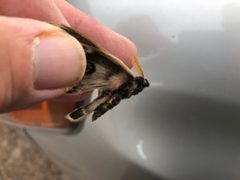
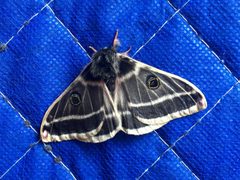
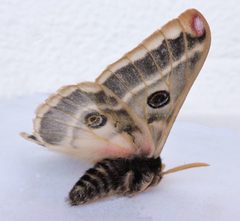
Agapema homogena is a giant silkmoth in the Saturniidae, first described by Dyar in 1908. It is commonly known as the Rocky Mountain Agapema. The occurs in North America and Central America. are and do not feed.
Pronunciation
How to pronounce Agapema homogena: /ˌæɡəˈpiːmə hoʊˈmoʊdʒɛnə/
These audio files are automatically generated. While they are not always 100% accurate, they are a good starting point.
Identification
Distinguished from other Agapema by geographic range; A. homogena is found in the Rocky Mountain region and adjacent areas. The Agapema can be separated from related Saturniidae by wing pattern and genitalia characteristics, though specific distinguishing features for A. homogena require examination.
Images
Habitat
Associated with rocky mountain and foothill environments in western North America. Larval plants include of Ribes (currants and gooseberries).
Distribution
North America (western United States, particularly Rocky Mountain states) and Central America. Records extend from Colorado and Wyoming southward.
Seasonality
have been observed from June to August, with peak activity in July.
Diet
do not feed. Larvae feed on Ribes .
Host Associations
- Ribes - larval plantSpecific include currants and gooseberries
Behavior
are and attracted to light. Like other Saturniidae, adults have reduced mouthparts and do not feed, relying on fat reserves accumulated during the larval stage.
Similar Taxa
- Agapema galbinaOverlaps in range in some areas; distinguished by wing pattern differences and genitalia
- Agapema anonaOccurs in southwestern North America; separated by geographic distribution and morphological details
More Details
Hodges number
7756