
Xiphydria tibialis
Say, 1824
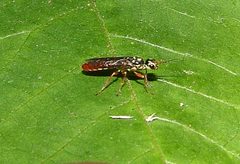
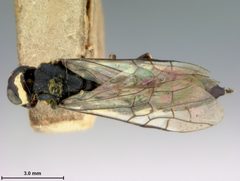
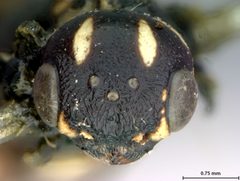
Xiphydria tibialis is a of wood wasp in the Xiphydriidae, first described by Thomas Say in 1824. It is one of several species in the Xiphydria, which are known as wood wasps due to their larvae developing in dead or dying wood. The species is native to North America. Limited observational data exists for this species, with only 8 documented observations on iNaturalist as of the source date.
Pronunciation
How to pronounce Xiphydria tibialis: /zaɪˈfɪdriə tɪˈbaɪəlɪs/
These audio files are automatically generated. While they are not always 100% accurate, they are a good starting point.
Identification
Xiphydria tibialis can be distinguished from other Xiphydria by the specific epithet 'tibialis,' which typically refers to markings or characteristics of the tibiae (leg segments). Accurate identification to species level requires examination of morphological details and may necessitate expert verification.
Images
Habitat
Associated with forested environments where suitable wood is available. Larvae develop in dead or dying wood of deciduous trees.
Distribution
Native to North America. Specific range details are not well documented in available sources.
Diet
do not feed; larvae are wood-borers that develop in dead or dying hardwood.
Host Associations
- Wood-boring larvae - Rhyssella nitida, an ichneumon , parasitizes Xiphydria larvae by drilling into wood with its ovipositor and laying on the .
Life Cycle
Holometabolous development with , larval, pupal, and stages. Larvae are wood-borers that tunnel in dead or dying wood. Development time varies depending on wood condition and environmental factors.
Behavior
are . Females use their prominent ovipositor to insert into wood. The is likely attracted to recently dead or stressed trees.
Ecological Role
Contributes to wood decomposition and nutrient cycling in forest . Serves as for such as Rhyssella nitida.
Human Relevance
Occasionally considered a pest when larvae develop in timber or finished wood products, though generally not a significant economic pest. Presence may indicate dead or dying trees.
Similar Taxa
- Other Xiphydria speciesSimilar and ; require detailed examination of tibial characters and other subtle morphological features for separation.
- Other wood wasps (Siricidae, Xiphydriidae)Convergent body form and wood-boring larval ; distinguished by -level characters including details of , ovipositor structure, and wing venation.
More Details
Taxonomic authority
The was described by Thomas Say in 1824, a prominent early American entomologist. The specific epithet 'tibialis' suggests the original description emphasized characters of the tibiae.
Collection rarity
The appears to be rarely encountered in collections, with limited observational records suggesting it may be genuinely uncommon, undercollected, or associated with specific conditions that are infrequently sampled.
Sources and further reading
- BugGuide
- iNaturalist taxon
- NCBI Taxonomy
- Bembicid Holdings | Entomology Research Museum
- Meloidae Holdings | Entomology Research Museum
- And Then There Were Three: New Termite Species Identified in California
- New Method Makes for Faster Genetic ID of Eastern U.S. Termites
- Western U.S. Has More Subterranean Termite Species Than Previously Thought, Study Shows
- Bug Eric: First Night of Blacklighting