
Cryptocheilus
Panzer, 1806
spider wasps
Species Guides
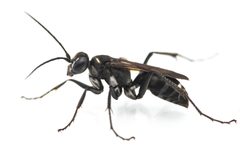
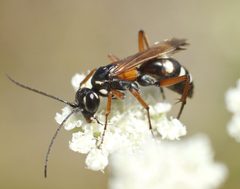
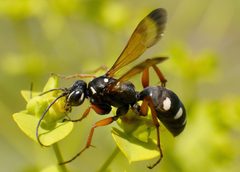
6Cryptocheilus is a of spider wasps in the Pepsinae, occurring primarily in warm regions worldwide. Females construct multicellular nests in pre-existing cavities, provisioning each with a paralyzed spider as food for their larvae. The genus includes approximately 24 in Europe, 6 in North America, and 2 recently described from the Neotropics. Several Australasian species formerly placed here have been transferred to the revived genus Heterodontonyx based on phylogenetic evidence.
Pronunciation
How to pronounce Cryptocheilus: /ˌkrɪptoʊˈkaɪləs/
These audio files are automatically generated. While they are not always 100% accurate, they are a good starting point.
Identification
Distinguished from other Pepsinae by a combination of morphological characters including details of wing venation, tarsal structure, and body proportions. Separation from the revived Heterodontonyx requires phylogenetic or detailed morphological analysis; several Australasian formerly in Cryptocheilus are now placed in Heterodontonyx. Species-level identification within Cryptocheilus generally requires examination of genitalia and other fine structural characters.
Images
Habitat
Open including heaths, meadows, and forest edges. Nests are constructed in pre-existing cavities such as hollow stems, holes in wood, or other sheltered spaces.
Distribution
Found in warmer regions worldwide. Documented from Europe (24 ), North America (6 species), and the Neotropics (2 recently described species). Several former members from Australasia now classified in Heterodontonyx.
Seasonality
Activity patterns vary by region; have been observed visiting flowers for nectar during blooming periods. Specific seasonal timing depends on local climate and .
Diet
feed on nectar. Larvae are provisioned with paralyzed spiders, which serve as their sole food source during development.
Host Associations
Life Cycle
Females construct multicellular nests in cavities. Each is provisioned with a single paralyzed spider and an . The larva consumes the spider and pupates within the cell. Developmental timing varies by and climate.
Behavior
Females hunt spiders, paralyzing them with a sting, then transport prey to nest cavities. of both sexes visit flowers for nectar. Males have been observed establishing territories around nectar sources, defending them from other males.
Ecological Role
of spiders, potentially influencing local spider . contribute to pollination through nectar feeding. Serve as prey or for other organisms in their native .
Human Relevance
Not known to be economically significant. Occasionally observed by naturalists and photographers at flowering plants. Some may be attracted to artificial light sources.
Similar Taxa
- HeterodontonyxFormerly included in Cryptocheilus; separated based on phylogenetic studies showing paraphyly of classic Cryptocheilus circumscription. Includes Australasian such as H. australis and H. bicolor.
- HemipepsisLarge spider wasps in same Pepsinae; often sympatric and similar in general appearance, but differ in structural details and nest construction .
- PepsisLarge, often brightly colored spider wasps in same ; includes famous 'tarantula hawks'; distinguished by morphological and behavioral characteristics.
More Details
Phylogenetic revision
The Cryptocheilus was recovered as in phylogenetic studies, leading to the revival of Heterodontonyx from synonymy for several Australasian . This revision affects species such as Heterodontonyx australis (Golden Spider Wasp) and H. bicolor (Orange Spider Wasp).
Nesting biology
Unlike some spider wasps that construct burrows in soil, Cryptocheilus utilize pre-existing cavities for nesting, which influences their associations and local distribution.