
Dasymutilla magna
(Cresson, 1865)
Dasymutilla magna is a of velvet ant in the Mutillidae, described by Cresson in 1865. Like other members of the , females are wingless and possess a powerful sting, while males are winged. The species belongs to a large Müllerian mimicry complex where numerous velvet ant species share bright aposematic coloration warning of their defensive capabilities. Specific biological details for this species remain poorly documented in published literature.
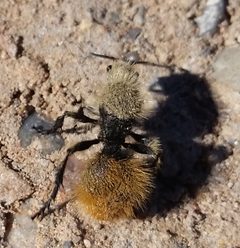
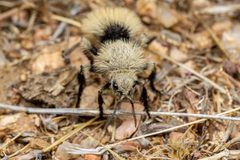
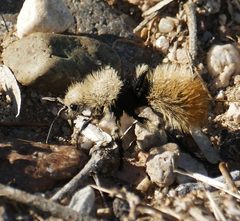
Pronunciation
How to pronounce Dasymutilla magna: //ˌdæsɪmjuːˈtɪlə ˈmægnə//
These audio files are automatically generated. While they are not always 100% accurate, they are a good starting point.
Identification
No specific diagnostic features for distinguishing Dasymutilla magna from are documented in the provided sources. The name "magna" suggests relatively large size within the , though this remains unverified. General Dasymutilla characters include: females wingless with dense velvety ; males winged with typically less conspicuous coloration; both sexes with thickened and ability to stridulate by rubbing abdominal segments together.
Images
Distribution
No specific geographic distribution records for Dasymutilla magna are contained in the provided sources. The Dasymutilla occurs across most of North America, with highest diversity in arid regions of the western United States and Mexico.
Similar Taxa
- Dasymutilla occidentalisLarger eastern North American velvet ant commonly called "cow killer"; shares bright aposematic coloration and wingless female
- Dasymutilla bioculataWidespread North American subject to recent taxonomic lumping; similar size range and preferences in arid and prairie environments
- Dasymutilla gloriosaExtreme sexual dichromatism with females covered in white thistledown-like setae; males typically colored; demonstrates range of morphological variation possible within
Sources and further reading
- BugGuide
- iNaturalist taxon
- NCBI Taxonomy
- Grasshoppers of Colorado
- Plains Lubber Grasshopper
- Bug Eric: Wasp Wednesday: Dasymutilla bioculata
- The gloriously dichromatic Dasymutilla gloriosa | Beetles In The Bush
- A sting to kill a cow? Red velvet ant, a.k.a. cow killer, Dasymutilla occidentalis — Bug of the Week
- Mutillidae | Beetles In The Bush