
Platygastrinae
Haliday, 1833
Genus Guides
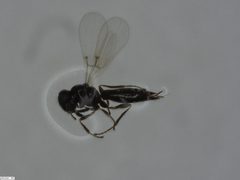
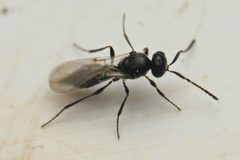
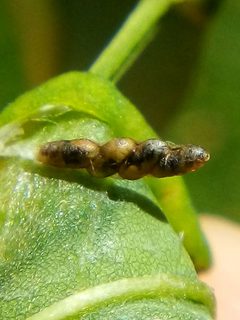
8Platygastrinae is a of minute in the Platygastridae. Members are characterized by their extremely small size, often under 2 mm, and specialized parasitoid targeting gall midges (Cecidomyiidae). The subfamily includes approximately 50+ , with Synopeas, Leptacis, and Platygaster being among the most studied. Many exhibit elongated metasomas, though the functional significance of this trait remains unknown. Several species have been documented as agents for agricultural pests, including the recently confirmed parasitoid of soybean gall midge, Synopeas ruficoxum.
Pronunciation
How to pronounce Platygastrinae: //ˌplætɪɡæsˈtrɪnaɪ//
These audio files are automatically generated. While they are not always 100% accurate, they are a good starting point.
Identification
Distinguished from Sceliotrachelinae and other platygastrid by a combination of morphological features including antennal structure, scutellar characteristics, and wing venation patterns. Some , such as Synopeas, possess a diagnostic short spine on the scutellum. -level identification requires examination under high magnification; molecular barcoding (COI) is increasingly used to confirm identifications where morphological characters are ambiguous. The elongate metasoma of certain species groups (e.g., Synopeas craterum group) provides a useful but not definitive diagnostic character.
Images
Appearance
Extremely small , typically 1–2 mm in body length. Body generally compact with reduced wing venation. Many , particularly in the Synopeas, possess an elongate metasoma that distinguishes them from related . Coloration typically dark (black or brown), though some species exhibit reddish or yellowish appendages. short, often with distinctive segmentation. Wings usually reduced in venation, with characteristic platygastrid wing structure.
Habitat
Associated with supporting their gall midge . Frequently found in agricultural fields, forests, and woodland edges. Specific microhabitats include freshly cut wood (oak logs, fallen branches), stems of herbaceous plants, and other substrates where gall midge larvae develop. have been observed attracted to volatile compounds emitted from damaged plant tissue, including fresh saw cuts in wood.
Distribution
distribution with records from North America (USA, Canada), Europe, South America (Chile, Venezuela, Colombia, Ecuador, Brazil), Australia, New Zealand, South Africa, and Asia (Java, India, Nepal, Burma). Specific distribution varies by ; many genera have restricted geographic ranges while others are widespread.
Seasonality
activity coincides with availability of gall midge larvae. In temperate regions, peak activity typically occurs during spring and summer when gall midge are active. Some associated with wood-boring gall midges (e.g., Xylodiplosis, Ledomyia) are attracted to fresh wood cuts in late spring and early summer.
Diet
do not feed; larvae are obligate endoparasitoids of gall midge (Cecidomyiidae) larvae.
Host Associations
- Cecidomyiidae - primary All members of Platygastrinae are assumed to parasitize gall midges; validated associations include Resseliella maxima (soybean gall midge), Ledomyia lugens, Xylodiplosis spp., and Lasioptera spp.
Life Cycle
Females oviposit into gall midge larvae or . Larval development is endoparasitic, with larvae consuming the host from within. Development is delayed in some : Synopeas larvae do not begin development until after the host larva leaves its feeding site in wood to pupate in soil. timing varies; in Synopeas, adults emerge approximately 14 days after unparasitized host adults. Some species appear to reproduce via , as males have never been recorded.
Behavior
are attracted to volatile chemical cues associated with damage, including fresh cuts in wood and presumably plant tissue damaged by gall midge feeding. This has been exploited by researchers and observers using saw cuts to attract . Females actively search for host larvae in concealed locations such as wood xylem vessels and plant stems. Some demonstrate host location behavior at freshly damaged plant tissue before hosts are visibly present, suggesting response to plant-derived .
Ecological Role
Important natural enemies of gall midges, providing in both natural and agricultural . rates in natural are typically moderate (approximately 5% in documented cases), though localized impacts may be significant. As specialized , they contribute to regulation of gall midge populations and may influence plant-gall midge interactions.
Human Relevance
Several have been identified as potential agents for agricultural pests, particularly the soybean gall midge (Resseliella maxima). Synopeas ruficoxum and S. maximum are under investigation for use in of soybean. The minute size and cryptic of these limit direct observation by non-, though they are increasingly documented through science platforms.
Similar Taxa
- SceliotrachelinaeFormerly classified together; distinguished by antennal structure, wing venation, and associations (Sceliotrachelinae parasitize whiteflies and other Sternorrhyncha rather than gall midges)
- Inostemmatinae (former concept)Previously treated as a separate , now synonymized; the formerly in Inostemmatinae have been reassigned to Platygastrinae or Sceliotrachelinae based on phylogenetic analysis
Misconceptions
The attraction of some to fresh saw cuts has led to speculation that this evolved in response to human activity; however, this likely reflects an ancestral response to volatile compounds from damaged wood, possibly originally associated with beaver activity or storm damage. The elongate metasoma of certain species was long of unknown function; it remains unclear whether this trait relates to oviposition, location, or .
Sources and further reading
- BugGuide
- Wikipedia
- iNaturalist taxon
- NCBI Taxonomy
- Catalogue of Life
- From Curiosity to Control: A New Wasp Joins the Fight Against Soybean Gall Midge
- From curiosity to control: A new wasp joins the fight against soybean gall midge | Blog
- Bug Eric: A One Millimeter Mystery
- Taxonomical studies on some genera and species of Platygastrinae (Hymenoptera: Proctotrupoidea)
- World Review and Keys to Genera of the Subfamily Inostemmatinae with Reassignment of the Taxa to the Platygastrinae and Sceliotrachelinae (Hymenoptera: Platygastridae)
- Host records of five species of Platygastrinae (Hymenoptera, Platygastroidea: Platygastridae) from the United States, with the description of two new species of Platygaster