Pamphiliinae
leaf-rolling sawflies
Genus Guides
3- Neurotoma
- Onycholyda
- Pamphilius(leaf-rolling sawflies)
Pamphiliinae is a of in the Pamphiliidae, commonly known as leaf-rolling sawflies. The group contains at least three : Neurotoma, Onycholyda, and Pamphilius. Larvae are characterized by solitary leaf-rolling on plants in the family Rosaceae. The subfamily has been documented across multiple provinces in China.
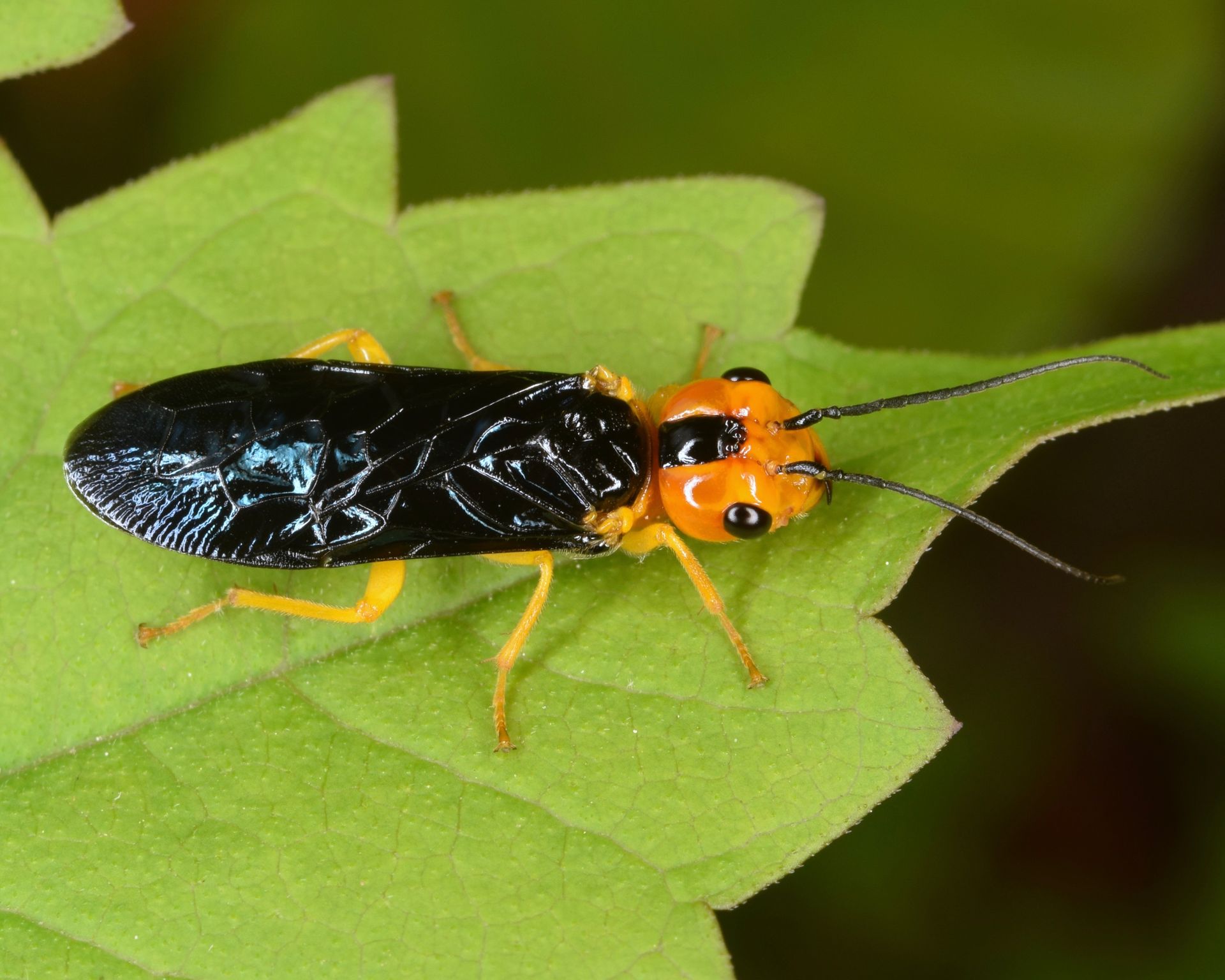
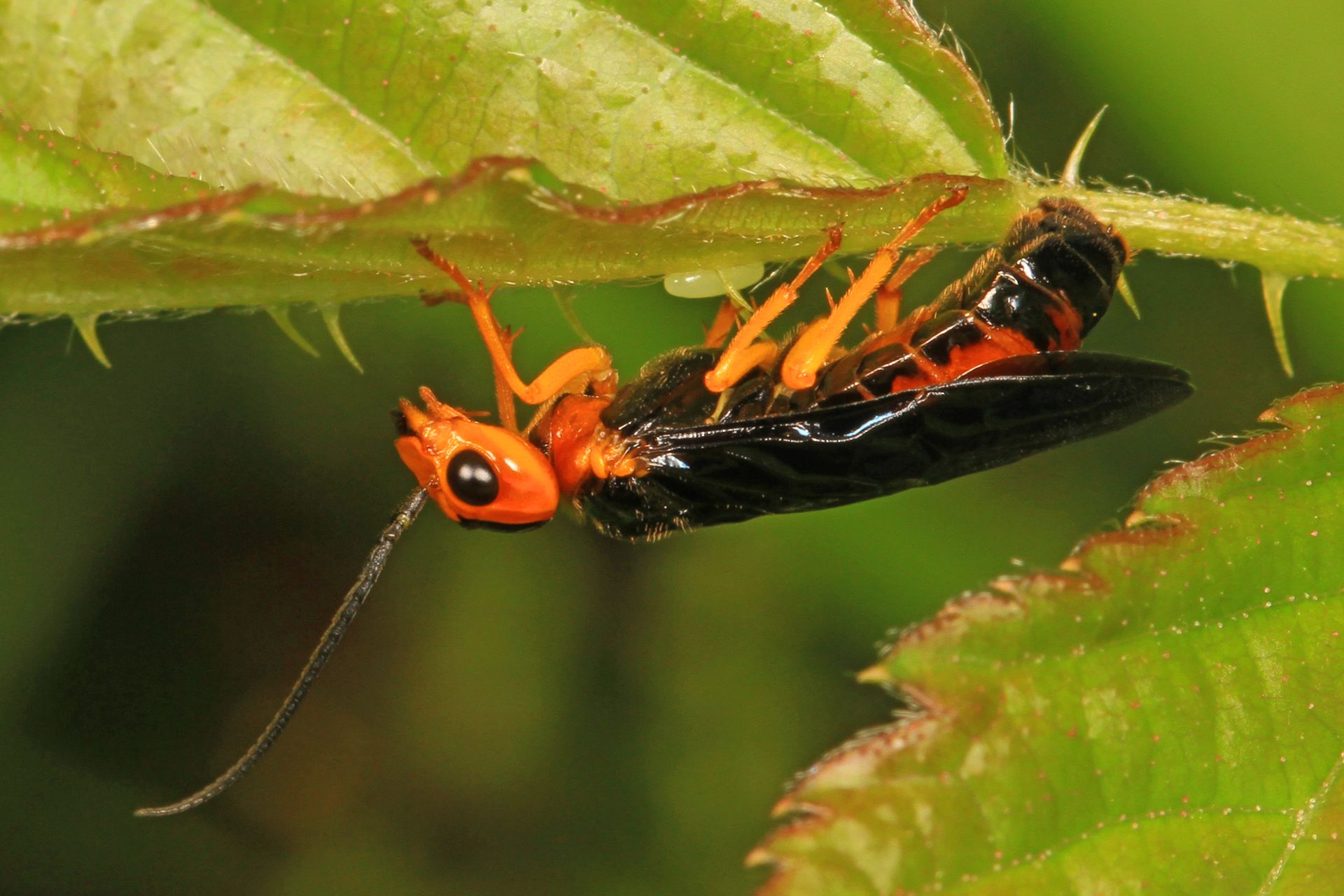
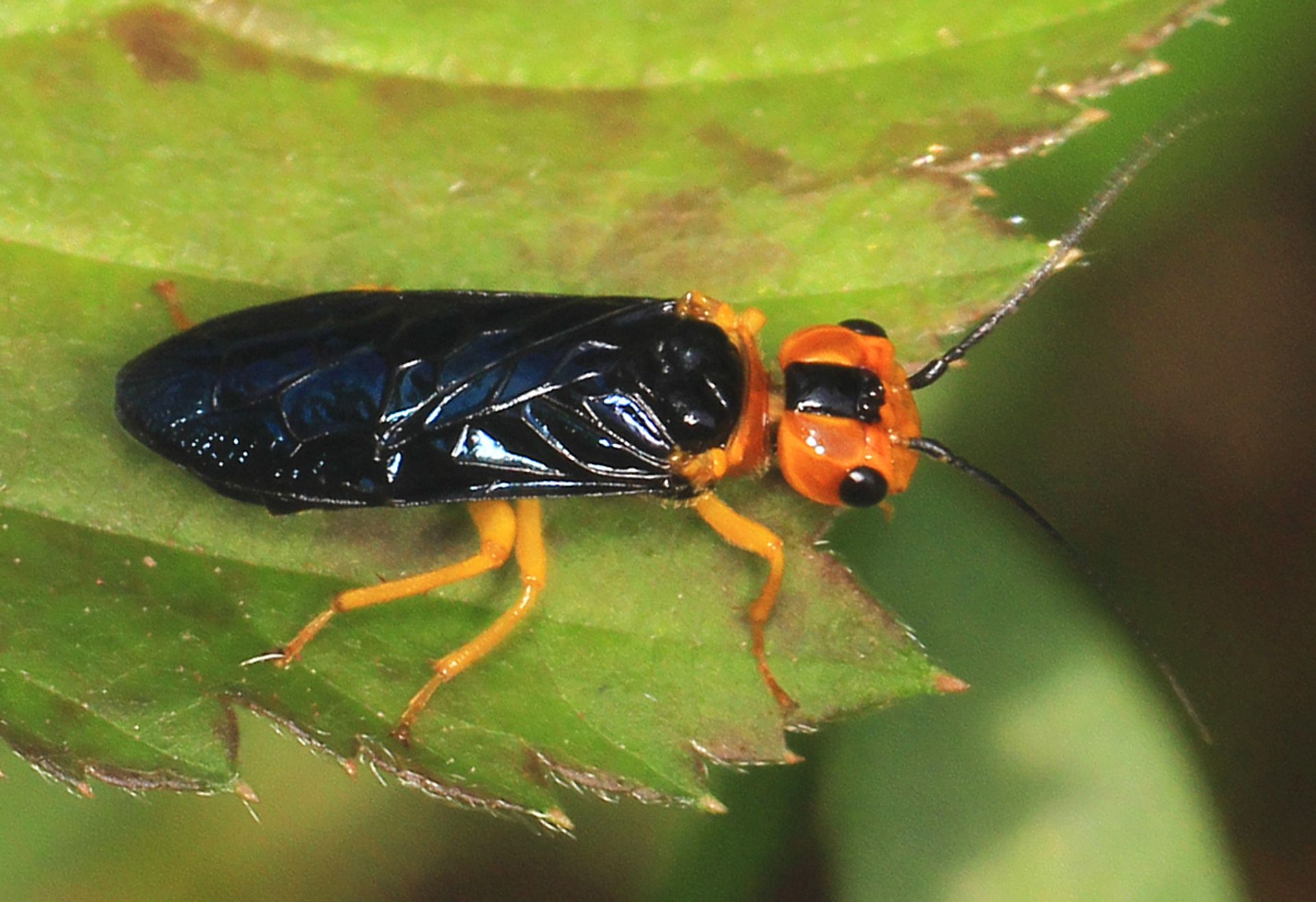
Pronunciation
How to pronounce Pamphiliinae: //pæmˈfɪli.aɪniː//
These audio files are automatically generated. While they are not always 100% accurate, they are a good starting point.
Identification
Members of this can be distinguished from other Pamphiliidae by the combination of morphological features used to separate the Neurotoma, Onycholyda, and Pamphilius. A key to these three genera and constituent has been published for Chinese fauna.
Images
Habitat
Mountainous forested areas, specifically documented from the Tianmushan Mountains in Zhejiang Province, China.
Distribution
China: Zhejiang Province (Tianmushan Mountains), Shaanxi Province, Hubei Province, Hunan Province, Jiangxi Province, Anhui Province, and Guangxi Zhuang Autonomous Region.
Host Associations
- Padus obtusata - larval Rosaceae; larva of Pamphilius padus feeds on this plant
- Rosa multiflora - larval Rosaceae; larva of Pamphilius palliceps feeds on this plant
- Rubus peltatus - Rosaceae; recorded as plant of Onycholyda atra based on oviposition observation
Behavior
Larvae feed singly, constructing leaf-rolls on plants. Oviposition has been observed directly on host plants.
More Details
New species described
Three new were described from China: Onycholyda atra (Zhejiang Province), O. fulvicornis (Shaanxi and Zhejiang provinces), and Pamphilius padus (Zhejiang Province).
New distribution records
Multiple received new provincial distribution records: Onycholyda shaanxiana (Hubei, Zhejiang, Guangxi), O. subquadrata (Zhejiang), O. tianmushana (Hunan, Jiangxi), Pamphilius palliceps (Anhui), P. lizejiani (Zhejiang), P. shengi (Hubei, Zhejiang), and P. qinlingicus (Zhejiang).