Megachile inermis
Provancher, 1888
Unarmed Leafcutter Bee
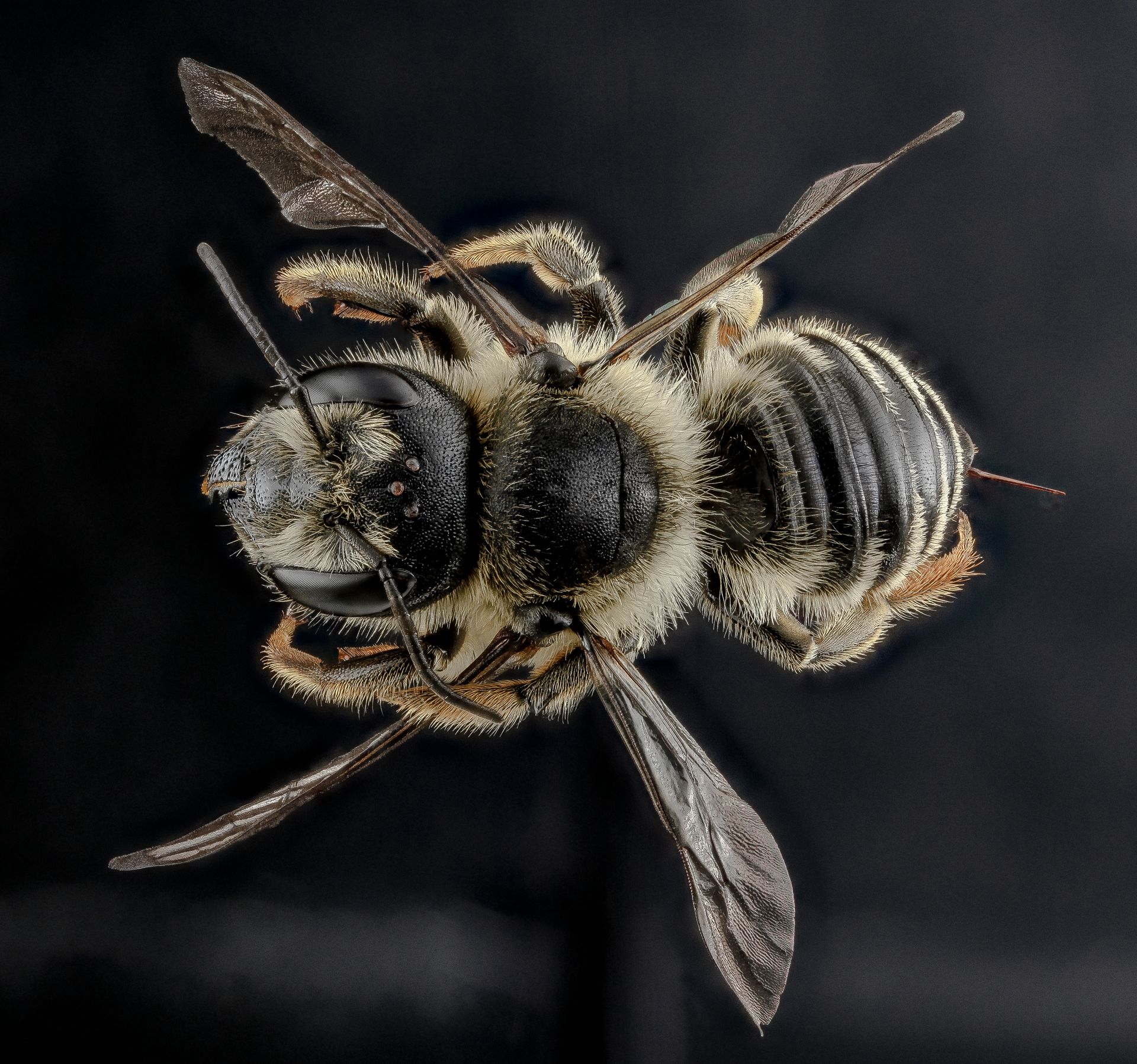
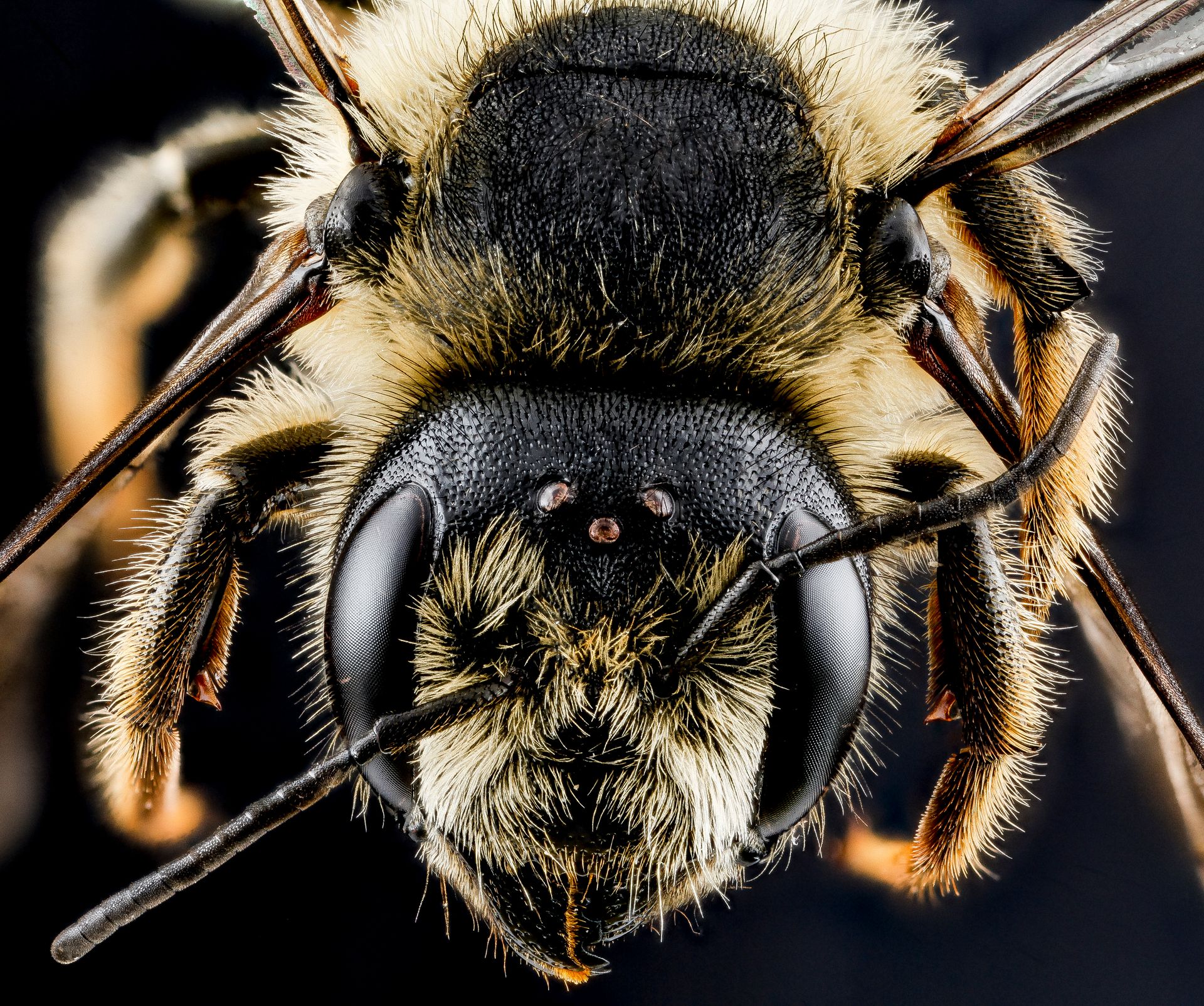
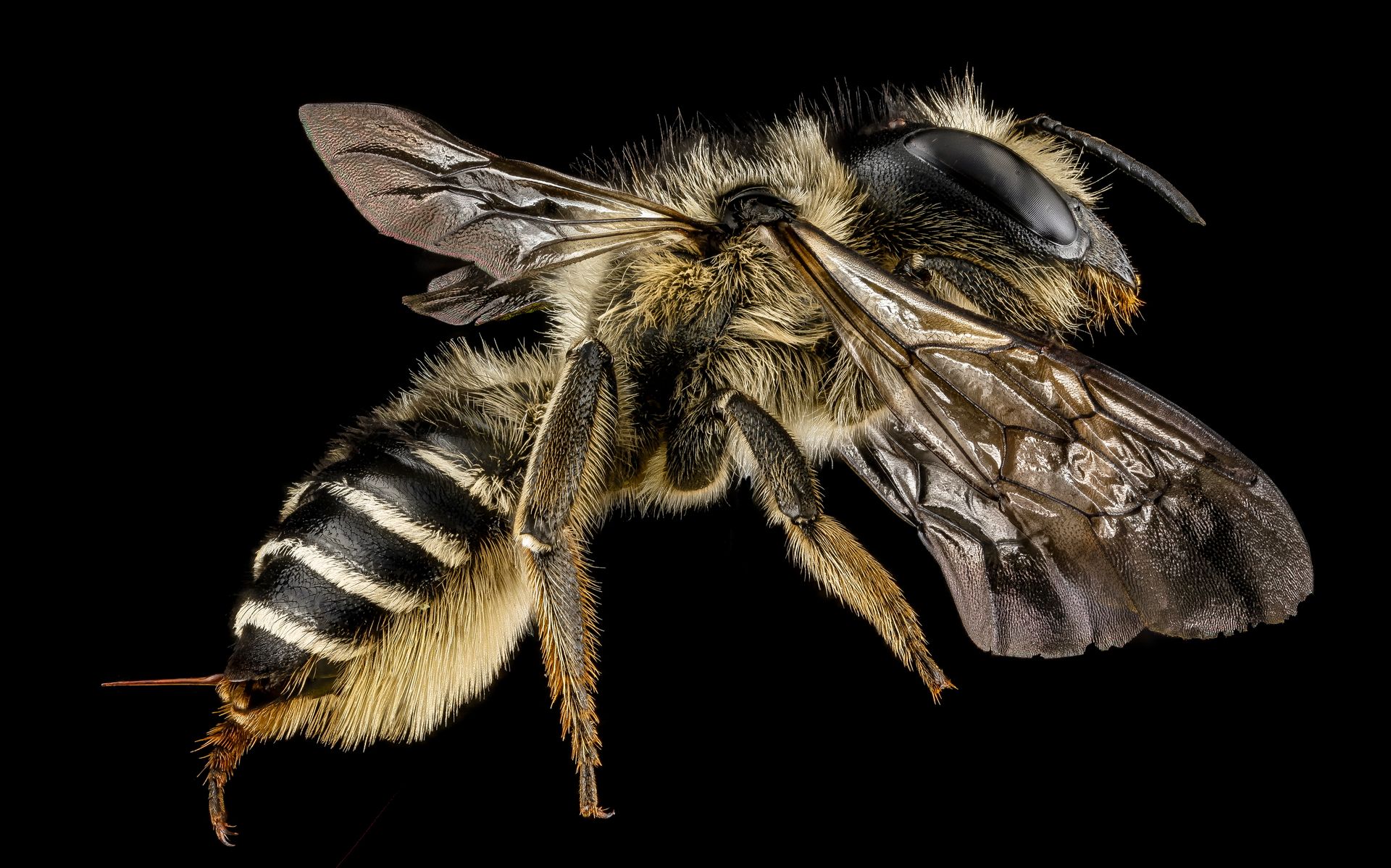
Megachile inermis is a solitary leafcutter bee described by Provancher in 1888. Unlike many Megachile that use pre-existing cavities, this excavates its own nesting tunnels in decayed poplar wood. It has been recorded from trap-nest studies in Saskatchewan, Manitoba, and Wisconsin, with a notable male-biased sex ratio in rearings.
Pronunciation
How to pronounce Megachile inermis: /ˌmɛɡəˈkaɪli ɪˈnɜrmɪs/
These audio files are automatically generated. While they are not always 100% accurate, they are a good starting point.
Identification
Distinguished from other Megachile by its nesting : excavates tunnels directly into decayed wood rather than using pre-existing holes or borer tunnels. Specific morphological diagnostic features are not documented in available sources.
Images
Habitat
Burnt-over or waste poplar stands; decayed poplar trees with sufficient softening to allow excavation. Nests in cracks, crevices, or exposed ends of logs. Accepts trap-nests with 5/16-inch (approximately 8mm) diameter holes; did not use 1/4-inch holes in one study.
Distribution
North America: recorded from Saskatchewan, Manitoba, Wisconsin, and Vermont.
Life Cycle
Nests contain 2–7 (average 4.2 cells per nest). Development occurs in individual cells within excavated tunnels. Rearings from multiple nests produced only males (13 males, 0 females), suggesting either male-biased sex ratio or differential survival in trap-nest conditions.
Behavior
Excavates own nesting tunnels in decayed poplar wood starting from cracks, crevices, or exposed log ends. Does not use existing borer tunnels.
Ecological Role
Presumed ; specific plant associations not documented.
Similar Taxa
- Megachile fidelisBoth are leafcutter bees in the same , but M. fidelis uses pre-existing cavities and cuts leaf pieces for nest lining, while M. inermis excavates its own tunnels in decayed wood.
- Megachile plutoBoth are Megachile , but M. pluto is dramatically larger (world's largest ), nests in active mounds lined with resin, and is restricted to Indonesian islands.
More Details
Nesting biology note
This shows flexible nesting , using both naturally decayed wood and artificial trap-nests of appropriate diameter. The failure to use 1/4-inch holes but acceptance of 5/16-inch holes suggests specific diameter preferences.
Sources and further reading
- BugGuide
- Wikipedia
- GBIF taxonomy match
- iNaturalist taxon
- NCBI Taxonomy
- Catalogue of Life
- Looking for Cheap Urban Real Estate | Bug Squad
- Grasshoppers of Colorado
- In Search of the World's Biggest Bee: How It Came to 'Bee' | Bug Squad
- Grasshoppers of Colorado
- Photographer Allan Jones Exudes Patience, Skill and Talent | Bug Squad
- The Most Incredible Image of a Leafcutter Bee | Bug Squad
- A Note on Megachile inermis Prov. in Trap-nests in Wisconsin (Hymenoptera: Magachilidae)