
Metopius
Panzer, 1806
Species Guides
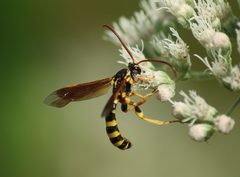
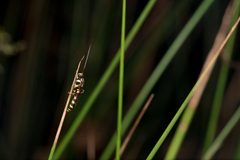
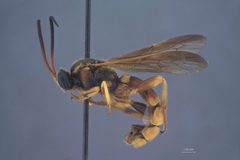
4Metopius is a of in the Metopiinae (Ichneumonidae). are large, conspicuous insects with bold black and yellow longitudinal striping, reaching over 2 cm in length. The genus is divided into subgenera including Metopius s.str. and Peltastes. are known to parasitize caterpillars of Lepidoptera, particularly those found in leaf rolls.
Pronunciation
How to pronounce Metopius: /mɛˈtoʊ.pi.us/
These audio files are automatically generated. While they are not always 100% accurate, they are a good starting point.
Identification
Distinguished from other Metopiinae by the combination of large body size, bold black and yellow striped pattern, and structural features of the subgenera. The subgenus Peltastes differs from Metopius s.str. in morphological characters detailed in taxonomic keys. Japanese can be identified using the keys provided in Kusigemati (1985) and subsequent revisions.
Images
Appearance
Large ichneumon wasps exceeding 2 cm in length. Body marked with conspicuous black and yellow longitudinal stripes. The striking color pattern has been suggested to mimic potter wasps (Vespidae: Eumeninae).
Habitat
Associated with supporting Lepidoptera larvae in leaf rolls, including forests and wooded areas where caterpillars occur.
Distribution
distribution with records from Europe (Denmark, Norway, Sweden), Asia (Japan with multiple ), and other regions globally.
Host Associations
- Lepidoptera - laid inside caterpillars found in leaf rolls; emerge from pupa
Life Cycle
Females lay inside caterpillars of Lepidoptera. Development occurs within the , with emerging from the pupal stage of the host.
Behavior
produce a buzzing noise when captured. Females search for caterpillars concealed in leaf rolls.
Ecological Role
of Lepidoptera caterpillars, contributing to of and larvae.
Similar Taxa
- Potter wasps (Eumeninae)Color pattern similarity; Metopius black and yellow stripes may represent mimicry of these vespid
More Details
Subgeneric classification
The contains subgenera Metopius s.str. (Panzer) and Peltastes (Illiger), with Japanese fauna including two of the former and six of the latter. Taxonomic revisions have established new synonyms and distribution records for the Japanese fauna.