
Atrophini
Genus Guides
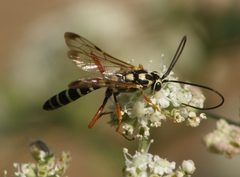
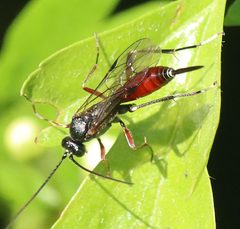
9Atrophini is a tribe of ichneumon wasps within the Anomaloninae. Members are , with females laying in or on insects. The tribe is moderately well-represented in collections and observations, with over 4,000 records documented on iNaturalist. Atrophini wasps are morphologically characterized by features of the fore wing venation and ovipositor structure.
Pronunciation
How to pronounce Atrophini: /æˈtrɑːfəˌnaɪ/
These audio files are automatically generated. While they are not always 100% accurate, they are a good starting point.
Identification
Atrophini can be distinguished from related tribes in Anomaloninae by fore wing with areolet absent or reduced, and by the structure of the ovipositor which is typically long and slender. The propodeum often has distinct carination. These generally lack the strongly modified hind legs seen in some other Anomaloninae tribes.
Images
Habitat
Found in a variety of terrestrial including forests, woodlands, and shrublands. Occurs in both temperate and tropical regions where suitable are present.
Distribution
Documented from multiple continents including North America, Europe, Asia, and Australia. Distribution follows that of availability within suitable climatic zones.
Diet
Larval stages are , feeding internally on insects. Specific host associations are documented for some but remain incompletely known for the tribe as a whole.
Life Cycle
Complete with , larval, pupal, and stages. Larvae develop as endoparasitoids within insects, eventually killing the host. Adults emerge from host remains or pupate externally.
Behavior
Females search for insects and use the ovipositor to deposit . may be found visiting flowers for nectar or searching vegetation for hosts.
Ecological Role
Acts as agents by parasitizing other insects, potentially regulating of pest . Specific ecological impacts depend on associations of individual species.
Human Relevance
Some may contribute to natural of agricultural or forestry pests, though specific documented cases are limited. Not known to sting humans or pose direct threats.
Similar Taxa
- GravenhorstiiniAnother tribe in Anomaloninae; distinguished by differences in fore wing venation and propodeal structure
- AnomaloniniTribe in same ; differs in wing venation patterns and often in body proportions
More Details
Taxonomic History
Atrophini has been classified within Anomaloninae based on morphological synapomorphies, though tribal boundaries and relationships within the continue to be refined through molecular studies.
Research Needs
associations for many remain poorly documented, and molecular phylogenetic studies are needed to clarify relationships within the tribe and validate generic limits.