
Diradops
Townes, 1946
Species Guides
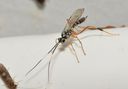
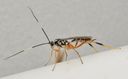
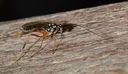
1Diradops is a of ichneumonid wasps in the Banchinae, containing at least 35 . Species in this genus are of lepidopteran larvae, with documented associations including the fall webworm (Hyphantria cunea) and Heterocampa manteo. The genus occurs in the Nearctic region and Mexico, where several species have been described in recent taxonomic revisions.
Pronunciation
How to pronounce Diradops: //daɪˈrædɒps//
These audio files are automatically generated. While they are not always 100% accurate, they are a good starting point.
Images
Habitat
Pecan orchards (Carya illinoiensis) have been documented as where at least one was reared from nests. The is associated with environments where lepidopteran hosts occur.
Distribution
Mexico (where multiple are common and well-documented); Nearctic region including the United States (Vermont confirmed); Rica (where specimens were previously misidentified).
Host Associations
- Hyphantria cunea - Reared from web nests on pecan; D. hyphantriae specifically associated
- Heterocampa manteo - D. bethunei documented to parasitize this
- Carya illinoiensis - plant of lepidopteran hostPecan trees where H. cunea nests were collected
Behavior
Diradops bethunei has been observed to reduce larval capsule size in its Heterocampa manteo, indicating a morphological impact on host development.
Ecological Role
agent of lepidopteran pests, particularly the fall webworm (Hyphantria cunea) in pecan orchards.
Human Relevance
Potential biocontrol agent for agricultural pests; D. hyphantriae has been noted as very common in Mexican pecan-growing regions.
Sources and further reading
- BugGuide
- Wikipedia
- GBIF taxonomy match
- iNaturalist taxon
- NCBI Taxonomy
- Catalogue of Life
- A new species of Diradops Townes from Mexico (Hymenoptera: Ichneumonidae: Banchinae), a parasitoid of Hyphantria cunea (Drury) (Lepidoptera: Arctiidae), with notes on Diradops mexicanus (Cresson)
- Review of Mexican species of Diradops Townes, with a key and description of a new species (Hymenoptera: Ichneumonidae: Banchinae)
- Determination of Larval Instars of Heterocampa manteo1 and Reduction of Larval Head Capsule Size by the Parasitoid Diradops bethunei2,3