Trichomma
Wesmael, 1849
Species Guides
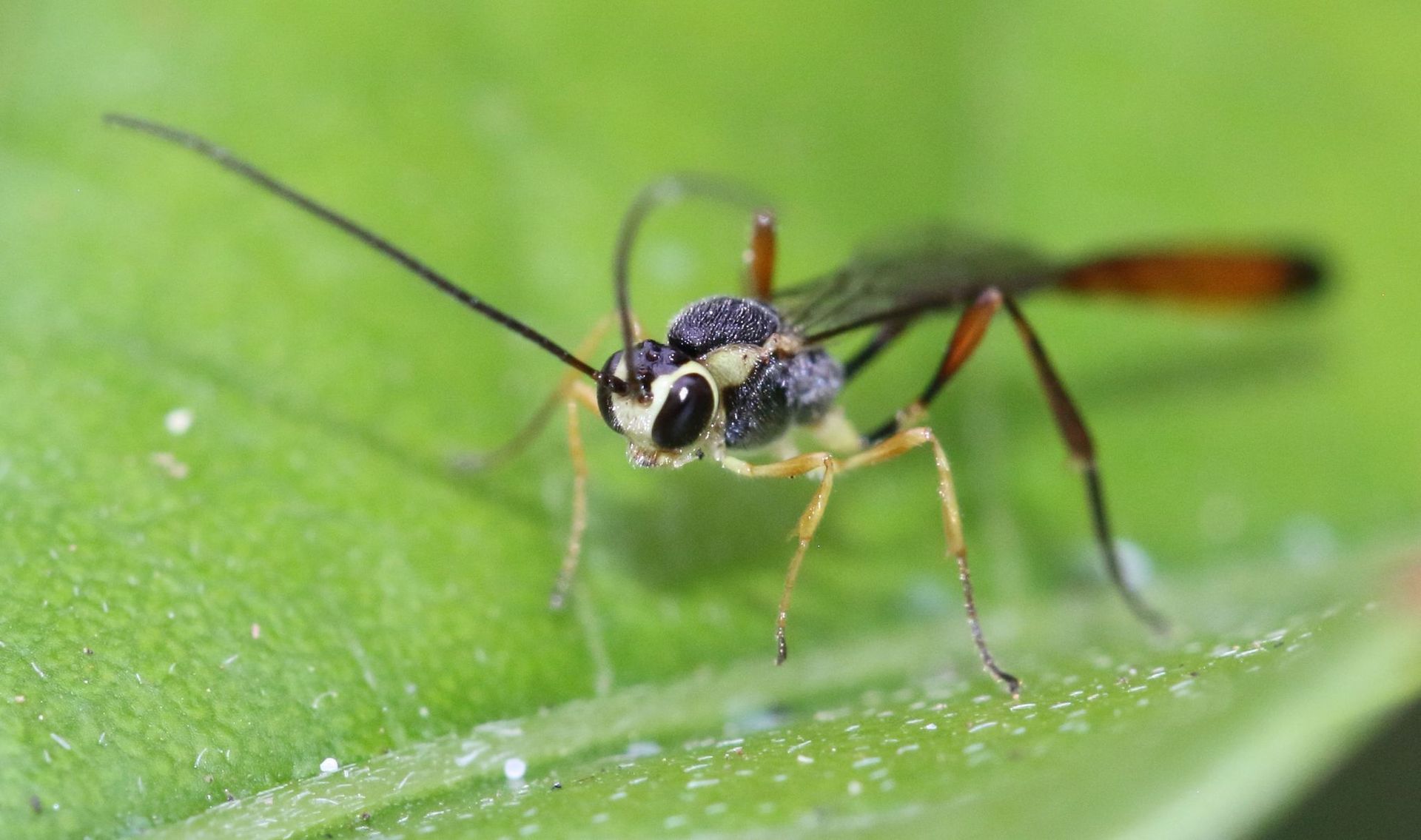
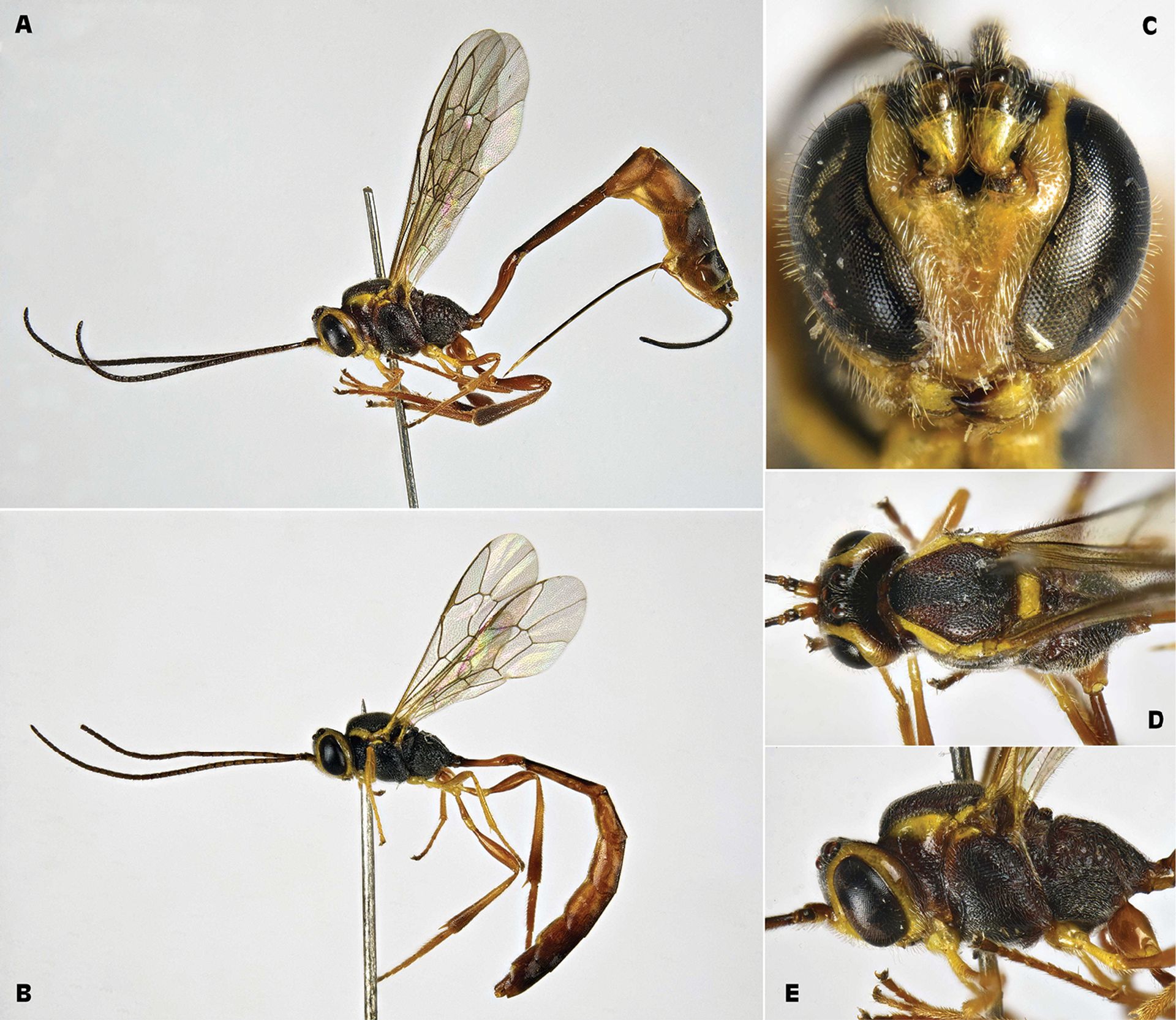
1Trichomma is a of in the Ichneumonidae, Anomaloninae. The genus has an almost distribution, with records spanning the Indian subcontinent, Brazil, Scandinavia, and other regions. within this genus are known to parasitize lepidopteran , including pyralid and tortricid moths. The genus was established by Wesmael in 1849 and contains approximately 30 described species.
Pronunciation
How to pronounce Trichomma: /trɪˈkɒmə/
These audio files are automatically generated. While they are not always 100% accurate, they are a good starting point.
Identification
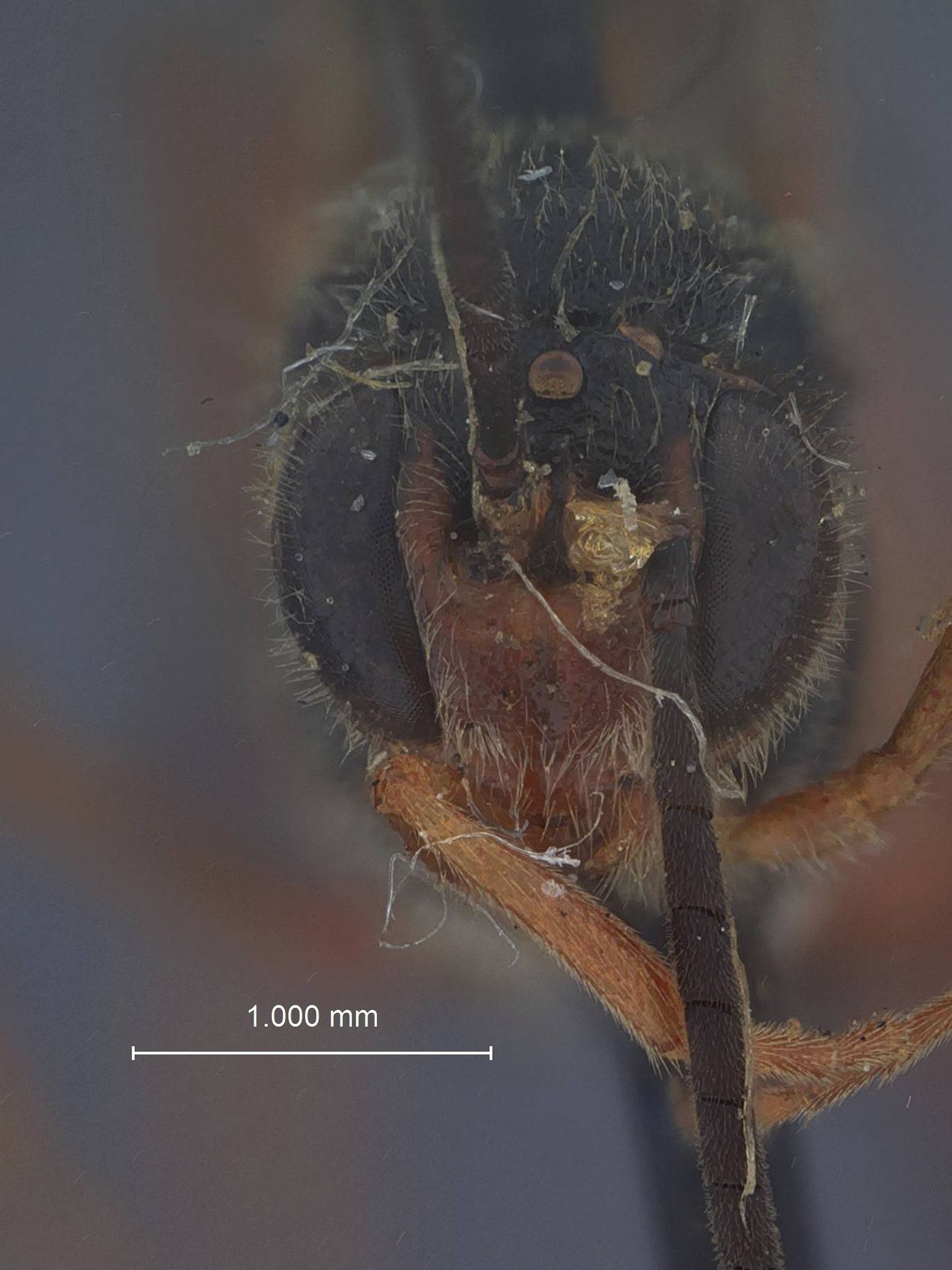
Members of Trichomma can be distinguished from other Anomaloninae by features of the cephalic capsule in final-instar larvae, which have been described for some . identification relies on standard ichneumonid morphological characters; specific diagnostic features for the require examination. The genus is placed in Anomaloninae based on phylogenetic and morphological criteria.
Images
Distribution
Almost . Documented from the Indian subcontinent, Brazil (Neotropical region), and Scandinavia (Denmark, Norway, Sweden). The first Brazilian record expanded the known Neotropical distribution.
Host Associations
- Dioryctria abietella - Pyralidae; of T. dioryctri
- Eucosma pylonitis - Tortricidae; of T. dioryctri
Life Cycle
Final-instar larvae possess characteristic cephalic capsules that have been described for some .
Ecological Role
of lepidopteran larvae, contributing to natural of .
Similar Taxa
- Other Anomaloninae generaTrichomma shares characteristics with other Anomaloninae; differentiation requires examination of larval cephalic capsule and structural details
More Details
Taxonomic history
The Trichomma was established by Wesmael in 1849. Indian were revised in 1976, resulting in the description of T. dioryctri. The first Brazilian record, T. intervalensis, was described in 2025, expanding the genus's known range in the Neotropical region.
Species diversity
Approximately 30 have been described, including T. enecator (Rossi, 1790), T. fulvidens (Wesmael, 1849), T. maceratum (Cresson, 1879), and numerous species described by Wang (1985, 1988, 1997), Dasch (1984), and Gauld (1976, 1978).
Sources and further reading
- BugGuide
- Wikipedia
- GBIF taxonomy match
- iNaturalist taxon
- NCBI Taxonomy
- Catalogue of Life
- Notes on the species of Trichomma Wesmael (Hymenoptera, Ichneumonidae) occurring in the indian subcontinent
- First record of the genus Trichomma Wesmael (Hymenoptera, Ichneumonidae) from Brazil with description of a new species