
Habronyx
Förster, 1869
Species Guides
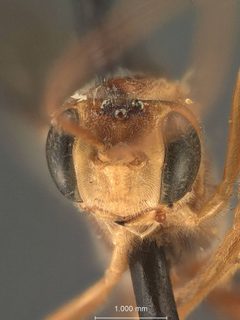
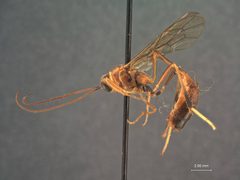
1Habronyx is a of in the Ichneumonidae. are approximately 30 mm in length. in this genus are internal parasitoids of Lepidopteran larvae, with females laying inside caterpillars using their ovipositor. The genus contains over 50 described species distributed across Europe, Australia, and the Americas.
Pronunciation
How to pronounce Habronyx: /hæbroʊnɪks/
These audio files are automatically generated. While they are not always 100% accurate, they are a good starting point.
Identification
Males can be distinguished from some related by the spined ; certain other genera possess a smooth aedeagus. -level identification requires examination of morphological characters not detailed in available sources.
Images
Appearance
of most are approximately 30 mm in length. Like all ichneumonids, males possess genitalia consisting of a capsule formed by two lateral gonosquamae. The membranous part of the bears small spines, a feature shared with several related .
Distribution
Recorded from Europe, Australia, and North and South America. The has been documented in Peru and Ecuador, representing new country records. Absent from the Afrotropical realm. GBIF records confirm presence in Denmark, Norway, and Sweden.
Host Associations
- Paracles tapina (Erebidae: Arctiinae) - Reared from this for H. (Habronyx) nigrofasciata; first documented host record for the in the region
Life Cycle
consist of an equatorial disc and caudal stalk, thought to function in attachment to the caterpillar's . Larvae develop internally within the host, consuming it from the inside, and emerge as from the deceased caterpillar.
Behavior
Females pierce Lepidopteran larvae with their ovipositor to deposit internally.
Ecological Role
Internal of Lepidopteran larvae. Functions as a agent of caterpillar .
Similar Taxa
- Other Anomaloninae genera with smooth aedeagusHabronyx males possess spines on the membranous part of the , distinguishing them from with smooth aedeagus
More Details
Egg morphology
The distinctive shape—equatorial disc with caudal stalk—is considered an for attachment within the caterpillar.