
Proceratiinae
Emery, 1895
Proceratiine Ants
Genus Guides
2- Discothyrea
- Proceratium(Hairy Curltail Ants)
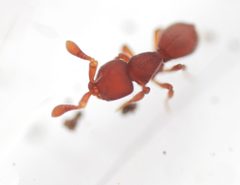
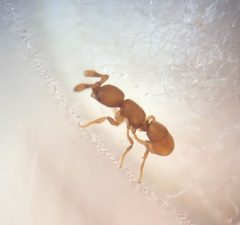
Proceratiinae is a of ants in the poneromorph group, established by Barry Bolton in 2003 when Ponerinae was divided into six subfamilies. It contains three extant —Discothyrea, Proceratium, and Probolomyrmex—plus one extinct genus (Bradoponera). Most are tropical or subtropical with worldwide distribution. These ants are characterized by their cryptobiotic lifestyle, small colony sizes, and specialized predatory habits.
Pronunciation
How to pronounce Proceratiinae: /proʊˈsɛrəˌtaɪˌnaɪ/
These audio files are automatically generated. While they are not always 100% accurate, they are a good starting point.
Identification
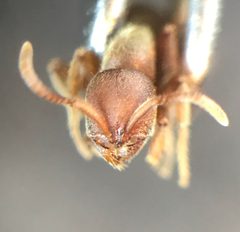
Distinguished from similar Ponerinae by the promesonotal and elevated (rather than transverse) frontal lobes. The exposed antennal sockets in full- view and the characteristic vaulted abdominal tergite 4 with reduced sternite 4 provide additional diagnostic characters. Colonies typically contain fewer than 100 individuals.
Images
Habitat
Primarily tropical and subtropical forest . Discothyrea inhabit leaf litter, decaying logs, and soil interstices; found in native vegetation with varying degrees of anthropogenic influence depending on species. Proceratium species occupy similar cryptic microhabitats with cryptobiotic lifestyle.
Distribution
Worldwide distribution with concentration in tropical and subtropical regions. Discothyrea: southern United States to northern Argentina, primarily Neotropical; also recorded from Atlantic Forest of Brazil. Proceratium: global in tropical and temperate regions; New World distribution from southern Canada to southern Brazil and Caribbean islands. Probolomyrmex: Neotropical region.
Diet
. Discothyrea feed almost exclusively on , particularly those of and spiders; also known to take Tenebrio molitor larvae. General predatory habit inferred for based on -level documentation.
Life Cycle
Colonies generally contain fewer than 100 individuals. In Discothyrea, are very small (0.2–0.5 mm). Detailed developmental stages and reproductive not documented at level.
Behavior
Cryptobiotic lifestyle with inconspicuous nests. Discothyrea considered rare in collections due to small colony size, very small dimensions, and limitations of standard sampling techniques. Not associated with twigs from tree branch fragmentation.
Ecological Role
Important components of fauna. Discothyrea considered good ecological indicators, playing fundamental roles in evolutionary of to changing land uses.
Similar Taxa
- PonerinaeSimilar general but distinguished by transverse (not elevated) frontal lobes and unfused promesonotal
More Details
Systematic History
created in 2003 by Barry Bolton's revision of Ponerinae. Divided into two tribes: Proceratiini (Discothyrea, Proceratium, Bradoponera) and Probolomyrmecini (Probolomyrmex).
Collecting Difficulty
All three extant are rarely collected due to cryptic habits, small colony sizes, and very small size in some lineages. Standard sampling techniques often fail to detect them.
Sources and further reading
- BugGuide
- Wikipedia
- iNaturalist taxon
- NCBI Taxonomy
- Catalogue of Life
- Contribution to the Knowledge of the Genus Proceratium Roger (Hymenoptera: Formicidae: Proceratiinae) in the New World
- What do different landscapes of the Atlantic Forest reveal about the occurrence of Discothyrea Roger, 1863 (Formicidae: Proceratiinae)?
- Taxonomic revision of the genus Probolomyrmex Mayr, 1901 (Hymenoptera: Formicidae: Proceratiinae) for the Neotropical Region