
Crematogastrini
Forel, 1893
Genus Guides
12- Anergates
- Cardiocondyla(Sneaking Ants)
- Carebara(Marauder Ants)
- Crematogaster(Acrobat Ants)
- Formicoxenus(Guest Ants)
- Leptothorax(Thin Ants)
- Myrmecina(Mite-eating Ants)
- Nesomyrmex
- Protomognathus
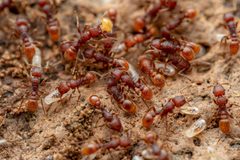
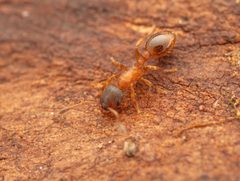
Crematogastrini is a tribe of ants within the Myrmicinae, comprising approximately 64 extant and 8 fossil genera. Members of this tribe are distributed globally and exhibit considerable morphological and ecological diversity. The tribe includes the well-known genus Crematogaster, which is among the most -rich genera worldwide. Crematogastrini ants are primarily arboreal or ground-nesting, with many species establishing mutualistic relationships with plants and other insects.
Pronunciation
How to pronounce Crematogastrini: /kɹɛˌmætoʊɡæsˈtɹaɪni/
These audio files are automatically generated. While they are not always 100% accurate, they are a good starting point.
Identification
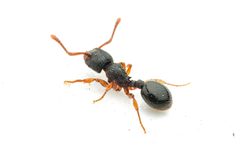
Crematogastrini is distinguished from other myrmicine tribes primarily by a combination of mandibular and clypeal characters, though precise tribal-level diagnostic features require expert examination. The tribe includes with highly variable , from the compact, -shaped of Crematogaster to more elongate forms in other genera. generally possess a well-developed sting and a distinct postpetiole. Identification to genus level is necessary for practical field recognition, as no single visual character unifies all Crematogastrini at the tribal level.
Images
Habitat
range from tropical rainforest to temperate ground nests, reflecting the ecological breadth of constituent . Many are arboreal, nesting in dead wood, hollow stems, or constructed carton nests on vegetation. Others occupy soil, leaf litter, or rotting logs. The tribe shows highest diversity in tropical and subtropical regions.
Distribution
Global distribution with greatest diversity in tropical regions, particularly the Neotropics, Afrotropics, and Indo-Malayan region. Present on all continents except Antarctica.
Similar Taxa
- MyrmiciniBoth are tribes within Myrmicinae; Myrmicini includes the Myrmica and is distinguished by different mandibular and petiole structure, though definitive separation requires detailed morphological examination.
- AttiniAnother myrmicine tribe containing the fungus-growing ants; Attini possess specialized adaptations for fungal not found in Crematogastrini, including modified cuticular crypts for carrying symbiotic fungi.
- PheidoliniA myrmicine tribe with overlapping geographic ranges; Pheidolini typically exhibit different clypeal and antennal structures, and often show reduced sting development compared to many Crematogastrini.
More Details
Taxonomic composition
The tribe encompasses substantial generic diversity, with Crematogaster representing the most -rich . Recent molecular phylogenetic studies have clarified relationships within the tribe, though some generic boundaries remain under revision.
Fossil record
Eight fossil are recognized, providing evidence for Crematogastrini diversification extending back at least to the Eocene epoch.