Formica gnava
Buckley, 1866
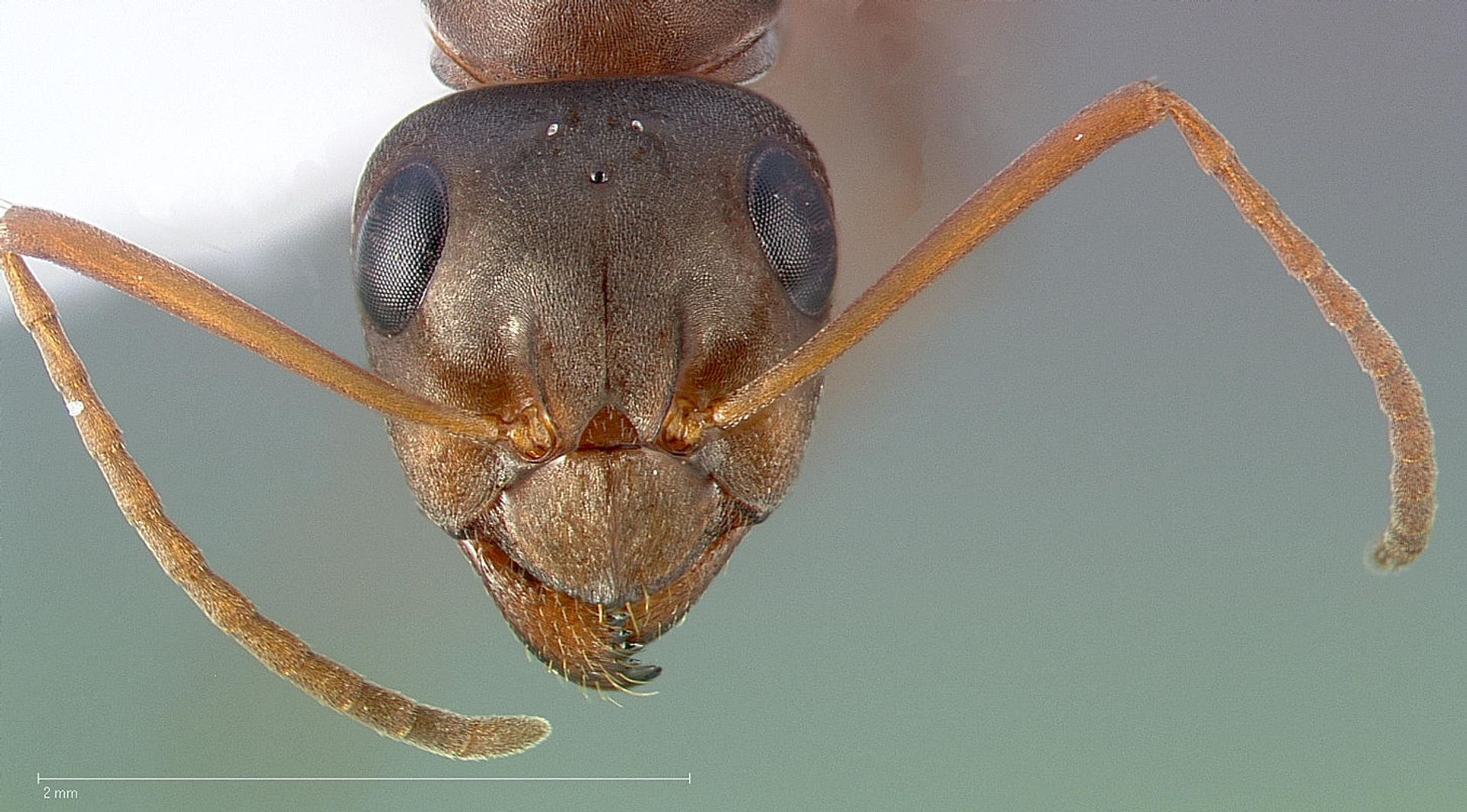
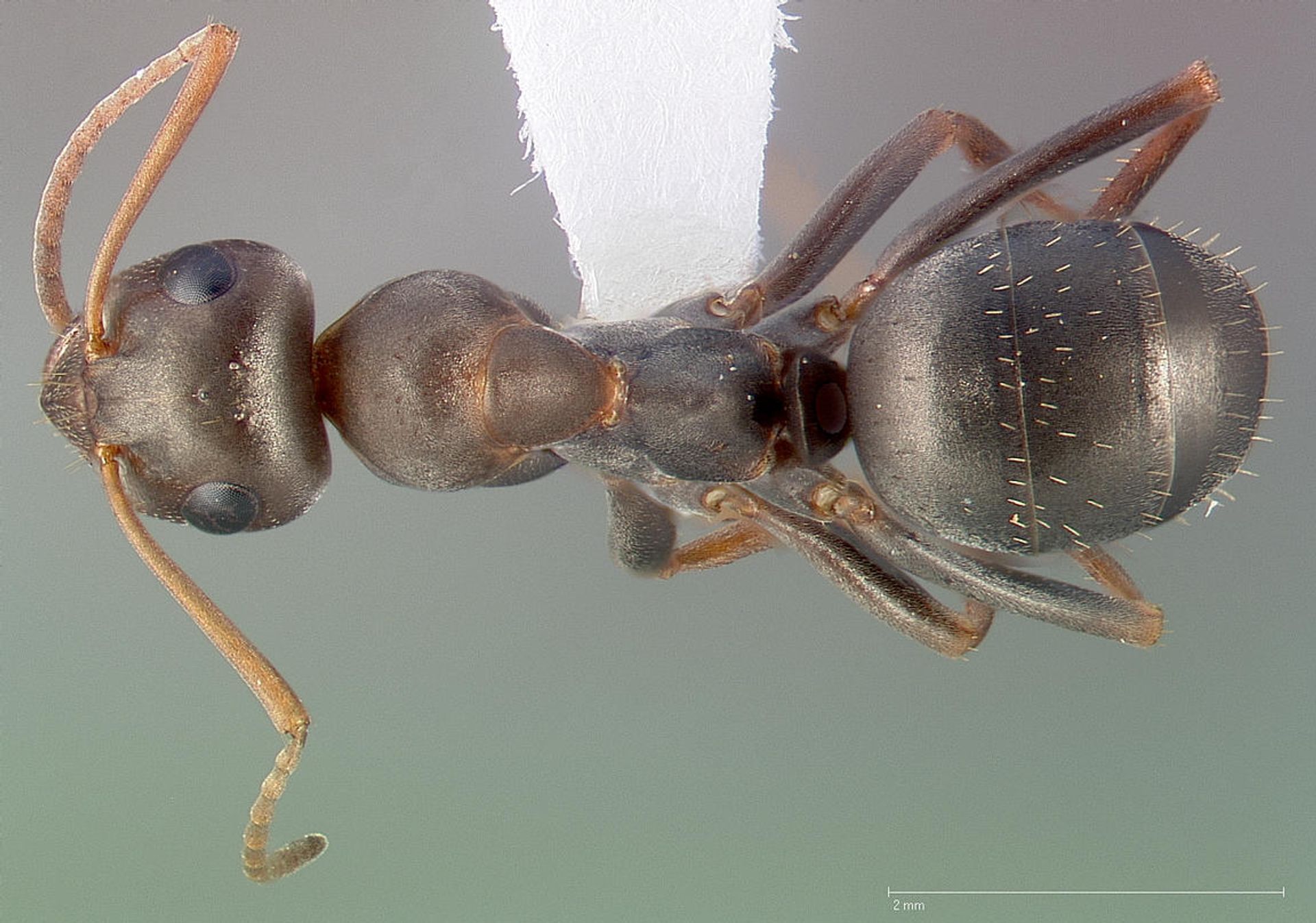
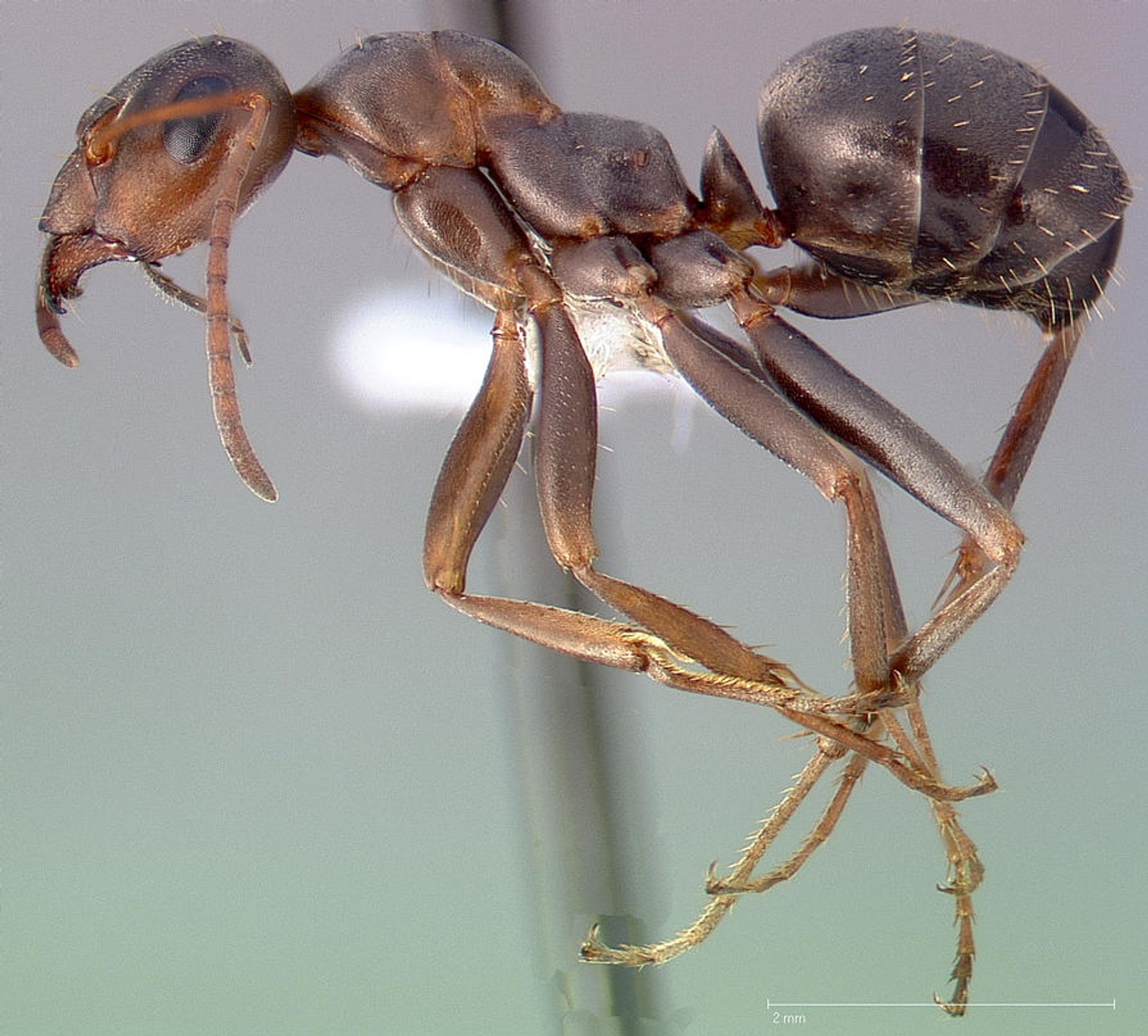
Formica gnava is a of in the Formica, Formicidae. It serves as a species for the obligatory slave-making ant Polyergus breviceps, with its being enslaved to rear Polyergus offspring in mixed-species nests. The species exhibits strong nestmate recognition, with workers preferentially adopting pupae and rejecting or consuming pupae of other host species. Free-living workers show lower adoption rates of pupae compared to enslaved workers.
Pronunciation
How to pronounce Formica gnava: //ˈfɔr.mɪ.kə ˈnɑː.və//
These audio files are automatically generated. While they are not always 100% accurate, they are a good starting point.
Identification
Formica gnava is a large black . Distinguishing features from similar Formica require examination of morphological characters such as punctation, clypeal structure, and scape pilosity. As a of Polyergus breviceps, colonies may be found in association with this slave-making species.
Images
Host Associations
- Polyergus breviceps - /slave-makerObligatory slave-making that enslaves F. gnava to rear its offspring
- Formica occulta - sympatric Co-occurs with F. gnava as for P. breviceps; F. gnava reject F. occulta pupae
Behavior
exhibit strong nestmate discrimination, preferentially adopting pupae and ignoring or consuming pupae of other . Enslaved workers show higher adoption rates of pupae than free-living workers. Workers are more likely to adopt parasite pupae that carry odor from conspecific host nests.
Similar Taxa
- Formica occultaSympatric for Polyergus breviceps; distinguished by F. gnava ' rejection of F. occulta pupae
More Details
Host-parasite chemical ecology
Adoption of Polyergus breviceps pupae by F. gnava is influenced by the odor profile acquired from nests. Pupae from nests where the host was to test workers were adopted in greater numbers, indicating the importance of chemical cues in host- interactions.
Sources and further reading
- BugGuide
- Wikipedia
- GBIF taxonomy match
- iNaturalist taxon
- NCBI Taxonomy
- Catalogue of Life
- Held Without R-ant-som: The Kidnapper Ant That Steals Workers From 20 Other Species
- Bug Eric: Raid of the Slave-makers
- Revision of the Formicidae of North America | Beetles In The Bush
- Responses of Two Potential Host Species (Formica gnava and Formica occulta) to Pupae of the Obligatory Slave-Making Ant, Polyergus breviceps (Hymenoptera: Formicidae)