Formicini
Latreille, 1802
Genus Guides
2Formicini is a tribe of ants within the Formicinae, established by Latreille in 1802. The tribe includes approximately 13 extant and 5 extinct , with Formica representing the most -rich genus. Notable members include the slave-making genera Polyergus and Rossomyrmex, which practice dulotic social by raiding nests of related species. The tribe exhibits diverse ecological strategies across temperate and arid regions of the Northern Hemisphere.
Pronunciation
How to pronounce Formicini: //fɔrˈmɪkɪni//
These audio files are automatically generated. While they are not always 100% accurate, they are a good starting point.
Identification
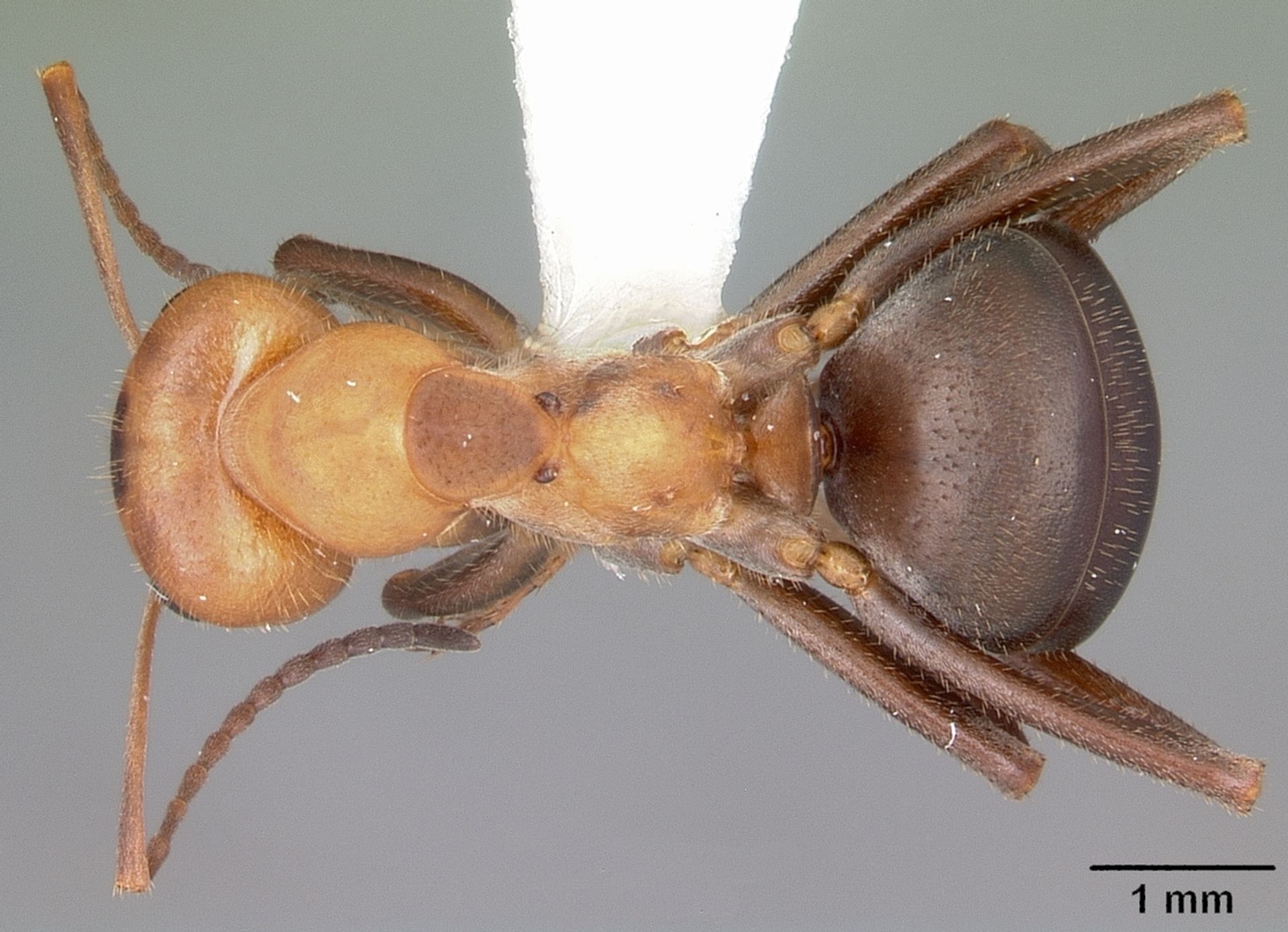
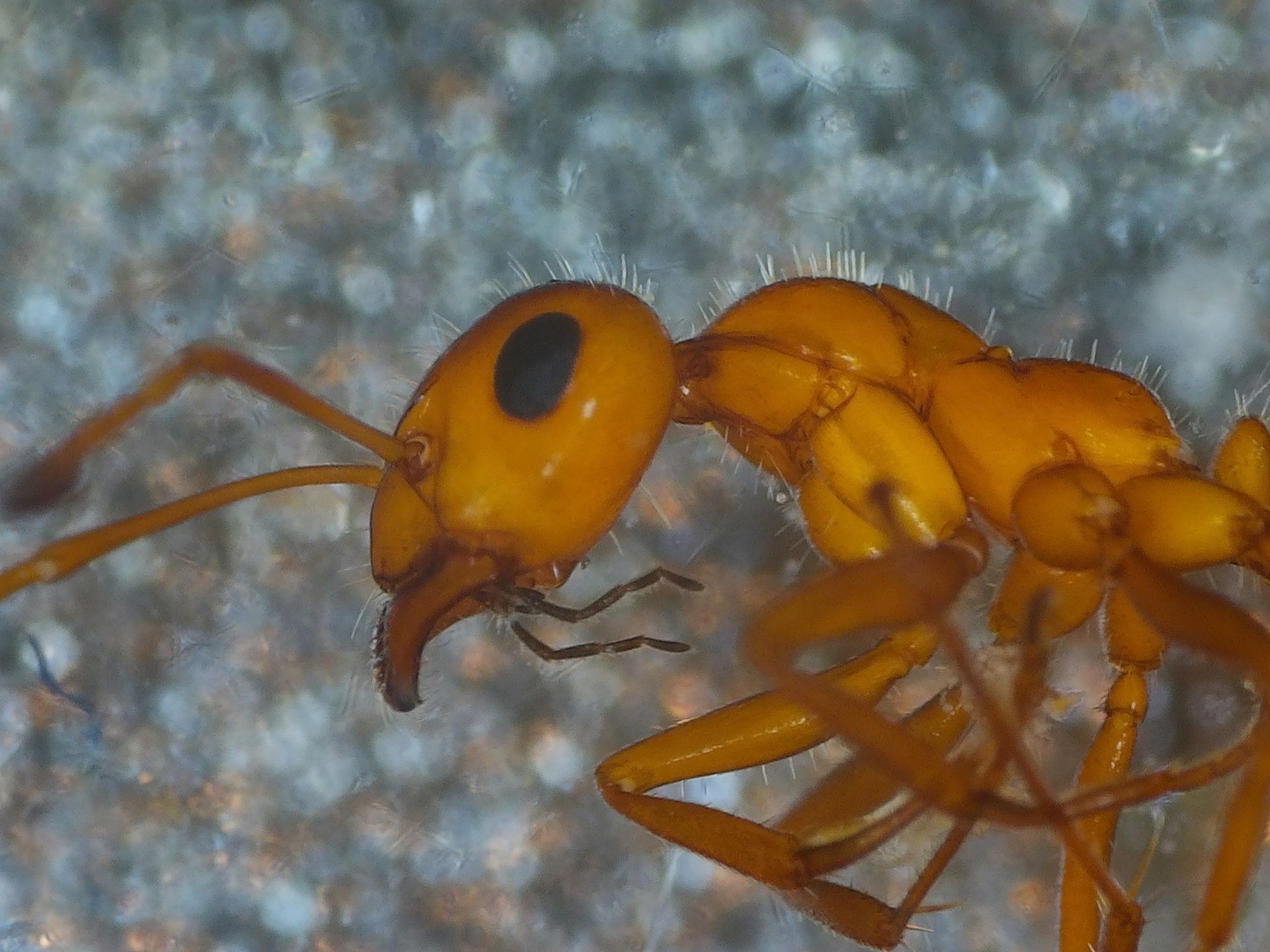
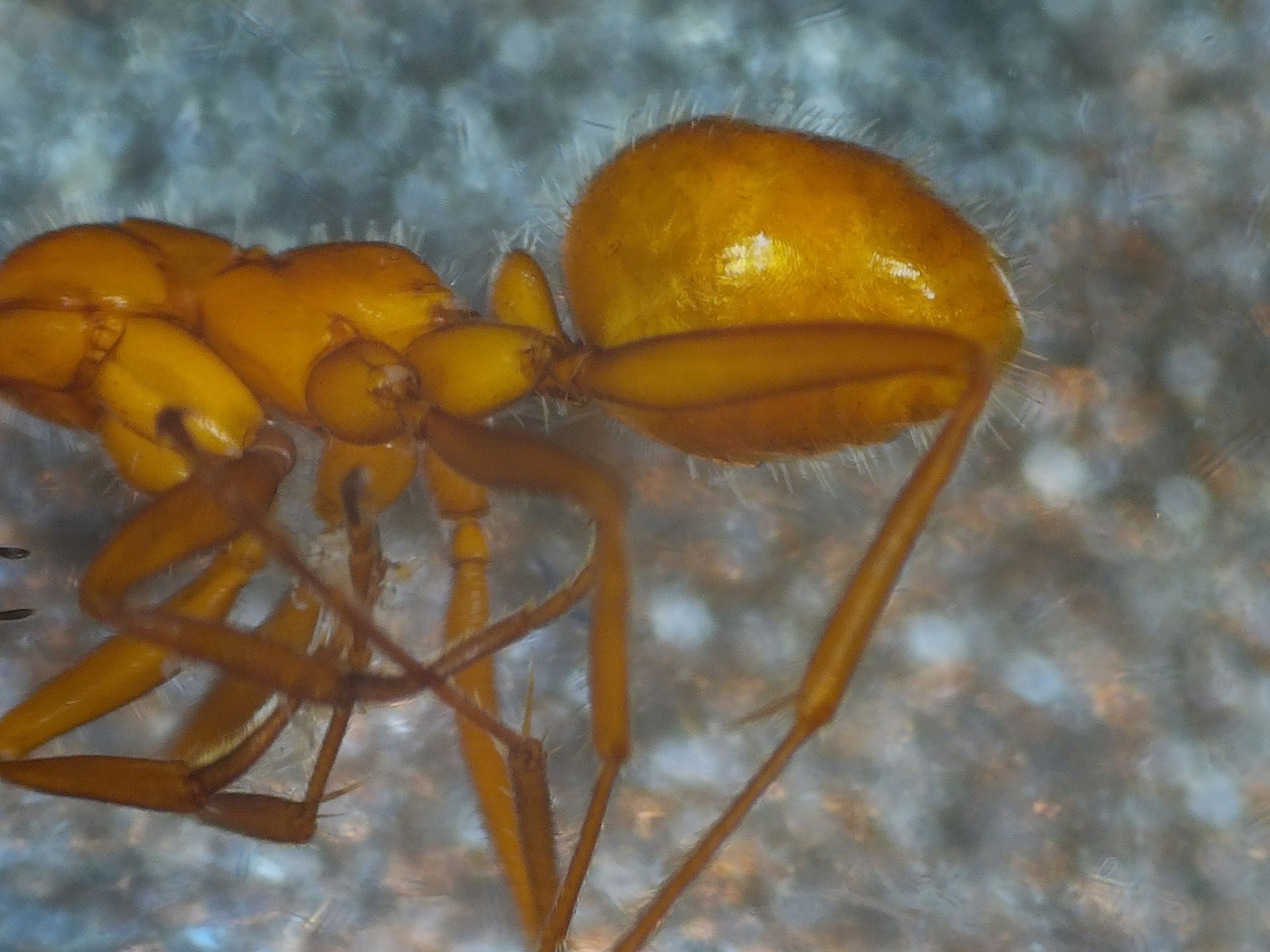
Formicini ants can be distinguished from other Formicinae tribes by a combination of morphological characters including a well-developed sting apparatus with a functional sting (unlike some related groups), and specific mandibular and clypeal configurations. Within the tribe, show considerable variation: Polyergus are characterized by sickle-shaped adapted for combat during slave raids; Rossomyrmex possess distinctive broad, ; Cataglyphis species typically exhibit elongated legs and are often thermophilic with specialized heat adaptations. Formica species display diverse color patterns from black to red-and-black bicolored forms.
Images
Habitat
vary substantially among constituent . Cataglyphis are characteristic of arid and semi-arid environments, including steppes, deserts, and dry grasslands, often nesting in open, sun-exposed soils. Formica species occupy diverse temperate habitats including forests, meadows, and wetlands, with many species building conspicuous mound nests. Polyergus and Rossomyrmex are dependent on species and occur in habitats where their Proformica or Formica hosts are established, including grasslands and open woodlands. Iberoformica is restricted to mountainous regions of the Iberian Peninsula.
Distribution
Primarily distributed across the Northern Hemisphere. Formica has a Holarctic distribution spanning North America and Eurasia. Cataglyphis occurs across the Palaearctic region, from western Europe through Central Asia. Polyergus contains 3 Palaearctic and 11 Nearctic . Rossomyrmex is distributed in Central Asia and the Caucasus region. Proformica occurs in the Palaearctic, particularly in steppe and semi-desert zones. Iberoformica is to the Iberian Peninsula. The extinct †Asymphylomyrmex, †Cataglyphoides, †Conoformica, †Glaphyromyrmex, and †Protoformica are known from fossil deposits.
Seasonality
Activity patterns vary by and climate. Temperate such as most Formica are active primarily during spring through autumn, with winter . Cataglyphis species in hot deserts exhibit thermoregulatory foraging , often restricting activity to cooler periods of day or specific temperature windows. Polyergus slave raids typically occur during mid-summer when colonies contain abundant . Specific seasonal timing varies with latitude and local climate conditions.
Host Associations
Behavior
Dulotic social (slave-making) has been documented in Polyergus and Rossomyrmex. Polyergus conduct organized raids on Formica nests, using chemical camouflage and combat to capture pupae, which upon serve as workers in the colony. Rossomyrmex exhibits similar slave-raiding against Proformica hosts. Formica display diverse colony founding strategies including independent colony founding, temporary social parasitism, and in some cases facultative . Cataglyphis species are noted for individual foraging and path integration navigation using visual landmarks.
Ecological Role
As components of many temperate and arid , Formicini ants function as ecosystem engineers through soil modification and nutrient cycling. Formica mound-building alter soil structure and microclimate. As and scavengers, they regulate of other arthropods. The slave-making species Polyergus and Rossomyrmex represent extreme examples of social , exerting population-level effects on species. Seed by some species contributes to plant dynamics.
Human Relevance
Formica have been extensively studied as model organisms for social insect , chemical communication, and behavioral . Some Formica species are considered beneficial in forestry and agriculture for on pest insects. Cataglyphis has served as a key model for studying insect navigation and visual orientation. No significant negative economic impacts are documented for the tribe as a whole, though localized conflicts with human interests may occur with specific species.
Similar Taxa
- CamponotiniBoth tribes belong to Formicinae and share general body plan, but Camponotini (carpenter ants) typically have a single petiolar node, often possess a metapleural gland opening directed posteriorly, and lack the well-developed sting apparatus characteristic of Formicini. Camponotini also exhibit different ecological strategies, primarily nesting in wood rather than soil.
- LasiiniAnother Formicinae tribe with overlapping distribution, but Lasiini generally have reduced or modified sting structures, different mandibular , and often exhibit more specialized nesting habits such as arboreal or thatch-mound construction not typical of most Formicini.
More Details
Phylogenetic relationships
Molecular phylogenetic studies indicate that the slave-making Polyergus and Rossomyrmex are not sister , suggesting that dulotic social evolved independently within Formicini. Rossomyrmex is more closely related to Proformica (its ) than to Polyergus, indicating host- and possible emancipation of the parasite lineage.
Fossil record
The tribe is represented by five extinct from Eocene and Oligocene deposits: †Asymphylomyrmex, †Cataglyphoides, †Conoformica, †Glaphyromyrmex, and †Protoformica, indicating substantial Cenozoic diversity now lost.
Sources and further reading
- BugGuide
- Wikipedia
- iNaturalist taxon
- NCBI Taxonomy
- Catalogue of Life
- Global revision of the dulotic ant genus Polyergus (Hymenoptera: Formicidae, Formicinae, Formicini)
- Phylogenetic relationships between the slave-making antsRossomyrmexand theirProformicahosts in relation to other genera of the ant tribe Formicini (Hymenoptera: Formicidae)