
Gilpinia frutetorum
(Fabricius, 1793)
Nursery Pine Sawfly
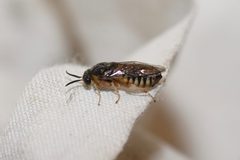
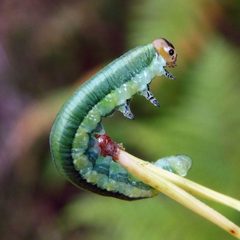
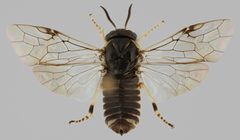
Gilpinia frutetorum is a European in the Diprionidae , belonging to the G. socia group. The species was first described by Fabricius in 1793. Ovipositor has been described and illustrated in recent taxonomic work comparing European and Japanese Gilpinia species.
Pronunciation
How to pronounce Gilpinia frutetorum: /ɡɪlˈpɪniə fruːtɛˈtɔrəm/
These audio files are automatically generated. While they are not always 100% accurate, they are a good starting point.
Identification
Belongs to the G. socia group of European Gilpinia. The ovipositor has been described and figured for the first time in comparative studies with other group members including G. abieticola, G. laricis, G. socia, and G. variegata. Specific diagnostic features require examination of genitalic .
Images
Distribution
Europe; recorded from Denmark, Norway, and Bulgaria. Introduced reported in Canada (Ontario, Quebec).
Human Relevance
Known as the Nursery Pine , suggesting association with managed conifer plantings or nursery stock.
Similar Taxa
- Gilpinia laricisBoth belong to the G. socia group and share similar ovipositor ; distinguished by specific structural features of the ovipositor and male genitalia.
- Gilpinia variegataEuropean in the same group; ovipositor figured in the same comparative study for the first time.
- Gilpinia sociaType of the G. socia group; closely related European species requiring genitalic examination for reliable separation.
- Gilpinia abieticolaEuropean group member with described ovipositor ; comparative figures available for distinction.
More Details
Taxonomic history
Originally described by Fabricius in 1793. The was included in a 2021 revision of Japanese and European Gilpinia species, where its ovipositor was figured for the first time alongside four other European .