
Crossocerus elongatulus
(Vander Linden, 1829)
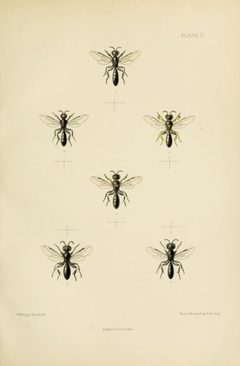
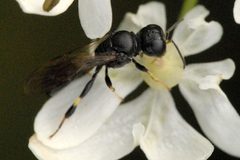
Crossocerus elongatulus is a solitary in the Crabronidae, native to the Palearctic region. It has been introduced to the Azores and North America. The belongs to a of -hunting wasps, though specific prey records for this species are limited. Like other Crossocerus species, females construct nests in pre-existing cavities and provision them with paralyzed prey for their larvae.
Pronunciation
How to pronounce Crossocerus elongatulus: /ˌkrɔs.oʊˈsɛr.əs iːˌlɒŋˈɡæt.jʊ.ləs/
These audio files are automatically generated. While they are not always 100% accurate, they are a good starting point.
Identification
Specific diagnostic features distinguishing C. elongatulus from are not well documented in available sources. The name 'elongatulus' suggests an elongated body form relative to related species. Identification to species level within Crossocerus generally requires examination of male genitalia and detailed facial patterns. Specimens should be compared with verified material or keys.
Images
Distribution
Native to the Palearctic region, including Europe and Northern Asia (excluding China). Introduced to the Azores (records from Faial and São Miguel) and North America.
Similar Taxa
- Crossocerus cetratusOverlapping Palearctic distribution and similar size; requires examination of propodeal and clypeal shape for separation
- Crossocerus megacephalusLarger relative to body distinguishes C. megacephalus from the more elongate C. elongatulus
- Crossocerus palmipesSimilar European range; tarsal and wing venation characters used to separate
More Details
Nomenclature
Originally described as Crabro elongatulus by Vander Linden in 1829, later transferred to Crossocerus. The Crossocerus currently contains approximately 150 worldwide.
Introduction records
The Azorean and North American records represent anthropogenic introductions, likely through maritime transport. The appears established in these regions based on multiple collection records.