
Esagonatopus
Olmi, 1984
Species Guides
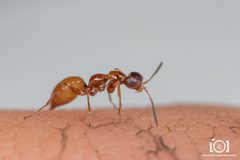
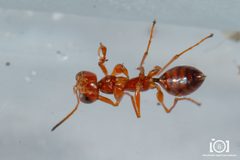
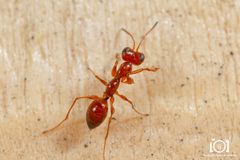
1Esagonatopus is a of dryinid ( Dryinidae) established by Olmi in 1984. It belongs to the Anteoninae, a group of small wasps that target Hemiptera, particularly planthoppers and leafhoppers. The genus is characterized by distinctive morphological features in the forewing venation and chela structure. It is among the less commonly encountered dryinid genera, with limited published biological data.
Pronunciation
How to pronounce Esagonatopus: /ˌesəɡəˈneɪtəpɔs/
These audio files are automatically generated. While they are not always 100% accurate, they are a good starting point.
Identification
Members of Esagonatopus can be distinguished from other Anteoninae by forewing venation patterns, particularly the arrangement of in the discoidal and radial areas. The chela ( foreleg) structure differs from the type genus Anteon in details of claw and tooth . Specific diagnostic characters require microscopic examination of cleared specimens and comparison with type material. The genus is most readily separated from the related genus Deinodryinus by differences in the forewing areolet configuration.
Images
Distribution
Records of Esagonatopus are sparse and scattered. The has been documented from the Afrotropical region, with some reports from Madagascar and mainland African localities. The limited number of observations (16 records on iNaturalist) suggests either genuine rarity or undercollection due to small size and specialized requirements. Precise distribution boundaries remain undefined due to insufficient sampling.
Ecological Role
As with other Dryinidae, in this likely function as of Hemiptera, particularly Fulgoroidea (planthoppers). The larvae develop externally on the , eventually killing the host. This parasitoid relationship may contribute to of planthopper species in their native .
Similar Taxa
- AnteonType of Anteoninae; Esagonatopus differs in forewing venation and chela structure, though superficially similar in body form and size.
- DeinodryinusAnother Anteoninae with overlapping distribution; distinguished from Esagonatopus by forewing areolet configuration and male genitalia structure.
- LonchodryinusRelated in same ; differs in details of the notauli and propodeal .
More Details
Taxonomic History
The was erected by Italian hymenopterist Massimo Olmi in 1984 during his comprehensive revision of world Dryinidae. The name derives from Greek roots, with 'esa-' (six) and 'gonatopus' (knee-foot), likely referring to leg segmentation characteristics. The type and number of included species require verification against current literature, as dryinid has undergone substantial revision since the original description.
Collection Challenges
Like many small , Esagonatopus are rarely collected using standard insect sampling methods. They are most effectively sampled by sweeping vegetation in supporting abundant planthopper , or through rearing from collected specimens. The low observation count on citizen science platforms reflects these methodological challenges rather than necessarily indicating extreme rarity.