Torymus bedeguaris
(Linnaeus, 1758)
Torymus bedeguaris is a of in the Torymidae. It is known to parasitize gall-forming insects, particularly psyllids and cynipid wasps that induce plant galls. The species has been recorded in Canada across multiple provinces including Alberta, British Columbia, Manitoba, and New Brunswick. Like other Torymus species, it develops within galls and emerges by chewing through the gall tissue.
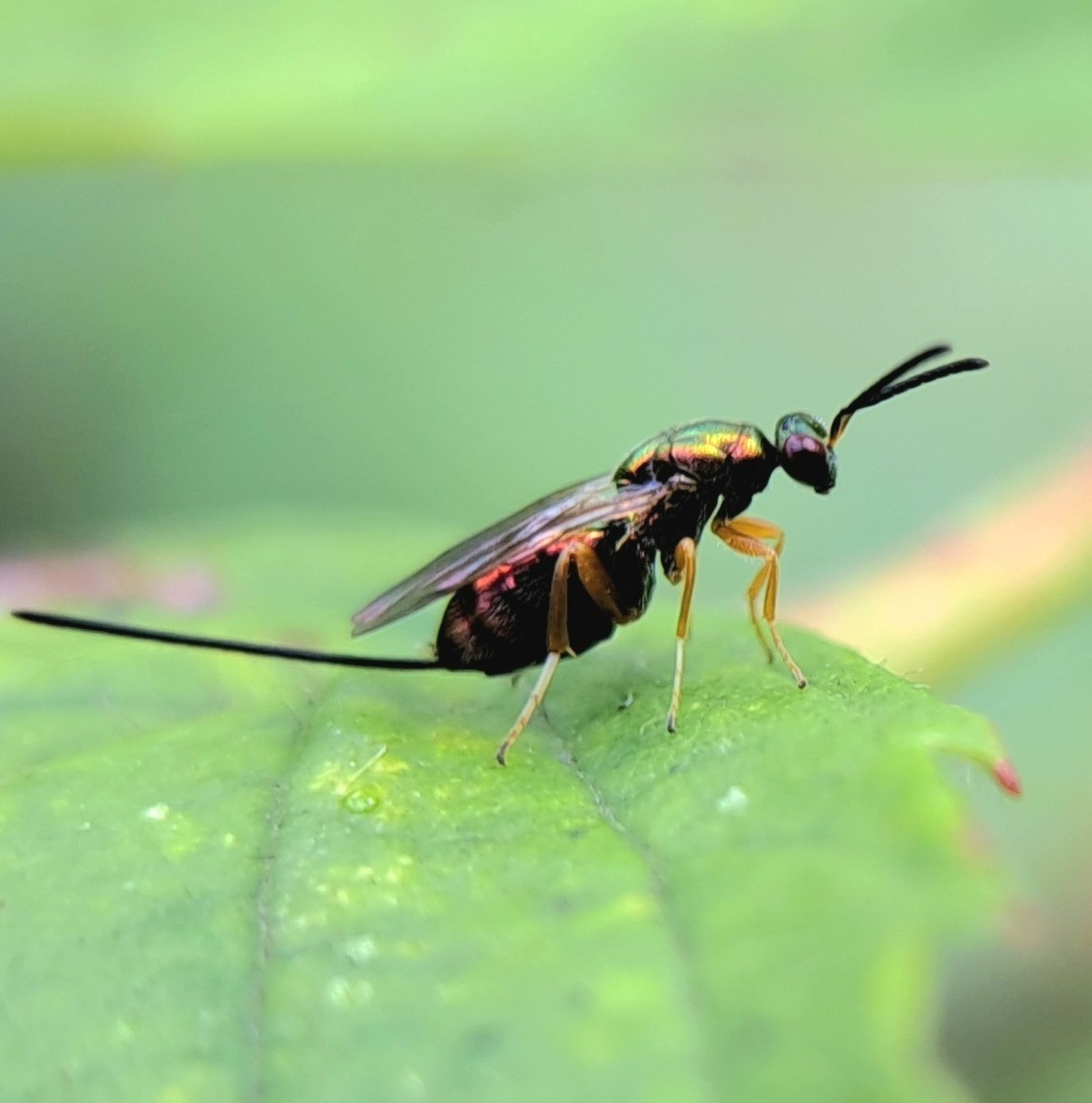
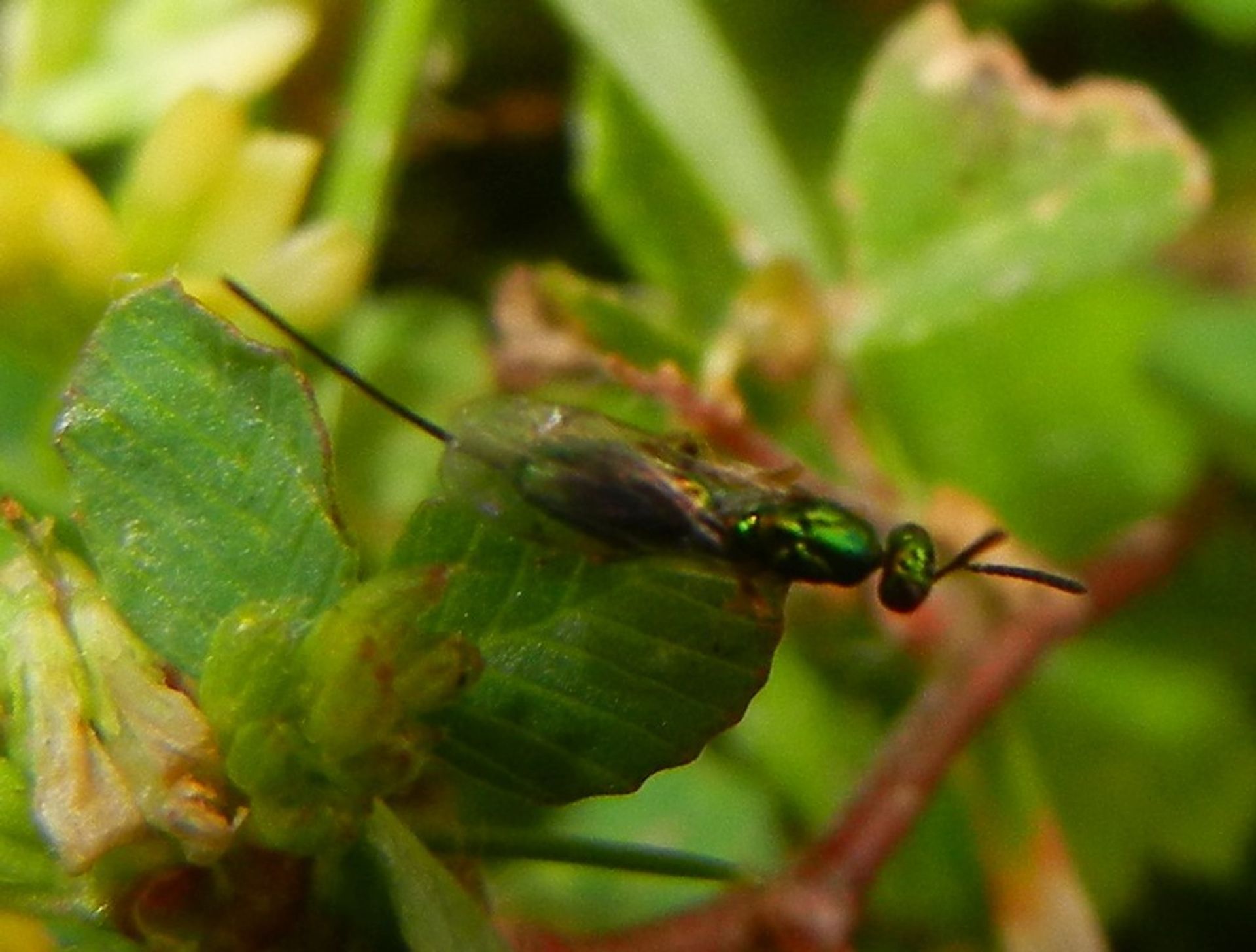
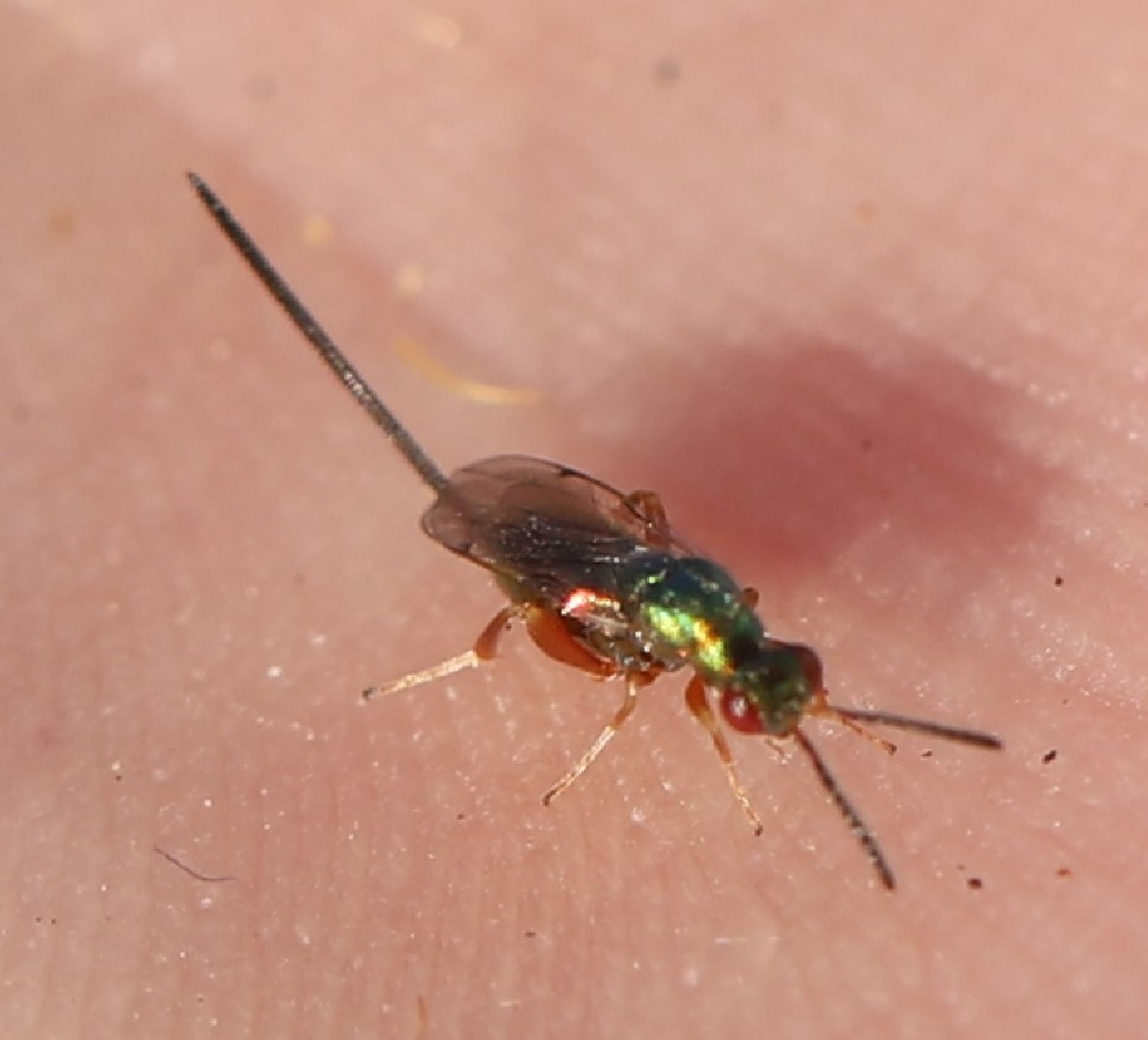
Pronunciation
How to pronounce Torymus bedeguaris: /ˈtɔr.i.məs bɛˈdɛɡ.wa.rɪs/
These audio files are automatically generated. While they are not always 100% accurate, they are a good starting point.
Images
Habitat
Associated with plant galls induced by insects, particularly on hackberry (Celtis) and oak (Quercus) trees. The develops inside these galls, which provide shelter and food resources.
Distribution
Canada: Alberta, British Columbia, Manitoba, New Brunswick. Distribution records suggest a North American range, though specific details beyond Canadian provinces are not documented in available sources.
Diet
; larval stages feed on gall-forming insects. Documented hosts include psyllids (Pachypsylla spp.) and cynipid (Andricus quercuscalifornicus).
Host Associations
- Pachypsylla celtidismama - Parasitizes nymphs within hackberry nipple galls
- Andricus quercuscalifornicus - Associated with oak apple galls; specifically linked to smaller galls developing late in summer
Life Cycle
Develops as a within plant galls. Larvae feed on the gall-inducing insect. emerge by chewing an exit hole through the gall tissue. The has been observed to have a longer period and within the gall compared to the gall-inducer.
Behavior
females seek out galls containing suitable insects. The exhibits phenological association with gall development, with some observations indicating preference for galls of particular sizes and seasonal timing.
Ecological Role
Acts as a agent of gall-forming insects. Part of the complex associated with cynipid and galls. Contributes to regulation of gall-inducer .
Human Relevance
No direct economic or medical significance to humans. Indirectly relevant as a natural enemy of psyllids, which can occasionally be nuisance pests when aggregate on buildings.
Similar Taxa
- Torymus californicusSame ; also parasitizes oak apple galls. Distinguished by association with smaller, late-season galls and geographic distribution in California.
- Psyllaephagus spp.Different (Encyrtidae) but similar ecological role as of psyllids. Distinguished by family-level characteristics and presumably morphological features of .
- Baryscapus gigasDifferent (Eulophidae) but common of same gall systems. Distinguished by family affiliation and abundance patterns in late-summer galls.
More Details
Gall Size Association
Research on oak apple gall indicates that Torymus bedeguaris and related show trait-mediated associations with galls, with different species utilizing galls with slight differences in size and .
Taxonomic Note
The was originally described by Linnaeus in 1758, indicating long recognition in entomological literature. Modern records confirm its persistence in North American gall-associated .