
Cosmocomoidea ashmeadi
(Girault, 1915)
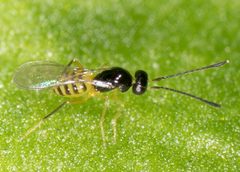
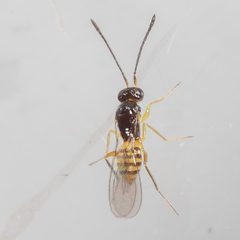
Cosmocomoidea ashmeadi is a of fairyfly in the Mymaridae, described by Girault in 1915. The Cosmocomoidea was established to accommodate species previously placed in other mymarid genera. Members of this genus are , typically attacking eggs of Hemiptera. The species is part of a group of minute that are important agents in various agricultural systems.
Pronunciation
How to pronounce Cosmocomoidea ashmeadi: /kˌɒzməkoʊmɔɪˈdiːə æʃˈmiːdaɪ/
These audio files are automatically generated. While they are not always 100% accurate, they are a good starting point.
Images
Diet
; has been observed attacking eggs of Hemiptera, including leafhoppers and planthoppers.
Host Associations
- Hemiptera - Specific records for C. ashmeadi are limited; congeneric attack of various Hemiptera including Cicadellidae and Delphacidae.
Ecological Role
agent; contributes to regulation of hemipteran through .
Human Relevance
Potential value in programs targeting pest leafhoppers and planthoppers in agricultural systems, though specific applications for C. ashmeadi have not been documented.
Similar Taxa
- CosmocomoideaOther in the Cosmocomoidea share similar and as of Hemiptera; identification to species level requires examination of microscopic characters.
- AnagrusBoth are Mymaridae with similar size and general habitus; Cosmocomoidea differs in wing venation and antennal structure.
More Details
Taxonomic History
Originally described in a different and later transferred to Cosmocomoidea following revisionary work on the Mymaridae. The genus was reviewed by Triapitsyn and colleagues in their work on Chinese Mymaridae.
Research Context
The is included in the Entomology Research Museum collections at University of California, Riverside, and has been referenced in taxonomic studies of Mymaridae, particularly in the context of faunistic surveys and research on of Auchenorrhyncha.