
Tenuipetiolus
Bugbee, 1951
Species Guides
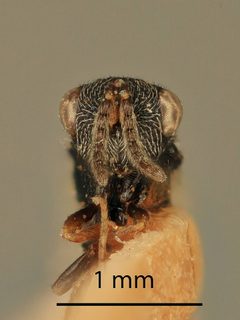
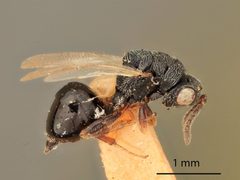
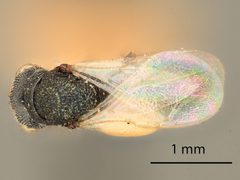
1Tenuipetiolus is a of chalcidoid wasps in the Eurytomidae, established by Bugbee in 1951. The genus belongs to the Eurytominae and is characterized by a notably slender petiole, as indicated by its name. Members of this genus are , though specific associations remain poorly documented. The genus is rarely encountered in collections and has received limited taxonomic study.
Pronunciation
How to pronounce Tenuipetiolus: /ˌtɛnjuˌɪpɛtiˈoʊləs/
These audio files are automatically generated. While they are not always 100% accurate, they are a good starting point.
Identification
Distinguished from other Eurytomidae by the exceptionally slender petiole (the 'thin stalk' referenced in the name). Differs from related genera such as Eurytoma by the more pronounced constriction between and . Antennal segment count and precise petiole proportions may require microscopic examination for definitive identification.
Images
Appearance
Small chalcidoid wasps with a distinctly slender, elongated petiole connecting the mesosoma and metasoma. Body compact with reduced wing venation typical of Eurytomidae. with relatively few segments. Coloration generally dark, sometimes with metallic reflections.
Distribution
Distribution records are sparse; known from North America based on limited collection data. Precise range boundaries are undefined due to rarity in collections and under-sampling.
Ecological Role
As members of Eurytomidae, in this likely function as of other insects, though specific relationships have not been documented.
Human Relevance
No known economic or medical significance. Occasionally encountered in ecological surveys and biodiversity inventories.
Similar Taxa
- EurytomaSimilar body plan and size, but Eurytoma has a shorter, thicker petiole and generally more robust overall build.
- BruchophagusAnother eurytomine with compact body form, but Bruchophagus lacks the pronounced slender petiole characteristic of Tenuipetiolus.
More Details
Taxonomic history
The was erected by Bugbee in 1951 based on distinctive petiole . It has remained a small genus with few described , reflecting both genuine rarity and possible undersampling of minute chalcidoid fauna.
Collection challenges
Members of this are minute (likely under 5mm) that are easily overlooked in standard insect surveys. Specialized collecting methods such as yellow pan traps and in appropriate may improve detection rates.