
Isosomodes
Ashmead, 1888
Isosomodes is a of chalcidoid wasps in the Eurytomidae, first described by Ashmead in 1888. The genus is part of the diverse Eurytominae , whose members are primarily associated with plants as seed feeders or gall formers. Records indicate presence in the Americas, with documented occurrences in Venezuela, Colombia, and the United States. The genus remains poorly studied, with limited -level documentation and biological data available.
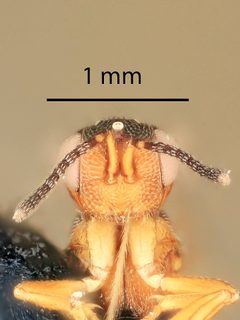
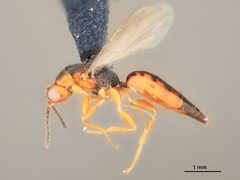
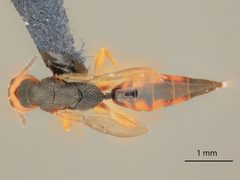
Pronunciation
How to pronounce Isosomodes: /aɪsoʊˈsɒmoʊˌdiːz/
These audio files are automatically generated. While they are not always 100% accurate, they are a good starting point.
Identification
Members of Isosomodes can be distinguished from other Eurytomidae by features of the genus-level , though specific diagnostic characters are not well-documented in accessible literature. As with other Eurytomidae, are small (typically 1-5 mm), with reduced wing venation and a distinct petiole. Separation from closely related genera requires examination of microscopic characters including antennal segmentation, mesosomal , and ovipositor structure.
Images
Distribution
Recorded from Venezuela, Colombia, and the United States. The sparse occurrence records suggest either limited sampling effort or genuinely restricted distribution, with most records concentrated in northern South America.
Ecological Role
As Eurytomidae, members likely function as phytophagous insects associated with plant reproductive structures, potentially acting as seed or gall inducers on plants. The specific ecological role of Isosomodes has not been documented.
Similar Taxa
- EurytomaLargest and most diverse in Eurytomidae; Isosomodes may be distinguished by antennal and mesosomal characters, though specific differences require examination.
- BruchophagusAnother Eurytomidae with similar size and general habitus; differentiation relies on subtle morphological features of the and .
More Details
Taxonomic Status
The Isosomodes was established by William H. Ashmead in 1888. It has received limited taxonomic attention since its description, and the number of included , their identities, and validity remain uncertain. The genus is listed in major taxonomic databases but lacks comprehensive revisionary treatment.
Data Limitations
Only three iNaturalist observations are recorded for this , and GBIF holds sparse occurrence data. No -level treatments, biological studies, or records were found in major literature databases, reflecting the genus's obscurity in entomological research.