
Phlebopenes
Perty, 1833
Phlebopenes is a of in Eupelmidae. were historically hypothesised to parasitise wood-boring beetles, but recent evidence from rearing records and direct observation indicates they are parasitoids of solitary wasps and bees. Phlebopenes longicaudata has been documented attacking nests of oil-collecting bees in the genus Tetrapedia.
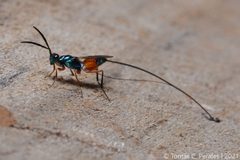
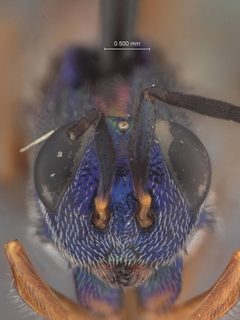
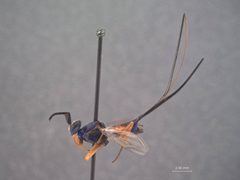
Pronunciation
How to pronounce Phlebopenes: //ˌflɛboʊˈpiːniːz//
These audio files are automatically generated. While they are not always 100% accurate, they are a good starting point.
Images
Distribution
São Paulo State, Brazil (documented for Phlebopenes longicaudata via trap nest records)
Host Associations
- Tetrapedia - oil-collecting bees (Apidae); nests parasitised by Phlebopenes longicaudata; supported by two rearing records and one oviposition observation from São Paulo State, Brazil
- solitary wasps and bees - hypothesised group for based on limited data (two rearing records + one published host record); previously hypothesised to be wood-boring Coleoptera
Behavior
Females oviposit in nests; lifestyle targeting stages of solitary bees
Ecological Role
of solitary bees and , regulating of
Misconceptions
Historically hypothesised to parasitise wood-boring Coleoptera; this hypothesis has been rejected based on new records from Hymenoptera
More Details
Taxonomic history
The was described by Perty in 1833. associations remained uncertain until recent rearing records clarified ecological relationships.
Research significance
This exemplifies how trap nest studies can revise long-standing hypotheses about ranges. The shift from hypothesised to confirmed parasitism demonstrates the importance of direct observation and rearing data.