
Brasema
Cameron, 1884
Species Guides
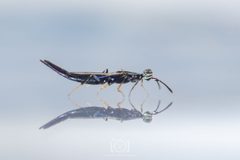
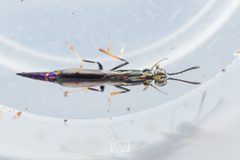
4Brasema is a of chalcid wasps in the Eupelmidae, first described by Cameron in 1884. in this genus are associated with oak gall wasps (Cynipidae: Cynipini) in North America. The genus includes at least eight species, with two new species described from Mexico in 2024. Brasema emerge from cynipid oak galls belonging to sections Quercus and Lobatae of the oak genus.
Pronunciation
How to pronounce Brasema: /brəˈseɪmə/
These audio files are automatically generated. While they are not always 100% accurate, they are a good starting point.
Images
Habitat
Associated with oak galls formed by cynipid on oaks (Quercus), specifically sections Quercus and Lobatae.
Distribution
North America, including the United States, Mexico, and Canada (British Columbia). Specific distributions vary: B. macrocarpae and B. speciosum occur in the USA and Mexico; B. flavovariegatum and B. gemmarii occur in the USA; B. mexicanum and B. obscurum are known from Mexico. Records also exist from Minas Gerais, Brazil.
Host Associations
- Cynipini (oak gall wasps) - emerges from cynipid oak galls
- Quercus (oak) - indirect plant of gall-forming cynipid
- Lobatae (red oaks) - indirect plant section of gall-forming cynipid
Life Cycle
emerge from cynipid oak galls. Development occurs within galls formed by oak gall wasps, though specific developmental stages and timing remain undocumented.
Ecological Role
of oak gall wasps (Cynipidae: Cynipini), contributing to of gall-forming insects on oaks.
More Details
Taxonomic gender
The gender of Brasema is treated as neuter rather than feminine, affecting epithet endings.
Phylogenetic research
A COI phylogenetic analysis including 7 sequences of two new Mexican plus 64 sequences from BOLD representing 21 morphospecies provided the first molecular for the .