Pseudleptomastix
Girault, 1915
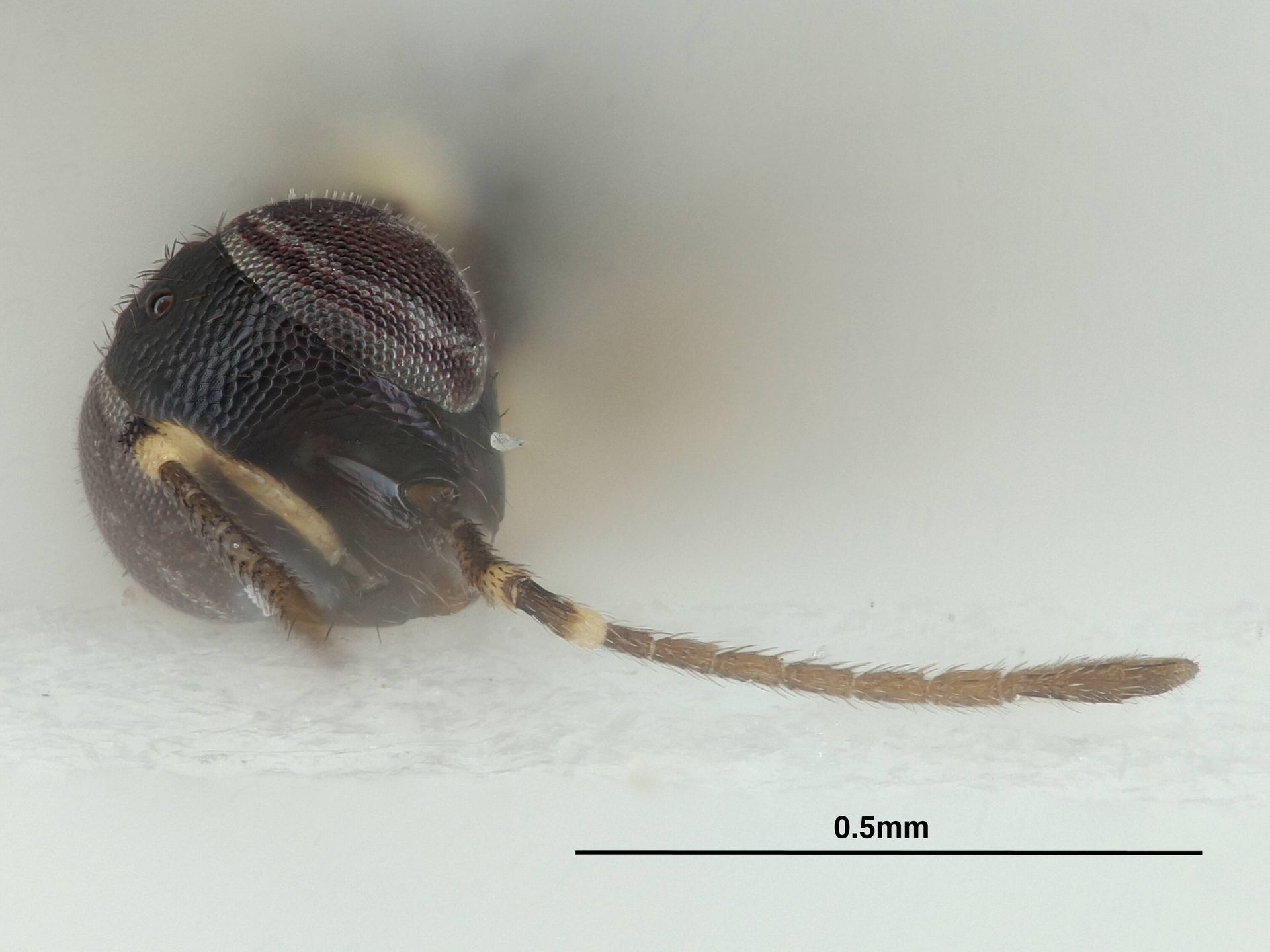
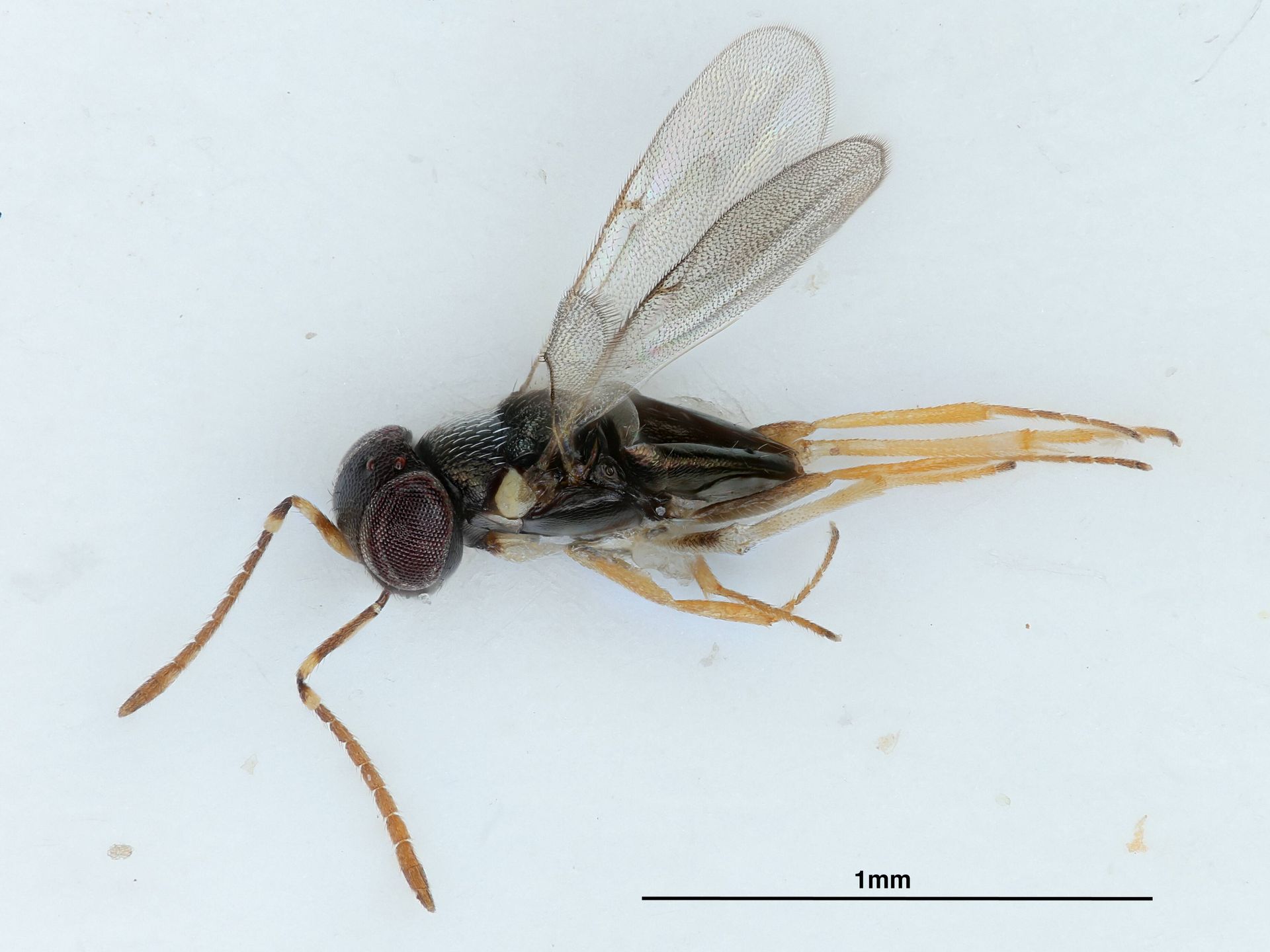
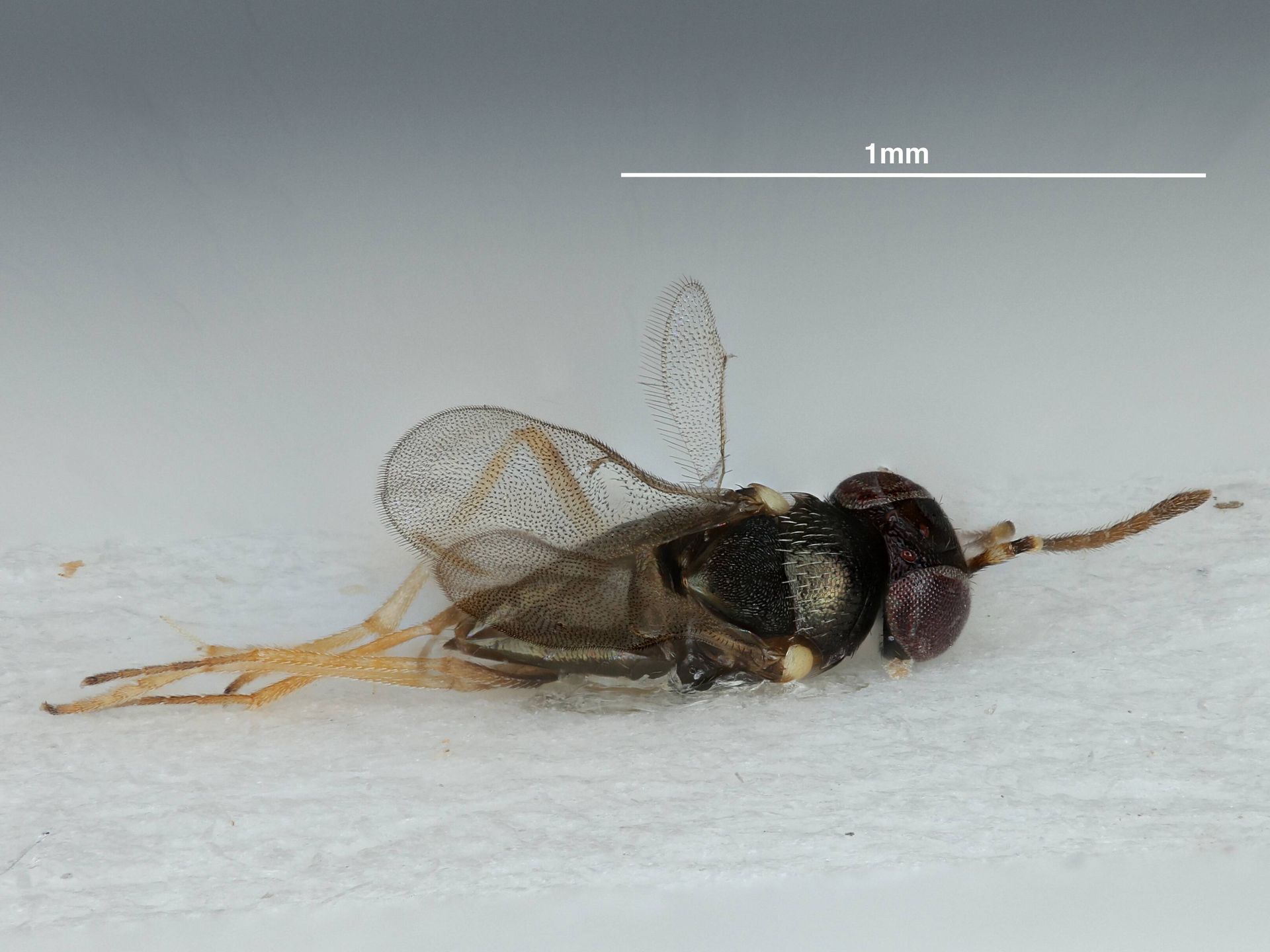
Pseudleptomastix is a of encyrtid in the Encyrtidae, Tetracneminae. The genus was described by Girault in 1915. At least one , P. mexicana, has been employed as a agent against the papaya mealybug (Paracoccus marginatus) in India and other regions. This genus belongs to a family known for endoparasitism of scale insects and .
Pronunciation
How to pronounce Pseudleptomastix: //ˌsuːd.lɛp.toʊˈmæs.tɪks//
These audio files are automatically generated. While they are not always 100% accurate, they are a good starting point.
Images
Distribution
The has been recorded in India (Tamil Nadu: Virudunagar and Tirunelveli districts) where P. mexicana was introduced as a agent. The type and other members likely originate from the Neotropical region based on the species epithet and introduction context for P. mexicana.
Host Associations
- Paracoccus marginatus - Papaya mealybug; P. mexicana introduced to India specifically for of this pest
Behavior
P. mexicana has been observed to establish and persist in field conditions for at least 6 months following release. rates increase gradually over time, with field recovery documented up to 6 months post-release. The showed moderate field activity compared to co-released , accounting for 9.3-24.4% of parasitization in mulberry agroecosystems.
Ecological Role
agent for mealybug pests in agricultural systems. In combination with other encyrtid (particularly Acerophagus papayae), contributed to near-elimination of papaya mealybug (96.6% reduction) in mulberry gardens in Tamil Nadu, India.
Human Relevance
Used in programs against the papaya mealybug (Paracoccus marginatus), an pest damaging papaya, cassava, mulberry, and other crops. P. mexicana was mass-reared from cultures and released at 200 individuals per location as part of efforts in India since 2010.
Similar Taxa
- LeptomastixSimilar name and both are encyrtid of ; distinguished by morphological characters established by Girault
- AcerophagusCo-occurring encyrtid used for same target; P. mexicana showed lower field activity (9.3-24.4% ) compared to A. papayae (75.6-81.7%) in Tamil Nadu evaluations
- AnagyrusAnother encyrtid used for mealybug ; P. mexicana outperformed A. loecki in field persistence in Indian evaluations
More Details
Taxonomic authority
described by Girault in 1915. The type and full species inventory for this genus require further verification from primary taxonomic literature.
Biological control evaluation
Field studies in Tamil Nadu, India showed P. mexicana ranked second in effectiveness among three introduced encyrtids, with superior persistence compared to Anagyrus loecki but lower proliferation than Acerophagus papayae. The maintained detectable field for at least 6 months post-release.
Sources and further reading
- BugGuide
- GBIF taxonomy match
- iNaturalist taxon
- NCBI Taxonomy
- Catalogue of Life
- Encyrtid Holdings | Entomology Research Museum
- Pseudleptomastix mexicana Archives - Entomology Today
- Why Augmentative Biological Control Holds Promise for Advancing Agriculture in Developing Countries
- EF FECTIVENESS OF THREE INTRODUCED ENCYR TID PARASITIC WASPS (ACEROPHAGUS PAPAYAE, ANAGYRUS LOECKI AND PSEUDLEPTOMASTIX MEXICANA) AGAINST PAPAYA MEALYBUG, PARACOCCUS MARGINATUS, INFESTING MULBERRY IN TAMIL NADU